Iran War Investments: 7 Smart Moves for Your Money
The ongoing geopolitical tension surrounding the Iran conflict has sent shockwaves through global financial markets. From falling stock prices to rising oil costs, many investors are now questioning how to protect their savings.
This Iran War Investments guide breaks down expert advice on what to do with your retirement accounts, 529 college savings plans, and stock portfolios during uncertain times.
Market Volatility Is Real—But Not a Collapse
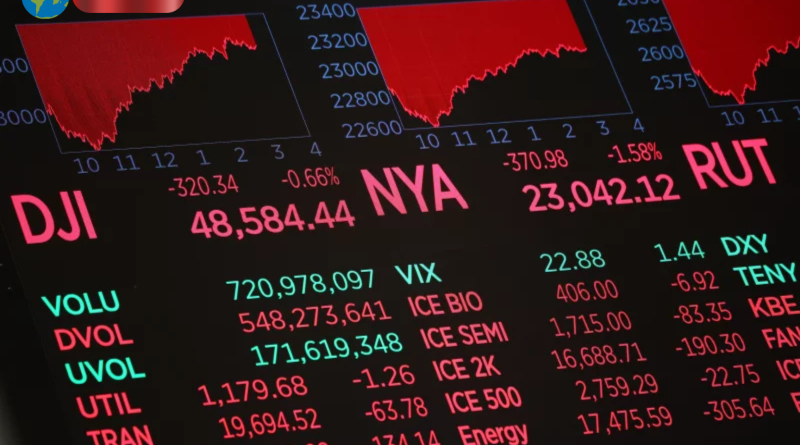
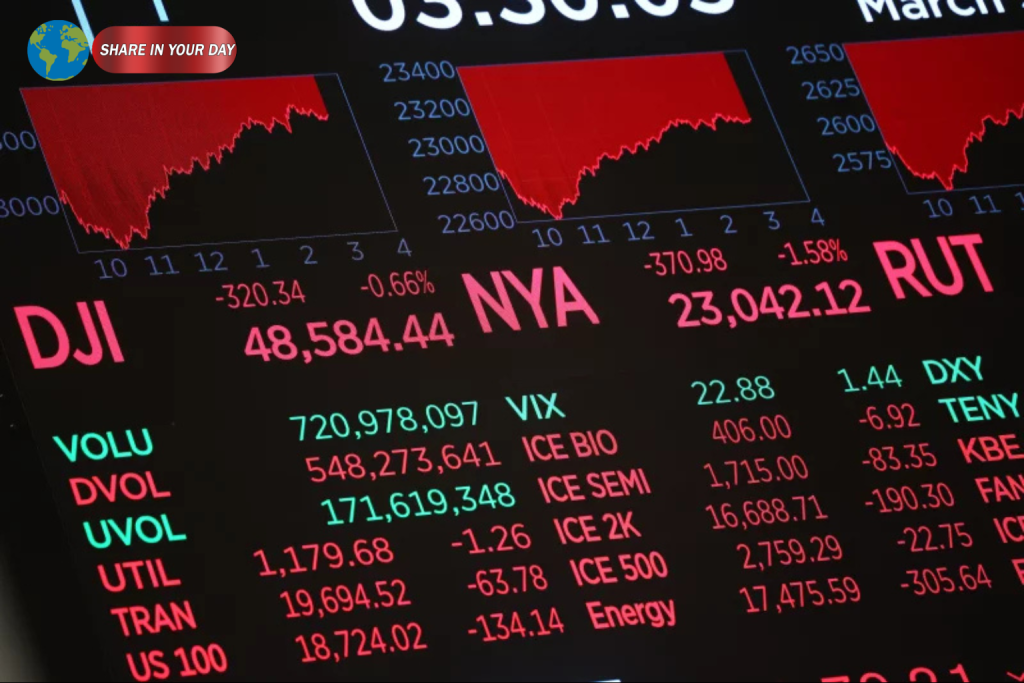
Since the conflict began, markets have experienced noticeable declines. The Dow Jones Industrial Average, for example, has dropped around 9% from its recent high.
However, experts emphasize that this is not a crash. A true bear market typically requires a 20% decline. Instead, what investors are seeing is a temporary reaction to geopolitical uncertainty.
Meanwhile, the broader economic impact of the conflict—especially disruptions in oil supply—has contributed to inflation fears and global volatility.
Why the Iran War Is Affecting Your Investments
The connection between war and markets is not new. The 2026 Iran conflict has triggered:
- Rising oil prices
- Increased inflation
- Supply chain disruptions
- Global uncertainty
These factors create short-term instability in stocks and retirement accounts.
However, history shows that markets often recover after geopolitical shocks, sometimes within months.
1. Don’t Panic—Stay the Course
The most important takeaway from this Iran War Investments analysis is simple: avoid emotional decisions.
Financial advisers consistently warn that panic selling is one of the biggest mistakes investors make during volatile periods.
Markets tend to rebound, and selling during a downturn locks in losses.
For long-term investors—especially those with 10+ years before retirement—the best strategy is often to do nothing.
2. Retirement Accounts Should Usually Stay Untouched
If you have a 401(k) or similar retirement plan, experts strongly recommend leaving it alone.
Selling investments during a downturn can significantly damage long-term growth. Instead:
- Continue contributing regularly
- Maintain your current investment strategy
- Focus on long-term goals
Even during major global events, markets have historically recovered and grown over time.
3. Adjust Strategy If You’re Near Retirement
The advice changes if you’re close to retirement.
Experts highlight a critical period known as the “fragile decade”—the years just before and after retirement. During this time, market losses can have a larger impact.
Recommended actions include:
- Increasing cash reserves
- Reducing stock exposure
- Avoiding large withdrawals during downturns
This helps protect your portfolio from sequence-of-returns risk.
4. 529 Plans Require Timing Awareness
College savings plans (529 plans) are also affected by market swings.
If your child is years away from college, short-term volatility is less concerning. However, if tuition payments are near:
- Consider shifting funds to safer investments
- Reduce exposure to stocks
- Protect funds from sudden drops
Experts suggest reviewing allocation carefully, especially during unstable periods.
5. Think Long-Term Like a Pro Investor
One expert compared smart investing during volatility to being like a logical, unemotional thinker.
That means:
- Avoid reacting to headlines
- Stick to a plan
- Focus on long-term growth
Historically, markets have recovered from crises such as wars, pandemics, and financial crashes.
Investors who stay disciplined often come out ahead.
6. Diversification Is More Important Than Ever
During uncertain times, diversification becomes critical.
Experts recommend spreading investments across:
- Stocks
- Bonds
- International markets
- Cash reserves
This reduces risk and helps stabilize portfolios during market swings.
7. Prepare for Economic Ripple Effects
The Iran conflict is not just a market story—it’s an economic one.
The war has disrupted global energy supplies, leading to inflation and slower growth in some regions.
For investors, this means:
- Expect continued volatility
- Plan for higher living costs
- Adjust budgets if necessary
In extreme cases, experts even suggest delaying retirement or reducing expenses to avoid selling investments at a loss.
Key Mistakes to Avoid
When dealing with Iran War Investments, avoid these common errors:
Panic Selling
Selling during a downturn locks in losses.
Overreacting to News
Markets move quickly, but long-term trends matter more.
Ignoring Your Timeline
Your strategy should depend on when you need the money.
Lack of Diversification
Putting all funds in one area increases risk.
What History Teaches Investors
Looking back at previous geopolitical conflicts, markets have shown resilience.
Even after major disruptions, recovery often follows—sometimes within months.
This reinforces a key principle:
👉 Time in the market is more important than timing the market.
Final Verdict
So, what should you do about your investments during the Iran conflict?
This Iran War Investments analysis points to a clear conclusion:
- Stay calm
- Stick to your plan
- Adjust only if your timeline requires it
For most investors, the best move is not a dramatic change—but disciplined consistency.
Conclusion
The Iran war has introduced uncertainty into global markets, but it has not changed the fundamentals of long-term investing.
Retirement accounts, 529 plans, and stock portfolios will all experience fluctuations. However, those who remain patient and strategic are most likely to succeed.
In times of crisis, smart investing is not about reacting—it’s about staying focused on the bigger picture.