Nike Sales Growth Gains Momentum as Strategy Pays Off
The Nike sales growth story is beginning to show signs of real progress as the company’s renewed focus on sports performance starts delivering measurable results. After several quarters of uneven performance, the world’s largest sportswear brand is seeing momentum build in key categories — particularly running and performance gear.
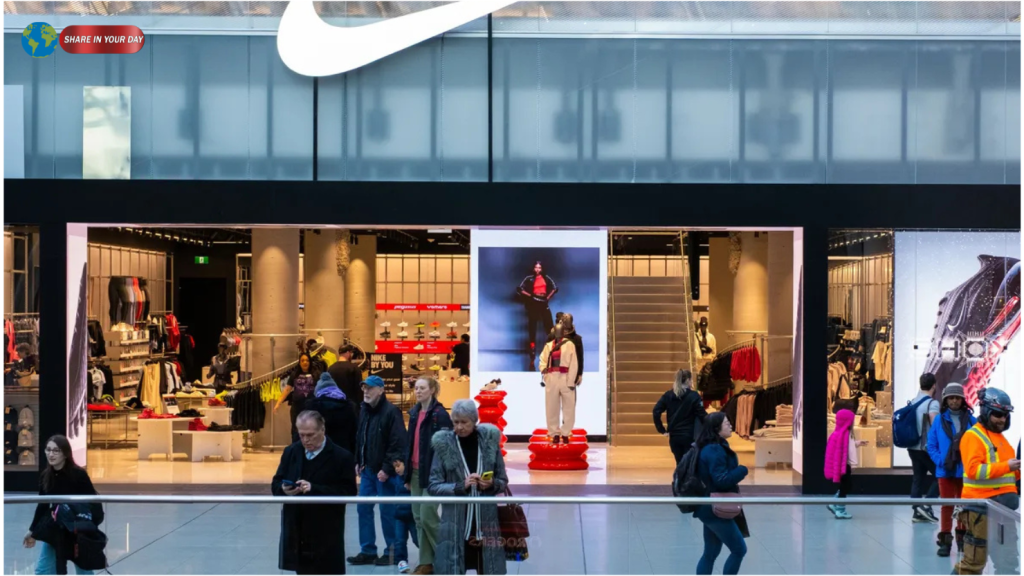
The latest financial results indicate that Nike’s turnaround strategy, centered on reconnecting with its athletic roots, is gaining traction. However, challenges remain across regions and product segments, highlighting that the recovery is still a work in progress.
A Turning Point for Nike’s Business Strategy
Nike has been undergoing a major transformation under CEO Elliott Hill, who introduced a “sports-first” approach aimed at revitalizing the brand.
This shift moves away from a lifestyle-heavy strategy and re-centers the company around core athletic categories such as:
- Running
- Basketball
- Training
The approach is part of Nike’s broader “Win Now” turnaround plan, designed to restore growth and strengthen its market position.
Recent data shows that this pivot is starting to pay off, with certain segments outperforming expectations.
Sales Performance Shows Early Signs of Recovery
Nike recently reported quarterly revenue of approximately $11.3 billion, slightly exceeding analyst expectations and signaling stabilization after a period of decline.
Although overall growth remains modest, the key takeaway is that Nike has stopped the downward trend and is now moving toward recovery.
Earlier in fiscal 2026, the company also recorded a small increase in sales, with revenue reaching about $11.7 billion in the first quarter — its first growth period in several quarters.
This gradual improvement suggests that Nike’s strategic adjustments are beginning to have a tangible impact.
Running Category Leads the Comeback
One of the strongest drivers of Nike sales growth has been the running category.
Nike has heavily invested in innovation, marketing, and product development in this segment, and the results are becoming clear. Running products have seen significant demand, helping offset weaker performance in other areas.
The company’s emphasis on performance-driven products aligns with broader consumer trends, where athletes and everyday consumers are increasingly seeking functional, high-quality gear.
Wholesale Strategy Delivers Strong Results
Another major factor contributing to Nike’s recovery is its renewed focus on wholesale partnerships.
After previously prioritizing direct-to-consumer sales, Nike is now rebuilding relationships with retail partners. This shift has resulted in stronger wholesale revenue growth, which has helped stabilize overall sales.
For example:
- Wholesale revenue increased significantly in recent quarters
- North America emerged as a key growth market
This balanced approach between direct sales and wholesale channels is proving to be more sustainable.
Challenges Continue in Key Markets
Despite positive momentum, Nike still faces several challenges that are slowing the pace of recovery.
1. Weak Performance in China
Sales in Greater China have declined sharply, reflecting broader economic pressures and changing consumer behavior.
2. Declining Digital Sales
Nike’s digital sales have dropped due to heavy discounting and promotional activity, which has impacted margins.
3. Inventory Management Issues
The company continues to deal with elevated inventory levels, requiring markdowns and careful stock management.
These factors highlight the uneven nature of Nike’s recovery, with some regions and segments performing better than others.
Why Nike’s Strategy Is Working
The Nike sales growth momentum can be attributed to several strategic decisions:
Focus on Core Sports
By prioritizing athletic performance over lifestyle branding, Nike is reconnecting with its original identity.
Product Innovation
New designs and technologies in running and training gear are attracting consumers.
Marketing Investment
Nike has increased spending on sports marketing, reinforcing its presence in key categories.
Channel Optimization
Balancing wholesale and direct-to-consumer sales has improved overall efficiency.
Market Reaction and Investor Sentiment
Investors have responded cautiously to Nike’s progress.
While the company has exceeded some expectations, concerns remain about the pace of recovery. Shares have experienced volatility, reflecting uncertainty about how quickly Nike can fully rebound.
Some analysts believe that the turnaround could take longer than initially expected, even as early signs of success emerge.
This mixed sentiment underscores the complexity of Nike’s transformation.
Competition and Industry Pressure
Nike’s recovery is also taking place in a highly competitive environment.
Rivals such as Adidas and Puma have been gaining ground in certain markets, particularly in lifestyle and fashion-driven segments.
At the same time, new entrants and niche brands are capturing consumer attention with innovative designs and targeted marketing.
This competitive pressure makes Nike’s strategic shift even more critical.
Long-Term Outlook for Nike
Despite short-term challenges, the long-term outlook for Nike remains positive.
The company continues to benefit from:
- Strong global brand recognition
- Extensive distribution networks
- Ongoing innovation in sportswear
Nike’s historical performance also demonstrates its resilience, with decades of growth and market leadership.
As the “Win Now” strategy progresses, the company is expected to build on its current momentum and return to stronger growth.
What This Means for the Sportswear Industry
Nike’s evolving strategy is likely to influence the broader sportswear market.
Shift Toward Performance
Other brands may follow Nike’s lead in emphasizing performance over lifestyle.
Increased Investment in Innovation
Companies are likely to invest more in product development to stay competitive.
Changing Retail Dynamics
The balance between direct sales and wholesale partnerships could reshape the industry.
Risks to Watch Moving Forward
While the outlook is improving, several risks remain:
- Economic uncertainty in key markets
- Continued weakness in China
- Margin pressure from discounting
- Supply chain and inventory challenges
These factors could impact Nike’s ability to sustain its growth trajectory.
Conclusion: A Comeback in Progress
The Nike sales growth story is far from complete, but the latest results suggest that the company is moving in the right direction.
By refocusing on sports, strengthening partnerships, and investing in innovation, Nike is laying the foundation for a long-term recovery.
However, the journey is not without obstacles. The company must navigate global challenges and maintain momentum across all segments to fully realize its comeback.
For now, one thing is clear: Nike’s strategy is starting to work — and the market is watching closely.