North Korea Backs Multipolar World: 5 Key Moves
The concept of a North Korea multipolar world strategy has gained renewed attention after leader Kim Jong Un publicly backed China’s vision of reshaping global power dynamics.
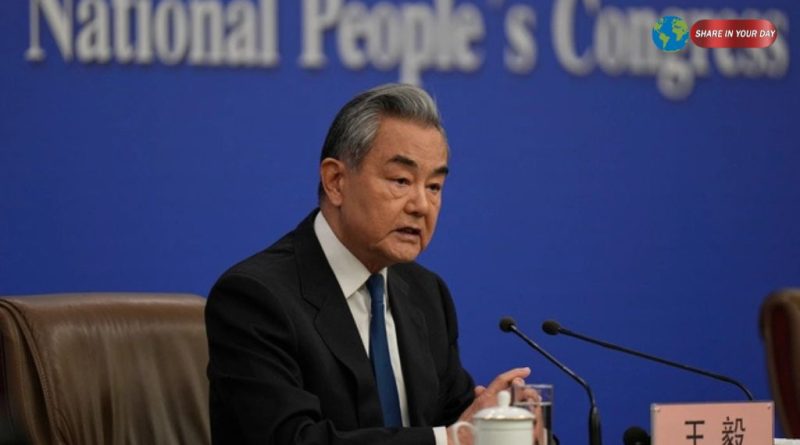
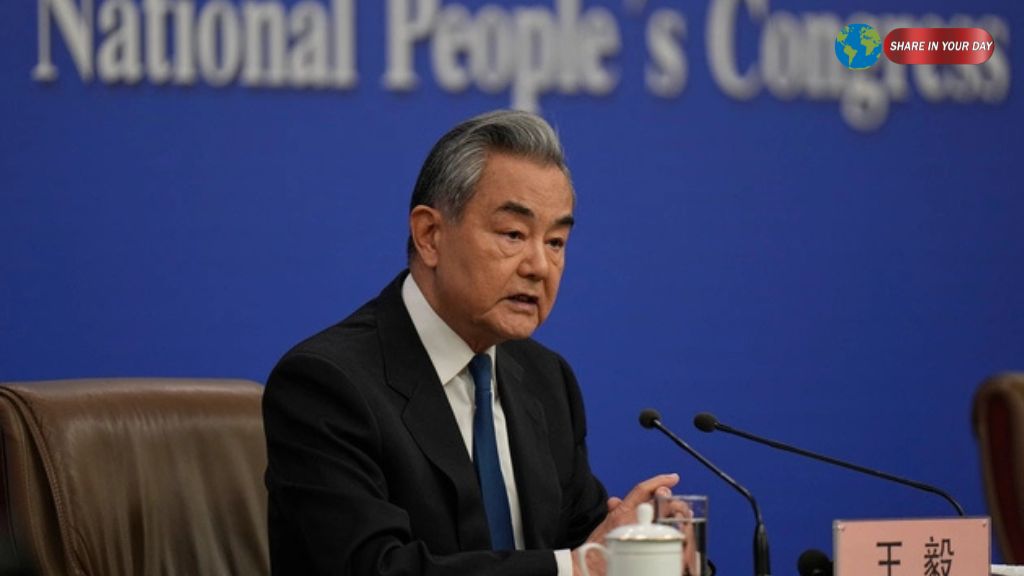
During a high-profile meeting with Wang Yi in Pyongyang, Kim signaled strong support for Beijing’s push toward a “multipolar world”—a system designed to reduce reliance on a U.S.-dominated global order.
The development marks a significant moment in international politics, reflecting deepening ties between North Korea and China while also highlighting broader geopolitical shifts underway in 2026.
1. Kim Jong Un Fully Endorses China’s Global Vision
At the center of the North Korea multipolar world narrative is Kim’s explicit endorsement of China’s strategic ambitions.
According to state media reports, Kim emphasized that Pyongyang would support Beijing’s efforts to build a “fair and just multipolar world,” aligning North Korea’s foreign policy closely with China’s global outlook.
This endorsement also included reaffirming support for China’s “One China” policy—an important diplomatic stance concerning Taiwan and Chinese sovereignty.
The move signals that North Korea is not only strengthening bilateral ties but also positioning itself within a broader coalition challenging Western influence.
2. Strategic Meeting With China’s Top Diplomat
The meeting between Kim and Wang Yi represents a major diplomatic milestone.
Wang’s visit to Pyongyang—his first in several years—underscored the renewed importance of China–North Korea relations. Both sides agreed to increase exchanges and deepen cooperation on regional and global issues.
Kim stressed the need for stronger coordination, while Wang highlighted the importance of maintaining communication in a rapidly changing geopolitical environment.
This high-level engagement reflects a shared interest in counterbalancing U.S. influence and navigating growing global tensions.
3. Strengthening China–North Korea Alliance
The North Korea multipolar world approach builds on a long-standing but evolving relationship between Beijing and Pyongyang.
China remains North Korea’s largest trading partner and most important economic ally, accounting for the majority of its imports and providing critical support during times of international isolation.
Historically rooted in ideological alignment and mutual security interests, the relationship has experienced fluctuations, particularly over North Korea’s nuclear program.
However, recent developments—including resumed trade, transportation links, and diplomatic visits—indicate a renewed effort to strengthen ties.
This growing alignment is a cornerstone of the broader push toward a multipolar global system.
4. A Clear Signal Against U.S.-Led Order
The endorsement of a multipolar world is widely interpreted as a direct challenge to the current U.S.-led international system.
China has long advocated for a global order in which power is distributed among multiple nations rather than dominated by a single superpower. North Korea’s support reinforces this narrative.
Analysts say the move reflects a broader trend of countries seeking alternatives to Western influence, particularly amid rising geopolitical tensions and economic competition.
The alignment between North Korea and China also comes at a time when Pyongyang has been strengthening ties with Russia, further consolidating a network of states that oppose U.S. dominance.
This emerging alignment could reshape alliances and influence global decision-making in the years ahead.
5. Timing Linked to Upcoming Global Diplomacy
The timing of Kim’s endorsement is particularly significant.
The meeting occurred ahead of a planned summit between the United States and China, where global issues—including trade, security, and regional conflicts—are expected to dominate discussions.
By publicly backing China’s vision, North Korea is positioning itself as a key player in these broader geopolitical dynamics.
The move may also be intended to strengthen China’s negotiating position while signaling Pyongyang’s strategic alignment ahead of potential diplomatic developments.
What Is a Multipolar World?
To fully understand the North Korea multipolar world strategy, it is important to define what a multipolar system entails.
In simple terms, a multipolar world is one in which multiple countries share power and influence, rather than a single dominant nation shaping global policies.
China has been a leading advocate of this concept, arguing that it promotes fairness, stability, and cooperation among nations.
Critics, however, warn that it could also lead to increased competition and fragmentation, especially if rival blocs emerge.
Growing Axis of Strategic Alignment
The deepening relationship between North Korea and China is part of a broader pattern of strategic alignment among countries seeking to counterbalance Western influence.
North Korea has recently strengthened ties with Russia, including military and economic cooperation, while maintaining close relations with China.
This evolving network reflects a shift toward alternative power centers in global politics, with implications for security, trade, and diplomacy.
Regional Implications in East Asia
The North Korea multipolar world stance also has significant implications for East Asia.
Countries such as South Korea and Japan—longtime U.S. allies—are closely watching developments, as they could affect regional stability and security dynamics.
North Korea’s continued pursuit of advanced weapons systems and its firm stance against denuclearization further complicate the situation.
Meanwhile, China’s growing influence in the region adds another layer of complexity, as nations navigate competing interests and alliances.
Global Impact and Future Outlook
The endorsement of a multipolar world by North Korea is more than just a diplomatic gesture—it reflects a broader transformation in global politics.
As alliances shift and new power centers emerge, the traditional balance of power is being redefined.
If the trend continues, the world could see a more fragmented but potentially more balanced international system.
However, the transition is unlikely to be smooth, with risks of increased tensions, competition, and conflict.
Conclusion
The North Korea multipolar world strategy marks a significant development in 2026’s geopolitical landscape.
By aligning closely with China’s vision, Kim Jong Un has signaled a clear shift toward a more coordinated effort to reshape global power structures.
While the long-term impact remains uncertain, one thing is clear: the world is entering a new phase of geopolitical competition—one that could redefine international relations for decades to come.