Strait of Hormuz Ships Passage Reopens Under Iran Conditions
The Strait of Hormuz ships passage has become one of the most critical global issues in 2026, as Iran signals it will allow “non-hostile” vessels to transit the strategic waterway under strict conditions. The move comes amid escalating tensions tied to the broader 2026 Iran conflict, which has already disrupted global trade and energy markets.
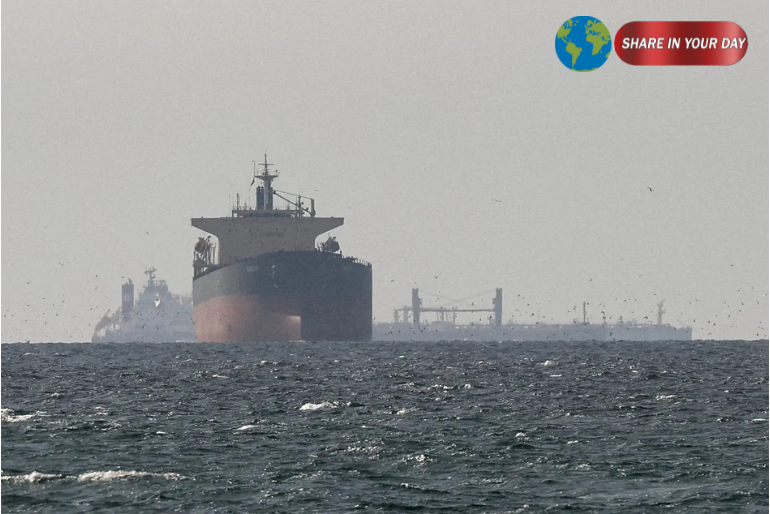
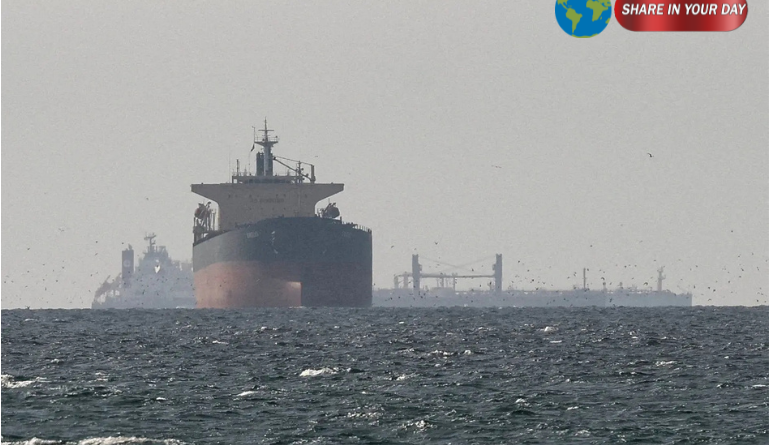
The narrow strait, a vital artery for global oil shipments, has effectively been shut down for weeks due to military activity, attacks on vessels, and mounting geopolitical risks. Now, Iran’s partial reopening raises new questions: who qualifies as “non-hostile,” and how stable is this fragile access?
Why the Strait of Hormuz Matters So Much
The Strait of Hormuz is one of the most important chokepoints in the world. Roughly 20% of global oil supply passes through this narrow corridor connecting the Persian Gulf to international waters.
Any disruption to this route immediately impacts global energy prices, shipping costs, and economic stability. In recent weeks, the situation has escalated dramatically:
- Shipping traffic dropped sharply, with some estimates showing near-total standstill
- Insurance costs surged due to war risks
- Multiple vessels were attacked or damaged
The result has been a ripple effect across global markets, with oil prices rising and supply chains under pressure.
Iran’s New Policy: “Non-Hostile” Ships Only
Iran has now clarified its position: ships can pass—but only if they are not considered hostile.
According to recent statements, vessels must:
- Avoid links to adversarial nations such as the United States or Israel
- Coordinate with Iranian authorities before entering the strait
- Refrain from any activity perceived as threatening
This conditional reopening marks a shift from earlier in the conflict, when Iranian forces warned that no ships would be allowed through at all.
However, the new policy still creates uncertainty. The definition of “non-hostile” remains politically sensitive and could change depending on the evolving conflict.
A Waterway Turned War Zone
The Strait of Hormuz ships passage crisis did not emerge overnight. It is the result of weeks of escalating military confrontation.
Since late February:
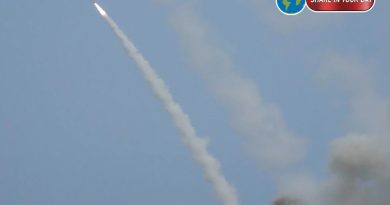
- Iran has launched drone and missile strikes on vessels
- At least 16 ships have been attacked in or near the strait
- Naval mines have reportedly been deployed
- Several crew members have been killed or injured
In response, shipping companies began avoiding the route altogether, effectively shutting down one of the world’s busiest maritime corridors.
Even when technically “open,” the strait has remained too dangerous for normal operations.
Global Energy Markets Feel the Shock
The impact of the crisis extends far beyond the Middle East. Energy markets worldwide have reacted sharply to disruptions in the Strait of Hormuz ships passage.
Key effects include:
- Rising oil prices due to supply uncertainty
- Concerns about fuel shortages in major economies
- Increased shipping costs due to insurance and rerouting
Experts warn that prolonged instability could lead to broader economic consequences, including inflation and slowed growth.
Meanwhile, countries heavily dependent on Gulf oil—particularly in Asia—are closely monitoring developments and exploring alternative supply routes.
Limited Exceptions Already Emerging
Despite the risks, some vessels have successfully navigated the strait under special conditions.
For example:
- Indian-flagged tankers were allowed to pass under escort
- Certain neutral or non-aligned ships have reportedly received clearance
These exceptions suggest that Iran is willing to selectively permit traffic, likely balancing economic interests with military strategy.
However, such passages remain rare and tightly controlled.
Military Tensions Continue to Rise
The partial reopening of the Strait of Hormuz ships passage does not signal peace. On the contrary, military activity in the region remains intense.
Recent developments include:
- Ongoing U.S. and allied operations aimed at reopening the waterway
- Iranian threats to retaliate against perceived aggression
- Reports of naval mines and drone attacks targeting shipping lanes
The situation remains volatile, with the potential for further escalation at any time.
In fact, the strait has become a central battleground in the broader conflict, symbolizing both economic leverage and strategic control.
A New Era of Maritime Risk
The crisis has fundamentally changed how the shipping industry views risk in the region.
Traditionally, the Strait of Hormuz was considered a high-traffic but manageable route. Today, it is seen as a high-risk conflict zone.
Shipping companies now face difficult decisions:
- Proceed and risk attack
- Delay shipments and incur financial losses
- Reroute around Africa, adding time and cost
Insurance premiums have skyrocketed, and some crews have refused assignments due to safety concerns.
This shift could have long-term implications for global trade patterns.
Diplomatic Efforts and Uncertain Outcomes
Behind the scenes, diplomatic efforts are underway to stabilize the situation and ensure safe passage through the strait.
Several countries and international organizations are:
- Pushing for ceasefire agreements
- Exploring naval escort missions
- Negotiating maritime safety guarantees
However, progress remains slow.
The Strait of Hormuz ships passage issue is deeply tied to broader geopolitical tensions, making a quick resolution unlikely.
What Happens Next?
The future of the Strait of Hormuz ships passage depends on several key factors:
- Whether Iran maintains its conditional access policy
- The outcome of ongoing military and diplomatic efforts
- The willingness of shipping companies to resume operations
If tensions ease, traffic could gradually return to normal. However, if conflict escalates, the strait could face renewed closures or even more severe disruptions.
Conclusion
The evolving situation surrounding the Strait of Hormuz ships passage highlights the fragile balance between geopolitics and global commerce. While Iran’s decision to allow “non-hostile” ships offers a glimmer of relief, the underlying risks remain significant.
For now, the world’s most critical oil route is open—but only partially, and under conditions that reflect the realities of an ongoing conflict.
As the situation develops, governments, businesses, and markets will continue to watch closely, knowing that what happens in this narrow stretch of water can ripple across the entire global economy.