Trump Iran Ultimatum Triggers Fear Across Tehran
The Trump Iran ultimatum has sent shockwaves through Tehran, as fears of massive infrastructure destruction and prolonged war intensify among civilians. With a looming deadline tied to reopening the Strait of Hormuz, U.S. President Donald Trump threatened to target Iran’s power plants and critical infrastructure—raising concerns about humanitarian consequences and global instability.
As tensions escalated, ordinary Iranians began preparing for the worst. Many feared widespread blackouts, disruption of essential services, and the possibility of further military strikes. Meanwhile, diplomatic efforts scrambled to prevent a catastrophic escalation.
A Deadline That Shook a Nation
At the center of the crisis is a high-stakes ultimatum issued by Trump, demanding that Iran reopen the Strait of Hormuz—a vital global oil route—or face devastating consequences.
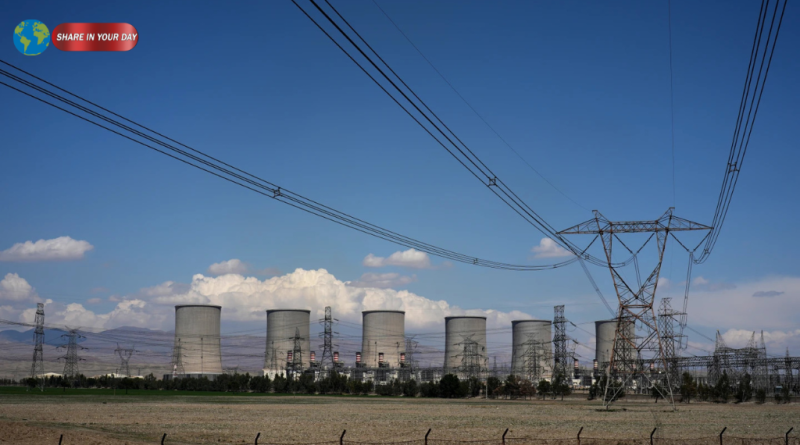
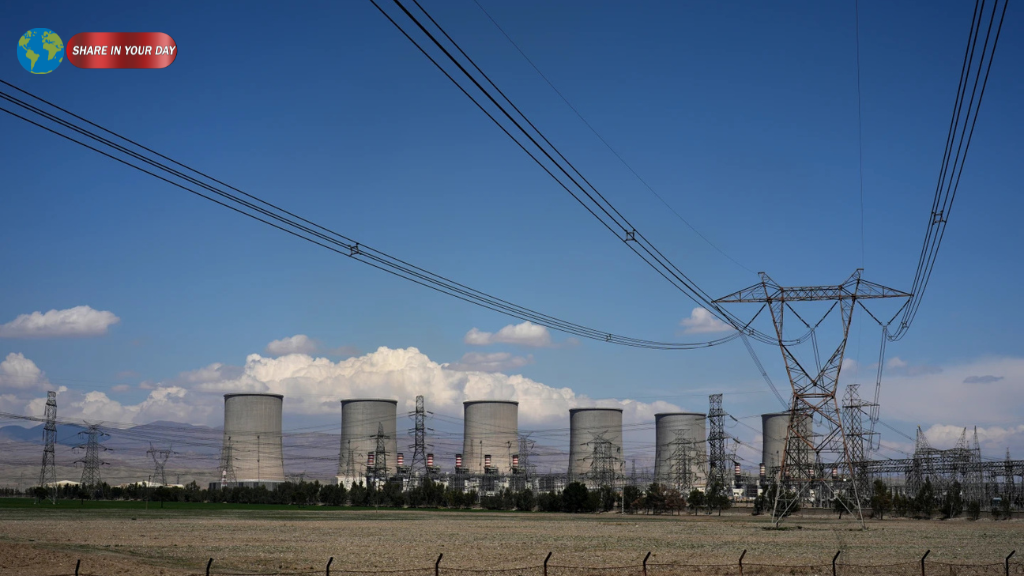
Trump warned that failure to comply would result in strikes targeting Iran’s infrastructure, including bridges and power plants. In some of his most alarming rhetoric, he suggested that the country could be severely crippled in a single night.
This aggressive stance marked a sharp escalation in the already volatile conflict, which has been ongoing since February 2026. Over time, Trump’s statements intensified, evolving from military pressure to outright threats against civilian infrastructure.
For many observers, the ultimatum represented a dangerous turning point—one that could push the region toward a broader war.
Fear of Blackouts and Humanitarian Crisis
The immediate concern for civilians in Tehran is the potential collapse of the power grid. The Trump Iran ultimatum has made electricity a central issue, with residents fearing prolonged outages that could disrupt daily life and essential services.
Hospitals, water systems, and communication networks all depend on stable electricity. Any disruption could have life-threatening consequences, particularly for vulnerable populations such as patients requiring constant medical care.
As a result, many residents have begun stockpiling essentials, charging electronic devices, and making contingency plans. Some families have even fled the capital in search of safer areas, while others remain, determined to endure the uncertainty.
Despite the fear, there is also a sense of resilience. Many Iranians, shaped by decades of geopolitical tension, are bracing themselves for hardship while continuing their daily routines as best as they can.
Infrastructure as a Target: A Controversial Strategy
One of the most controversial aspects of the Trump Iran ultimatum is its focus on civilian infrastructure. Targeting power plants and bridges raises serious legal and ethical questions under international law.
Experts warn that such actions could be considered violations of humanitarian law, which prohibits attacks on civilian objects.
Critics argue that destroying infrastructure would disproportionately harm ordinary citizens rather than military targets. Essential services would be disrupted, potentially plunging large parts of the country into crisis.
Supporters of the strategy, however, claim that it is intended to pressure Iran into compliance without prolonged ground conflict. They argue that economic and infrastructural pressure could force negotiations.
Nevertheless, the risks remain high, and the global community has expressed deep concern over the potential consequences.
Escalation and Global Reactions
The Trump Iran ultimatum has not only affected Iran but also triggered widespread international reactions. World leaders, analysts, and lawmakers have voiced concern over the escalating rhetoric and the possibility of a broader regional conflict.
Some U.S. lawmakers criticized the threats as reckless, warning that they could endanger American troops and destabilize global markets.
Meanwhile, global oil markets reacted sharply to the uncertainty. The Strait of Hormuz is a critical artery for global energy supplies, and any disruption could have far-reaching economic consequences.
Diplomatic efforts intensified as intermediaries, including Pakistan, worked to de-escalate the situation. These negotiations ultimately played a key role in preventing immediate military action.
Last-Minute Shift: Ceasefire Agreement
In a dramatic turn of events, the crisis took an unexpected shift. Just hours before the deadline, the United States and Iran agreed to a temporary ceasefire.
The two-week pause in hostilities was seen as a crucial opportunity for diplomacy. Trump announced that he would hold back on his threats while negotiations continued.
The agreement included steps toward reopening the Strait of Hormuz, a key demand of the United States. However, details remained unclear, and both sides expressed caution about the deal’s durability.
While the ceasefire brought temporary relief, it did not fully resolve the underlying tensions. Many analysts warned that the situation could quickly deteriorate if talks fail.
Life in Tehran Amid Uncertainty
Even with the ceasefire in place, the impact of the Trump Iran ultimatum continues to be felt across Tehran. The fear of renewed conflict lingers, and many residents remain on edge.
Daily life has been disrupted by airstrikes, security measures, and communication blackouts. In some areas, internet access has been limited, adding to the sense of isolation and uncertainty.
Hospitals have activated emergency protocols, ensuring backup power supplies and sufficient medical resources. Meanwhile, businesses and households are adapting to the possibility of prolonged instability.
The psychological toll is also significant. Constant exposure to threats and uncertainty has created a climate of anxiety, particularly among younger generations.
The Role of the Strait of Hormuz
The Strait of Hormuz remains a central element in the Trump Iran ultimatum. As one of the world’s most important النفط shipping routes, its status has major implications for global trade.
Iran’s willingness to reopen the strait was a key factor in the ceasefire agreement. However, disagreements over terms and enforcement mechanisms continue to pose challenges.
Control over the strait is not just a regional issue—it is a global one. Any disruption could lead to spikes in oil prices, supply shortages, and economic instability worldwide.
This makes the ongoing negotiations critical, not only for the United States and Iran but for the international community as a whole.
A Pattern of Escalation and Retreat
The Trump Iran ultimatum also reflects a broader pattern in Trump’s approach to foreign policy. His strategy often involves strong rhetoric and high-pressure tactics, followed by sudden shifts toward negotiation.
In this case, the rapid transition from threats of destruction to a ceasefire agreement highlights the unpredictable nature of the situation. Analysts suggest that this approach is designed to maximize leverage, though it also carries significant risks.
Critics argue that such volatility can undermine trust and increase the likelihood of miscalculation. Supporters, on the other hand, view it as a bold and effective negotiation strategy.
What Comes Next?
As the two-week ceasefire unfolds, the future remains uncertain. The Trump Iran ultimatum has created a fragile pause rather than a lasting resolution.
Key questions remain unanswered:
- Will Iran fully comply with the conditions regarding the Strait of Hormuz?
- Can diplomatic talks lead to a long-term agreement?
- What happens if the ceasefire collapses?
The answers to these questions will shape the next phase of the conflict and determine whether the region moves toward peace or renewed confrontation.
Conclusion
The Trump Iran ultimatum has become one of the most critical geopolitical developments of 2026, highlighting the fragile balance between military pressure and diplomatic resolution.
From the fear of blackouts in Tehran to global concerns over energy security, the crisis underscores the far-reaching impact of modern conflict. While the temporary ceasefire offers a glimmer of hope, the underlying tensions remain unresolved.
Ultimately, the situation serves as a stark reminder of how quickly international crises can escalate—and how crucial diplomacy is in preventing devastating consequences.