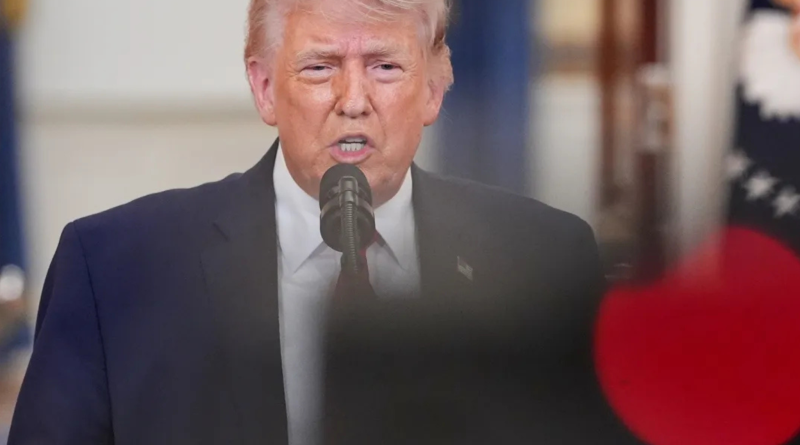
Trump Market Threats: Global Stocks Fall, Oil Surges
Global financial markets opened under pressure as Trump market threats tied to escalating tensions in the Iran conflict sent shockwaves across equities, commodities, and investor sentiment. Stocks wavered while oil prices climbed sharply, reflecting growing fears of a prolonged geopolitical crisis with serious economic consequences.
Investors worldwide are increasingly adopting a cautious stance, shifting away from riskier assets as uncertainty deepens. The latest developments highlight how political decisions are once again driving market volatility on a global scale.
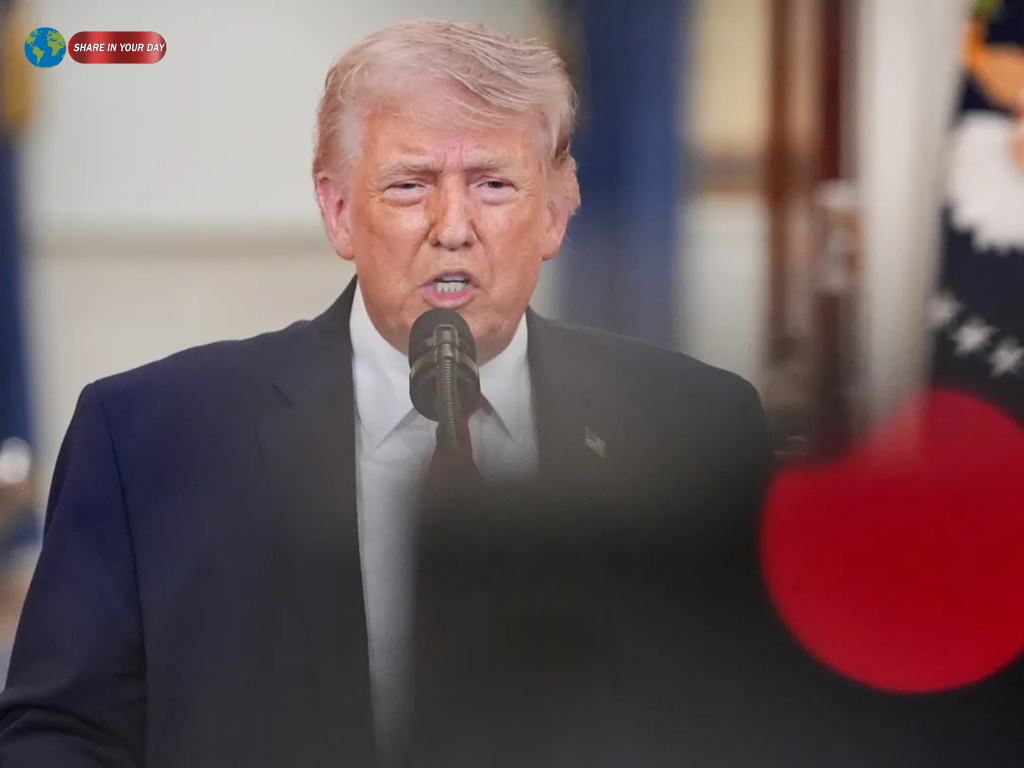
Markets React to Escalation Signals
The immediate impact of the Trump market threats was evident across major financial markets. Stock futures declined, and global equities struggled to maintain momentum as investors reassessed risk exposure.
At the same time, oil prices surged, driven by concerns that the conflict could disrupt global energy supplies. According to market analysts, the situation has significantly darkened the economic outlook, with fears of both slower growth and rising inflation.
This combination—often referred to as “stagflation risk”—poses a serious challenge for policymakers and investors alike.
Oil Prices Spike Amid Supply Fears
One of the most immediate consequences of the Trump market threats has been a sharp rise in oil prices. Energy markets reacted strongly to the possibility of further escalation, particularly given the strategic importance of the Middle East in global oil production.
Recent developments have raised concerns about:
- Disruptions in key shipping routes such as the Strait of Hormuz
- Reduced oil supply from conflict zones
- Increased costs for transportation and manufacturing
As oil prices rise, the ripple effects are felt across multiple sectors, from airlines to consumer goods.
Analysts warn that sustained high energy prices could lead to broader inflationary pressures, affecting economies worldwide.
Stock Markets Struggle Under Pressure
Equity markets have been particularly sensitive to the Trump market threats, with investors pulling back amid uncertainty.
Recent trends show:
- Declines in major stock indices
- Increased volatility in technology and growth stocks
- Stronger performance in defensive sectors like energy
Investor sentiment has shifted toward caution, with many opting to reduce exposure to riskier assets.
Historically, geopolitical tensions have triggered similar market reactions, but the scale and duration of the current conflict make this situation especially unpredictable.
The Return of “Risk-Off” Sentiment
The Trump market threats have reignited a classic “risk-off” environment in global markets. In such conditions, investors typically move capital into safer assets, including government bonds, gold, and cash.
This shift reflects growing concerns about:
- Economic slowdown
- Inflation driven by energy costs
- Prolonged geopolitical instability
Financial experts note that risk-off sentiment can create a feedback loop, where declining markets further erode investor confidence.
Inflation Concerns Resurface
A key issue linked to the Trump market threats is the potential for rising inflation. Higher oil prices translate directly into increased costs for businesses and consumers.
This creates a challenging scenario for central banks, which must balance:
- Controlling inflation
- Supporting economic growth
If inflation rises too quickly, central banks may be forced to tighten monetary policy, potentially slowing economic activity even further.
Global Economic Outlook Darkens
The broader economic implications of the Trump market threats are becoming increasingly concerning. Analysts warn that the combination of geopolitical tension and rising energy costs could significantly impact global growth.
Key risks include:
- Slower economic expansion
- Increased borrowing costs
- Reduced consumer spending
The uncertainty surrounding the conflict makes it difficult for businesses to plan, further contributing to economic instability.
Investor Strategy Shifts
In response to the Trump market threats, investors are adjusting their strategies to navigate the uncertain environment.
Common approaches include:
- Increasing exposure to energy stocks
- Reducing holdings in volatile sectors
- Diversifying portfolios to manage risk
Some investors are also looking for opportunities in market dips, betting on potential rebounds if tensions ease.
The Role of Geopolitics in Markets
The current situation highlights the growing influence of geopolitics on financial markets. The Trump market threats demonstrate how quickly political developments can impact global economies.
From trade disputes to military conflicts, geopolitical risks have become a central factor in investment decisions.
Experts emphasize the need for:
- Greater risk management
- Awareness of global events
- Flexible investment strategies
What Could Happen Next?
The future trajectory of markets will largely depend on how the situation evolves. The Trump market threats have introduced a high level of uncertainty, making predictions difficult.
Possible scenarios include:
- Further escalation leading to sustained market volatility
- Diplomatic breakthroughs triggering a market rebound
- Prolonged conflict resulting in long-term economic challenges
Investors will be closely monitoring political developments, particularly any signals of de-escalation or additional military action.
Historical Context of Market Reactions
This is not the first time markets have reacted sharply to political developments. Previous instances of Trump market threats, including tariff announcements and geopolitical tensions, have led to similar volatility.
For example:
- Past tariff threats triggered sharp market sell-offs
- Geopolitical conflicts have historically driven oil price spikes
- Investor sentiment often shifts rapidly in response to political signals
These patterns suggest that while volatility may persist, markets can also recover quickly if conditions improve.
Conclusion
The latest wave of Trump market threats has once again demonstrated the fragile relationship between geopolitics and global financial markets. With stocks under pressure and oil prices surging, investors are facing a challenging environment marked by uncertainty and risk.
As the situation continues to unfold, the focus will remain on how political decisions shape economic outcomes. Whether markets stabilize or experience further turbulence will depend largely on the direction of the conflict and the global response.
For now, one thing is clear: geopolitical tensions are firmly back at the center of the financial world.