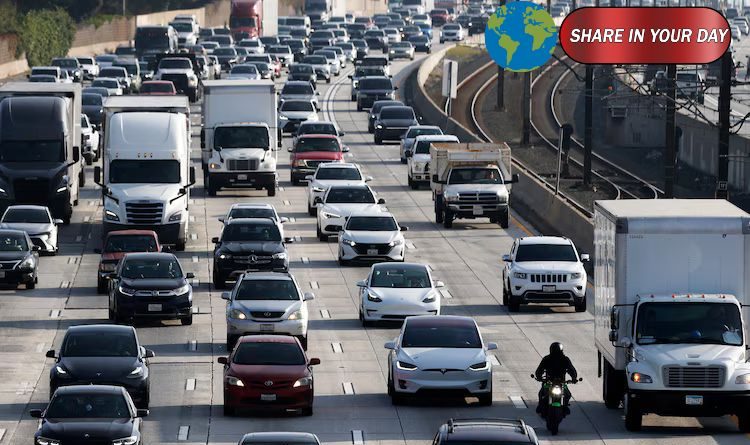
Trump Administration Rolls Back Biden-Era Vehicle Fuel-Efficiency Rules
Trump’s Push to Reverse Fuel-Economy Rules
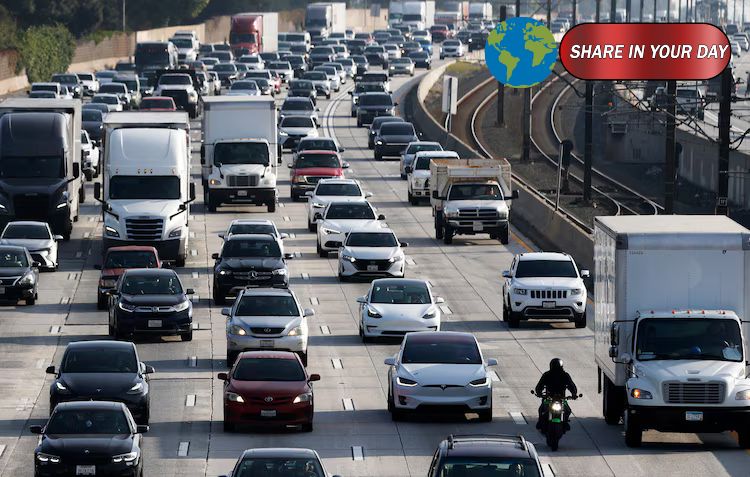
On December 3, 2025, Donald Trump announced from the National Highway Traffic Safety Administration (NHTSA) that the administration would repeal the stricter fuel-efficiency requirements set under the previous administration of Joe Biden. ABC News+2The Washington Post+2
The now-discarded rule had mandated a roughly 2 % annual increase in fuel efficiency from 2027 to 2031 and targeted an average fleet-wide fuel economy of about 50.4 miles per gallon by 2031. ABC News+2The Washington Post+2
Under the new proposal, the target would drop to about 34.5 mpg by 2031 — over 15 mpg lower than the previous standard. The Washington Post+2Al Jazeera+2
What Administration and Automakers Say
The administration defended the rollback as a move to make vehicles more affordable and restore consumer choice. Trump described the previous standards as “ridiculously burdensome” and argued they artificially inflated vehicle costs for consumers and automakers alike. ABC News+1
Leading auto-industry firms welcomed the decision. Executives from Ford Motor Company and Stellantis attended the White House announcement. In one statement, Ford’s CEO said the rollback would help align fuel-economy requirements “with market realities” and provide customers with affordable vehicle choices. ABC News
The administration also forecasted savings of up to US$109 billion over the coming years. ABC News+1
Environmental and Consumer Concerns
Critics—including environmental groups—warn that rolling back fuel-efficiency standards threatens air quality and undercuts U.S. efforts to reduce greenhouse-gas emissions. Burning more gasoline may reverse decades of progress on vehicle emissions. Al Jazeera+2Energy News+2
The previous standards, according to NHTSA’s 2024 estimates, would have saved nearly 70 billion gallons of gasoline by 2050 and prevented roughly 710 million metric tons of CO₂ emissions — a key component of U.S. climate commitments. ABC News+2The Washington Post+2
Some experts also argued that rolling back these rules may not significantly reduce car prices for consumers, because automobile pricing depends on many factors beyond fuel-saving technologies. ABC News+1
What It Means for the Future of U.S. Autos
- The rollback signals a shift away from incentives promoting electric vehicles (EVs) and stricter emissions standards. Al Jazeera+2The Washington Post+2
- Automakers may resume or increase production of larger, gas-powered vehicles like SUVs and trucks, which tend to be more profitable. Al Jazeera+1
- For consumers, the immediate benefit may be cheaper vehicles, but long-term costs at the pump and environmental impacts may rise. Several public-health and climate experts argue the rollback undermines broader efforts to reduce air pollution and greenhouse-gas emissions. The Washington Post+2Energy News+2