Trump US Ratings Fall: 5 Shocking Iran War Impacts
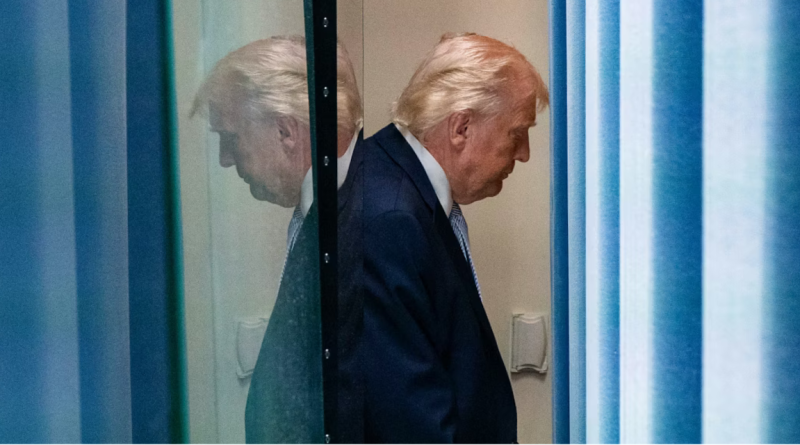
The phrase Trump US ratings fall has become one of the most significant political developments in 2026, as public approval of Donald Trump drops to record lows amid the ongoing war with Iran.
What began as a high-stakes military campaign has evolved into a political crisis at home. Polls, economic indicators, and public sentiment all point in the same direction: Americans are increasingly dissatisfied with both the war and the leadership behind it.
This article explores five shocking reasons behind the decline and what they reveal about the future of U.S. politics and global stability.
What Is Behind the Trump US Ratings Fall?
Recent polling data paints a clear picture. According to a Pew Research Center survey:
- Around 61% of Americans disapprove of Trump’s handling of the Iran conflict
- Nearly 60% believe the war was the wrong decision
- Many Americans think the conflict is not going well
At the same time, other polling suggests Trump’s overall approval rating has dropped to around 36%, marking one of the lowest points in his presidency
These numbers reflect a broader shift in public opinion driven by multiple overlapping crises.
1. Public Opposition to the Iran War
The biggest driver of the Trump US ratings fall is widespread opposition to the war itself.
From the beginning, Americans have been divided. However, as the conflict progressed, opposition has grown significantly:

- A majority now believe military action was a mistake
- Many fear long-term instability
- Most oppose sending ground troops
In fact, surveys show that more Americans believe the war will make the U.S. less safe rather than more secure
This shift is critical because Trump previously built his political identity on avoiding prolonged foreign wars. The Iran conflict contradicts that image.
2. Economic Pressure Hits American Households
Another key factor behind the Trump US ratings fall is economic fallout.
The war has had immediate consequences:
- Rising oil prices
- Increasing gasoline costs
- Market instability
Reports indicate that Americans are already feeling financial strain, with energy prices expected to surge due to disruptions in key shipping routes like the Strait of Hormuz
Meanwhile:
- Inflation concerns are rising
- Consumer confidence is weakening
- Businesses face uncertainty
For many voters, economic pain is more tangible than geopolitical strategy—and it is directly affecting approval ratings.
3. Lack of Clear War Objectives
A third major reason for the Trump US ratings fall is confusion over the war’s purpose.
Initially, the administration framed the conflict as:
- A defensive move against Iranian threats
- A mission to prevent nuclear escalation
However, analysts now say the goals appear to have shifted toward broader ambitions, including regime change and control of strategic routes
This lack of clarity has created:
- Public skepticism
- Political criticism
- International uncertainty
When voters do not understand why a war is being fought, support tends to decline rapidly.
4. Strained Global Alliances
The Iran war has also damaged U.S. relationships with key allies.
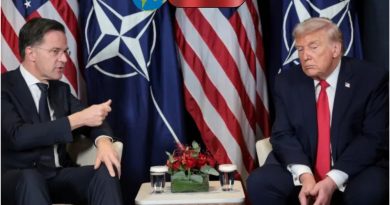
Reports suggest that NATO partners were reluctant to support the conflict. In fact, leaders across Europe have resisted deeper involvement, creating tension within the alliance
This has several consequences:
- Reduced diplomatic support
- Increased global isolation
- Questions about U.S. leadership credibility
For voters, weakened alliances can signal declining global influence, further contributing to falling approval ratings.
5. Political Fallout at Home
Finally, the Trump US ratings fall is deeply tied to domestic political pressure.
Inside the United States:
- Opposition parties are leveraging the war as a campaign issue
- Internal divisions within the administration are growing
- Even parts of Trump’s base are expressing concern
According to reports, nearly 60% of Americans oppose the war, while political rivals are using economic hardship and uncertainty to challenge Trump’s leadership
This creates a feedback loop:
- Lower approval ratings → more political pressure → further decline
A Deepening Divide in American Society
One notable aspect of the Trump US ratings fall is how sharply divided public opinion remains.
Polling shows:
- Republicans largely support the war
- Democrats overwhelmingly oppose it
- Independents are split
This polarization highlights a broader issue in American politics—deep divisions that make consensus nearly impossible.
The Role of Media and Public Perception
Media coverage has also played a major role in shaping public opinion.
News outlets have highlighted:
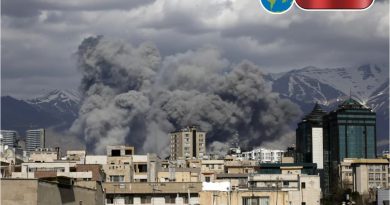
- Civilian casualties
- Economic consequences
- Diplomatic tensions
At the same time, competing narratives have emerged:
- The administration frames the war as necessary
- Critics argue it is poorly planned
This information battle influences how Americans perceive the conflict and their leader’s performance.
What the Iran War Has Achieved So Far
Despite declining approval ratings, the administration argues that the war has produced strategic gains.
These include:
- Military pressure on Iran
- Attempts to secure shipping routes
- Temporary ceasefire agreements
However, both sides in the conflict claim victory, reflecting a complex and unresolved situation
This ambiguity makes it difficult for the public to assess whether the war has been successful.
The Ceasefire Factor
Recent developments include a temporary ceasefire between the U.S. and Iran.
While this has reduced immediate tensions:
- It has not resolved underlying issues
- Fighting could resume at any time
- Political uncertainty remains high
Experts warn that fragile ceasefires often mask deeper conflicts rather than end them.
Long-Term Risks for Trump
The Trump US ratings fall could have lasting political consequences.
1. Election Impact
Lower approval ratings could weaken Trump’s position in upcoming elections.
2. Policy Limitations
Reduced public support may limit the administration’s ability to pursue further military or economic policies.
3. Legacy Concerns
The Iran war may define Trump’s presidency in the eyes of history.
Global Implications
The situation extends far beyond U.S. borders.
The Iran conflict has already:
- Disrupted global energy markets
- Increased geopolitical tensions
- Raised fears of broader war
As a result, the Trump US ratings fall is not just a domestic issue—it reflects global instability.
Conclusion
The Trump US ratings fall is driven by a combination of factors:
- Strong public opposition to the Iran war
- Economic pressure on households
- Unclear military objectives
- Strained international alliances
- Growing political challenges at home
Together, these elements paint a picture of a presidency under pressure.
While the future remains uncertain, one thing is clear: the intersection of war, economics, and public opinion has created a defining moment in modern American politics.