5 Reasons Trump’s Gaza Peace Plan Faces Urgent Cash Crunch
The ambitious “Vision for Peace” aimed at transforming the Gaza Strip into a hub of Mediterranean commerce has encountered a significant financial barrier. Recent reports indicate that the Trump administration’s specialized Peace Board is facing a severe cash crunch, effectively stalling the implementation of the Gaza peace plan. As diplomatic efforts intensify, the lack of liquid capital threatens to derail months of negotiation and infrastructure planning.
1. The Gap Between Pledges and Liquid Capital
The cornerstone of the Gaza peace plan was a multilateral commitment from global superpowers and regional allies. However, there is a growing disconnect between public diplomatic pledges and the actual transfer of funds into the Peace Board’s accounts. While billions were promised for the reconstruction of Gaza’s infrastructure, the transition from verbal commitment to bankable assets has proven slower than the administration anticipated.
Sources close to the board suggest that several key donor nations are hesitating. This hesitation stems from a “wait-and-see” approach regarding the long-term stability of the region. Without the immediate injection of these funds, the physical construction of ports, power plants, and housing units—essential for the Gaza peace plan—cannot move forward.
2. Geopolitical Shifts and Donor Fatigue
The international community has seen a shift in focus toward other global conflicts, leading to what economists call “donor fatigue.” The Gaza peace plan requires a sustained, multi-year financial commitment that many nations are currently finding difficult to justify to their domestic taxpayers.
Furthermore, shifting alliances in the Middle East have complicated the funding landscape. Some traditional donors in the Gulf are prioritizing internal economic diversification projects over external reconstruction efforts. This shift has left the Peace Board searching for alternative revenue streams, which have yet to materialize at the scale required for a project of this magnitude.
3. Structural Delays Within the Peace Board
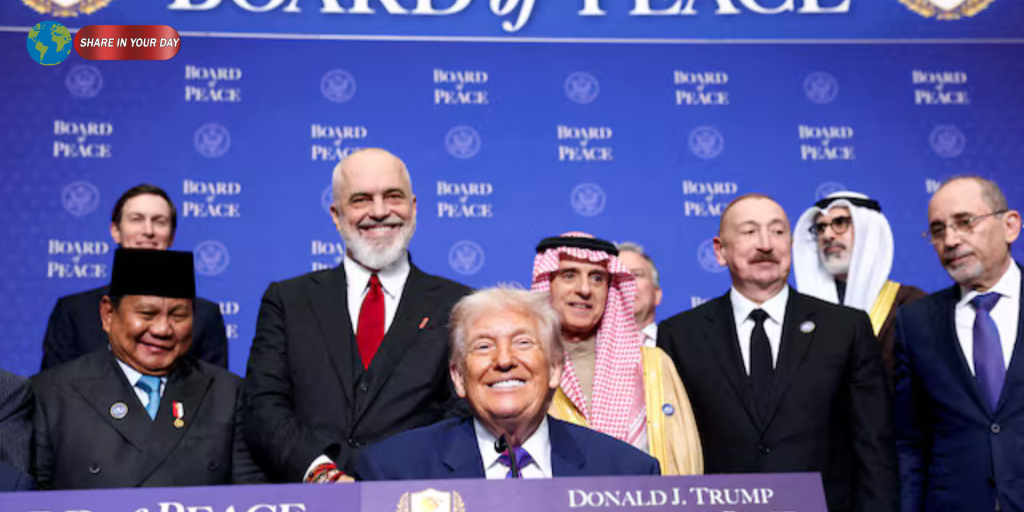
The Peace Board, established specifically to oversee the Gaza peace plan, has faced internal administrative hurdles. Operating as a hybrid between a diplomatic mission and a venture capital fund, the board has struggled with the bureaucratic requirements of multiple participating nations.
Each contributing country has unique auditing and transparency requirements. Aligning these diverse legal frameworks has caused months of delays. In the world of high-stakes diplomacy, time is money; as projects sit on the shelf, inflation and rising material costs further erode the purchasing power of the existing budget.
4. Security Concerns Impacting Private Investment
A significant portion of the Gaza peace plan relied on private-sector investment. The administration envisioned a “Singapore of the Middle East,” where private developers would build luxury high-rises and tech hubs. However, private capital is notoriously risk-averse.
Recent skirmishes and the unpredictable security environment have caused private equity firms to pause their involvement. Without the safety net of a fully funded international peace force—another expensive component of the Gaza peace plan—private investors are unwilling to break ground. This lack of private participation places an even heavier burden on the already depleted public funds.
5. The Challenge of Sustaining Humanitarian Aid vs. Reconstruction
There is a constant tension within the Gaza peace plan between immediate humanitarian relief and long-term reconstruction. Currently, the majority of available funds are being diverted to essential services such as food, water, and emergency medicine.
While these are vital, they do not contribute to the “building back” phase of the plan. The cash crunch means that the Peace Board often has to choose between feeding the population today or building the factories that will provide jobs tomorrow. This cyclical struggle prevents the Gaza peace plan from achieving the “economic liftoff” that was promised during the initial unveiling.
The Path Forward for the Peace Board
To salvage the Gaza peace plan, the administration may need to pivot its strategy. This could involve “re-selling” the vision to a new group of emerging economies or restructuring the board to allow for more flexible funding mechanisms.
The stakes could not be higher. For the residents of Gaza, the plan represented a glimmer of hope for a stable, prosperous future. Whether the cash crunch is a temporary setback or a terminal failure will depend on the diplomatic maneuvers of the coming months. The world remains watchful as the Peace Board attempts to bridge the multi-billion dollar gap.
Image ALT Text: Gaza peace plan reconstruction site showing stalled construction equipment.