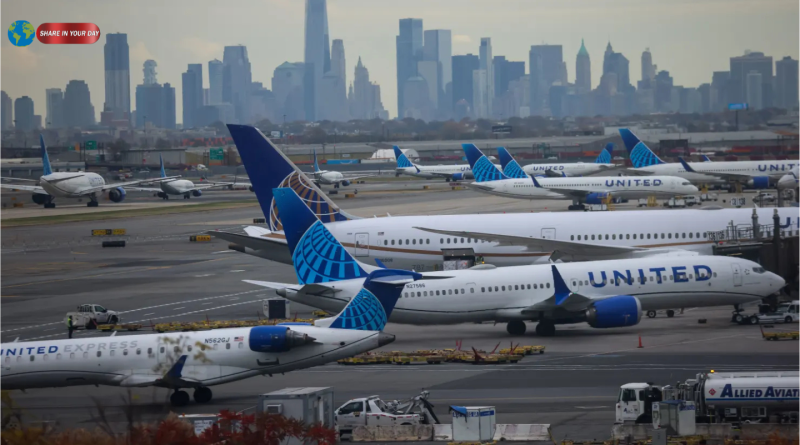
United Airlines Bag Fees Rise Amid Fuel Price Surge
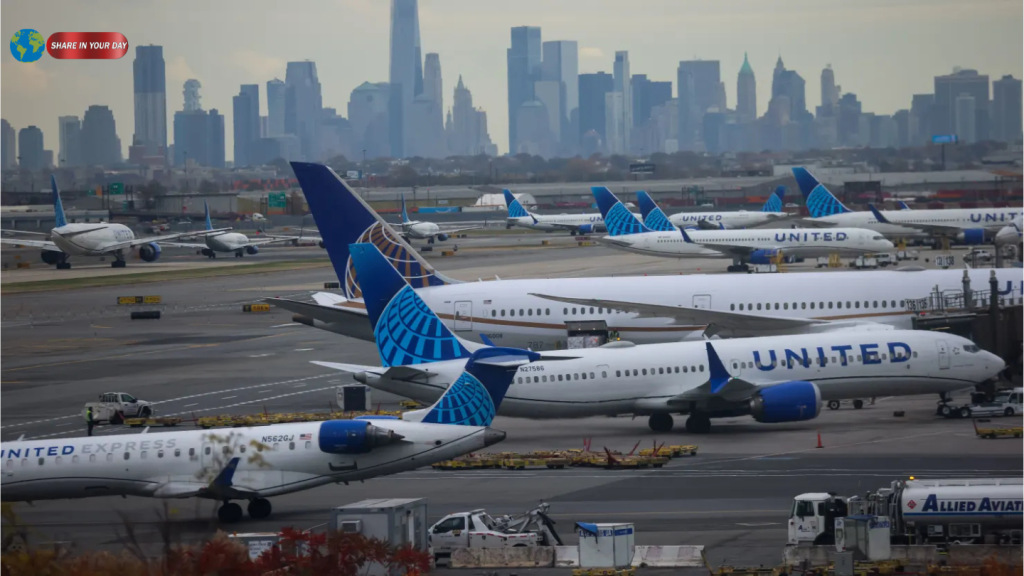
The latest announcement that United Airlines bag fees rise has sparked concern among travelers as airline costs continue climbing in 2026. The carrier confirmed it is increasing checked baggage fees by $10, making it one of several airlines adjusting prices in response to surging fuel costs.
This move reflects broader pressure across the aviation industry, where rising oil prices—driven by geopolitical tensions—are forcing airlines to pass costs on to consumers. While base fares remain competitive, additional charges such as baggage fees are becoming a key revenue stream.
What Exactly Changed in United Airlines’ Bag Fees?
United Airlines has implemented a $10 increase for both first and second checked bags on most routes across the United States, Canada, Mexico, and Latin America.
Here’s the updated pricing structure:
- First checked bag:
- $45 if prepaid
- $50 if paid within 24 hours of departure
- Second checked bag:
- $55 prepaid
- $60 within 24 hours
These changes apply to tickets purchased starting April 3, 2026.
Importantly, passengers who purchased tickets before this date are not affected.
Why United Airlines Bag Fees Rise Now
The main driver behind the decision is the sharp increase in jet fuel costs, which is one of the largest expenses for airlines after labor.
Fuel prices have surged dramatically due to ongoing geopolitical tensions, particularly disruptions in oil supply routes. Airlines are facing rising operational costs across multiple areas, including fuel procurement, logistics, and maintenance.
As a result, carriers like United are choosing to:
- Keep base ticket prices competitive
- Offset rising costs through ancillary fees
- Maintain profitability in a volatile market
Industry-wide, airlines are increasingly relying on these add-on charges to balance their financial performance.
Not Just United: Industry-Wide Trend Emerging
United Airlines is not alone in raising baggage fees. In fact, it is the second major U.S. airline to do so within a week.
United Airlines raises bag fees to $50 as jet fuel prices surge amid Middle East conflict
JetBlue Hikes Bag Fees as Fuel Prices Rise

JetBlue hikes fees for checked bags, citing ‘rising operating costs’
JetBlue’s latest fee increase could be start of costly airline trend with soaring oil prices
Other airlines, including JetBlue, have also increased fees, citing similar cost pressures.
Analysts say this could signal a broader trend across the airline industry:
- More carriers may follow with similar fee hikes
- Ancillary charges may continue rising
- Travelers could see higher total trip costs even if base fares remain stable
This strategy allows airlines to advertise lower ticket prices while recouping costs through optional services.
How Rising Fuel Costs Are Reshaping Air Travel
Fuel costs have become the dominant factor influencing airline pricing strategies in 2026.
Recent reports indicate:
- Jet fuel prices have surged significantly
- Oil prices have climbed above $100 per barrel in some cases
- Supply disruptions are affecting global markets
As a result, airlines worldwide are:
- Increasing ticket prices
- Adding surcharges
- Cutting routes or capacity
In the U.S., however, airlines often avoid direct fuel surcharges and instead increase fees like baggage, seat selection, and onboard services.
This shift is subtle but impactful—travelers may not notice higher ticket prices immediately, but the total cost of travel continues to rise.
Who Is Exempt from the New Fees?
Despite the increase, some passengers can still avoid paying checked baggage fees.
United Airlines confirmed that the following groups remain eligible for free checked bags:
- MileagePlus Premier members
- United co-branded credit card holders
- Active-duty military personnel
- Premium cabin passengers
These exemptions are part of United’s strategy to reward loyalty and maintain customer retention, even as prices rise for general travelers.
A Strategic Move: Why Airlines Favor Fee Increases
Rather than significantly raising base airfare, airlines prefer adjusting optional fees. This approach offers several advantages:
1. Competitive Pricing Visibility
Lower base fares attract customers during flight searches.
2. Revenue Flexibility
Airlines generate additional income from passengers who need extra services.
3. Demand Management
Fees can influence traveler behavior, such as encouraging lighter packing.
This pricing model has become standard across the industry and is likely to expand further as costs rise.
Impact on Travelers: What You Should Expect
For passengers, the increase in baggage fees means higher overall travel expenses—especially for those who frequently check luggage.
Here are some key impacts:
Higher Total Trip Costs
Even if airfare remains stable, added fees increase the final price.
More Planning Required
Travelers may need to:
- Prepay for bags to save money
- Pack lighter to avoid fees
- Consider alternative airlines or fare classes
Increased Complexity
Airline pricing is becoming more fragmented, with multiple add-ons affecting the total cost.
Experts recommend booking early and reviewing baggage policies carefully before traveling.
The Bigger Picture: A New Era of Airline Pricing
The fact that United Airlines bag fees rise highlights a broader transformation in how airlines operate.
Instead of relying solely on ticket sales, airlines now depend heavily on ancillary revenue streams. These include:
- Baggage fees
- Seat upgrades
- Priority boarding
- In-flight purchases
This model allows airlines to remain profitable even during periods of high fuel costs and economic uncertainty.
However, it also shifts more financial burden onto passengers.
Will Prices Continue to Rise?
The outlook suggests that airline costs may continue increasing in the near future.
Several factors will influence pricing:
- Ongoing geopolitical tensions
- Oil supply stability
- Demand for air travel
- Economic conditions
If fuel prices remain elevated, travelers should expect:
- More fee increases
- Potential airfare hikes
- Reduced promotional offers
Airlines may continue experimenting with pricing strategies to balance demand and profitability.
Tips for Avoiding Higher Baggage Fees
Travelers can take several steps to minimize the impact of rising fees:
Pack Smart
Use carry-on luggage whenever possible.
Prepay for Bags
Booking baggage in advance is usually cheaper.
Use Airline Credit Cards
Many offer free checked bags as a benefit.
Join Loyalty Programs
Frequent flyers often receive baggage perks.
Compare Airlines
Different carriers have varying fee structures.
By planning ahead, travelers can reduce costs even as airline pricing becomes more complex.
Conclusion: A Clear Sign of Industry Pressure
The announcement that United Airlines bag fees rise is more than just a pricing update—it’s a clear indicator of the pressure facing the airline industry.
As fuel costs surge and global uncertainty continues, airlines are adapting by shifting more costs onto passengers through ancillary fees. United’s move is part of a broader trend that is likely to shape the future of air travel.
For travelers, the key takeaway is simple: flying may still be accessible, but it is becoming increasingly expensive in hidden ways.
Understanding these changes—and planning accordingly—will be essential for navigating air travel in 2026 and beyond.