US Iran Blockade 2026: A Global Crisis Unfolds
The US Iran Blockade 2026 has rapidly become one of the most critical geopolitical events of the year, marking a dangerous escalation in tensions between Washington and Tehran. Following the collapse of high-stakes negotiations, the United States has moved forward with a naval blockade targeting Iranian ports connected to the strategically vital Strait of Hormuz.
This decision, widely reported by major outlets including The New York Times, is not just a regional maneuver—it is a move with global consequences. From oil markets to military alliances, the ripple effects are already being felt worldwide.
What Triggered the US Iran Blockade 2026?
The US Iran Blockade 2026 was triggered by the failure of diplomatic talks held in Islamabad. These negotiations aimed to end weeks of conflict involving the United States, Iran, and regional actors.
However, key disagreements derailed the talks:
- Iran refused to fully abandon nuclear ambitions
- The U.S. demanded stricter compliance and guarantees
- Neither side was willing to compromise
As a result, U.S. President Donald Trump authorized a naval blockade designed to cut off Iran’s economic lifeline—its oil exports.
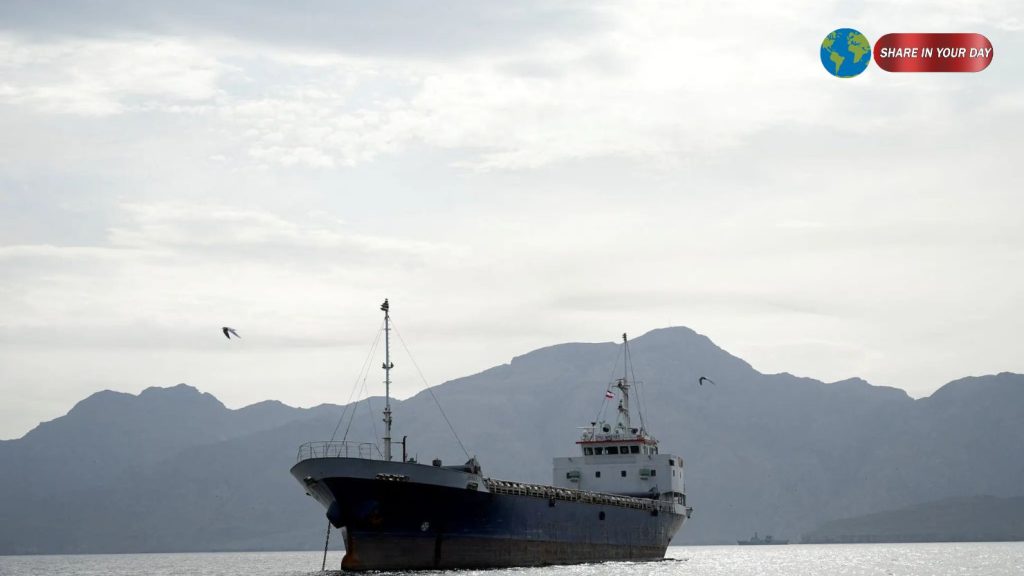
According to reports, the blockade specifically targets ships entering or leaving Iranian ports rather than fully closing the Strait of Hormuz.
Understanding the Strait of Hormuz
At the center of the US Iran Blockade 2026 is the Strait of Hormuz, one of the most strategically important waterways in the world.
Why It Matters
- Roughly 20% of global oil supply passes through the strait
- It connects major oil producers in the Middle East to global markets
- Even partial disruption triggers immediate economic shock
The current crisis has already reduced shipping traffic and disrupted supply chains.
Historically, disruptions in this region have led to dramatic spikes in oil prices, and 2026 is proving no different.
How the Blockade Works
The US Iran Blockade 2026 is not a full closure of international waters. Instead, it focuses on:
- Blocking vessels linked to Iranian ports
- Intercepting tankers carrying Iranian oil
- Preventing exports of approximately 2 million barrels per day
The U.S. Navy is expected to enforce the blockade through inspections, interceptions, and naval presence in key shipping lanes.
However, enforcement comes with serious risks, especially in such a volatile region.
Iran’s Response: A Warning of Retaliation
Iran has strongly condemned the US Iran Blockade 2026, calling it an act of aggression.
Key Threats from Iran
- Retaliation against Gulf shipping and ports
- Possible military confrontation in the Strait
- Escalation of regional conflict
Iran’s Revolutionary Guard has warned that any enforcement of the blockade could be treated as an act of war.
Additionally, Iran has already taken steps to assert control over the strait, including restricting traffic and imposing tolls on ships.
5 Shocking Global Impacts of the US Iran Blockade 2026
The US Iran Blockade 2026 is already reshaping the global landscape. Here are five major impacts:
1. Oil Prices Surge Worldwide
The most immediate effect is a spike in oil prices.
With millions of barrels of Iranian oil blocked from reaching global markets, supply has tightened significantly. In response, oil prices surged sharply, reflecting fears of prolonged disruption.
2. Global Inflation Pressures Rise
Higher oil prices lead to increased costs across industries:
- Transportation becomes more expensive
- Food prices rise due to higher logistics costs
- Manufacturing costs increase
This could worsen inflation globally, especially in countries already facing economic challenges.
3. Risk of Military Escalation
The blockade places military forces from both sides in close proximity, increasing the risk of conflict.
Potential flashpoints include:
- Naval clashes
- Drone or missile attacks
- Accidental escalation
Experts warn that even a small incident could trigger a broader war.
4. Strained Western Alliances
The US Iran Blockade 2026 has exposed divisions among U.S. allies.
Several countries have:
- Refused to participate in the blockade
- Called for diplomatic solutions
- Focused on maintaining free navigation
This lack of unity could weaken the effectiveness of the strategy and complicate future cooperation.
5. Global Supply Chain Disruptions
The blockade is already affecting global trade:
- Shipping delays are increasing
- Insurance costs for tankers are rising
- Key industries face supply shortages
These disruptions could impact everything from electronics to food production.
The Bigger Picture: The 2026 Strait of Hormuz Crisis
The US Iran Blockade 2026 is part of a broader conflict known as the Strait of Hormuz crisis.
This crisis began earlier in the year when Iran restricted access to the strait following military strikes. Since then:
- Oil prices have surged past $100 per barrel
- Shipping traffic has declined sharply
- Global markets have become increasingly volatile
The blockade represents the latest—and most aggressive—phase of this ongoing conflict.
Can the Blockade Succeed?
The success of the US Iran Blockade 2026 remains uncertain.
Challenges Facing the U.S.
- Monitoring all maritime traffic is difficult
- Iran retains strategic control over the region
- Enforcement risks triggering military escalation
Experts also warn that Iran may adapt by:
- Using alternative shipping routes
- Increasing reliance on allied countries
- Escalating asymmetric warfare tactics
What Happens Next?
The future of the US Iran Blockade 2026 depends on several key factors:
Possible Scenarios
1. Escalation
A military clash could expand the conflict across the Middle East.
2. Economic Crisis
Prolonged disruption could push global inflation higher and slow economic growth.
3. Return to Negotiations
Pressure from the blockade may eventually bring both sides back to the negotiating table.
Conclusion: A High-Risk Global Gamble
The US Iran Blockade 2026 is a bold and risky move that could reshape global politics and economics.
While it aims to pressure Iran into compliance, it also carries significant dangers—from rising oil prices to the threat of war.
As the situation continues to evolve, the world is watching closely. The decisions made in the coming weeks could determine whether this crisis leads to resolution—or spirals into a much larger conflict.
Image (Required)
Image Suggestion:
US Navy ships operating near Strait of Hormuz
Image ALT Text:
US Iran Blockade 2026 naval ships Strait of Hormuz