Travelling to Mexico? What to Know After Cartel Violence Erupts in Jalisco
Tourists in some of Mexico’s most popular destinations have been urged to remain indoors after a wave of violence followed the reported killing of a powerful cartel leader in the western state of Jalisco.
Authorities say Nemesio Rubén Oseguera Cervantes — widely known as “El Mencho” — was killed during a military operation on Sunday, 22 February. The figure had long been associated with the Jalisco New Generation Cartel, one of the country’s most powerful criminal organizations.
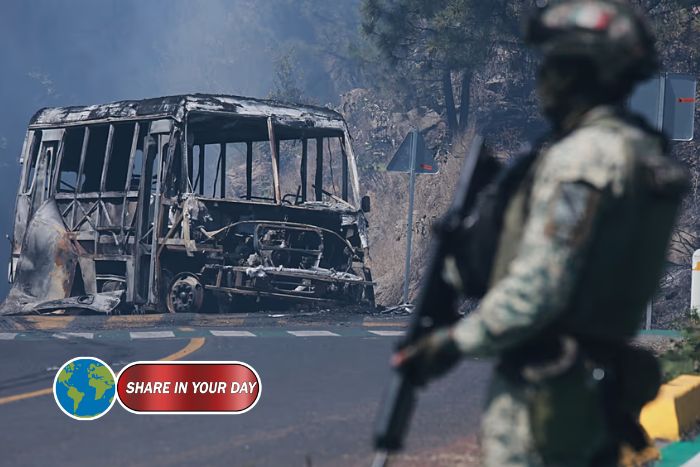
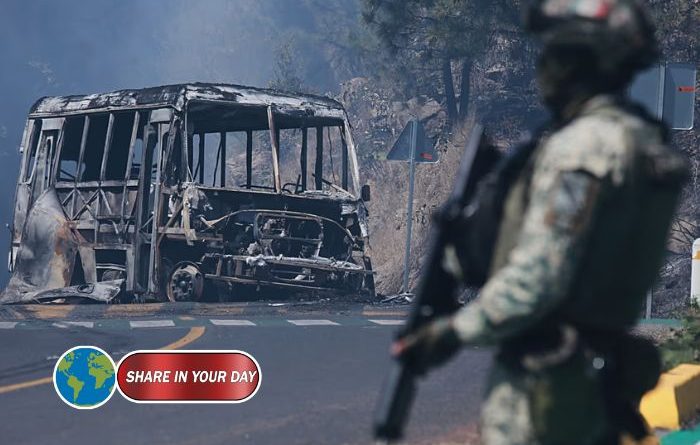
In the hours that followed, cartel members reportedly set up roadblocks, torched vehicles and clashed with security forces across parts of Jalisco and neighboring areas. Although officials say calm has largely returned, foreign governments are maintaining heightened travel advisories for key cities.
Shelter-in-Place Advice in Tourist Hubs
The US State Department has advised American citizens in parts of Jalisco and neighboring Nayarit state — including the resort city of Puerto Vallarta and the state capital Guadalajara — to shelter in place and follow instructions from local authorities.
The UK’s Foreign, Commonwealth and Development Office (FCDO) echoed that advice, urging travelers to “stay alert and follow local security advice wherever you are in Mexico.”
In a statement, the FCDO warned that transport links and services had been significantly disrupted in Jalisco, with local shelter-in-place orders affecting parts of Puerto Vallarta and Guadalajara. Authorities in Puerto Vallarta issued a public advisory telling residents and visitors to remain indoors at the height of the unrest.
Security incidents were also reported in other states, including Quintana Roo and Oaxaca, though officials say conditions there have since stabilized.
Flights Disrupted at Key Airports
The violence had immediate knock-on effects for air travel.
All international flights into Puerto Vallarta International Airport were cancelled on Sunday, 22 February. Some services remained suspended or rescheduled the following day. Airport authorities said the facility was under the protection of Mexico’s National Guard and the Ministry of National Defense.
In an update posted on 23 February, Pacific Airports Group confirmed that both Guadalajara and Puerto Vallarta airports were open and operating. However, several airlines opted to cancel or adjust services out of caution.
Social media videos circulating at the weekend appeared to show anxious passengers inside Guadalajara Airport. Claims that criminal groups had taken control of airport facilities were later dismissed by officials.
Major North American carriers, including American Airlines, United Airlines and Delta Air Lines, announced temporary waivers on change fees for travelers flying to, from or through Guadalajara and Puerto Vallarta. Air Canada initially cancelled its scheduled services to both cities, but said routes to Puerto Vallarta would resume on 24 February and to Guadalajara on 25 February.
Airports elsewhere in the country — including those serving Mexico City — continue to operate normally.
A Key Tourism Region
Puerto Vallarta is one of Mexico’s most visited beach resorts, attracting millions of international tourists each year with its Pacific coastline, cruise port and luxury hotels. Guadalajara, meanwhile, is a major cultural and economic hub and is scheduled to host matches during the upcoming FIFA World Cup.
Tourism is a cornerstone of Mexico’s economy, and authorities have moved quickly to reassure visitors that security operations are ongoing and that most areas have returned to normal activity.
What Travelers Should Do Now
Officials from both the US and UK governments stress that travelers currently in affected areas should:
- Monitor local media and official advisories
- Follow shelter-in-place instructions where issued
- Avoid unnecessary travel within Jalisco until further notice
- Check directly with airlines for the latest flight information
For those planning trips in the coming days, airlines are offering flexibility, but conditions may evolve depending on security developments.
While much of Mexico remains open to visitors, the events in Jalisco are a reminder that localized outbreaks of cartel violence can disrupt even heavily touristed regions with little warning.
Travelers are being urged to remain cautious, informed and flexible as authorities work to stabilize the situation.