Fans Rush to Learn Spanish Ahead of Bad Bunny’s Super Bowl Halftime Show
As anticipation builds for Bad Bunny’s Super Bowl halftime show, an unexpected side effect has emerged: fans across the United States are scrambling to learn Spanish — specifically, the fast-paced slang-heavy Puerto Rican dialect that defines the superstar’s music.
The Puerto Rican artist, born Benito Antonio Martínez Ocasio, is widely expected to perform the halftime show entirely in Spanish on Sunday, a move that has energized supporters and inflamed critics in equal measure. For many non-Spanish-speaking fans, it has become a personal challenge — and, in some cases, a political statement.
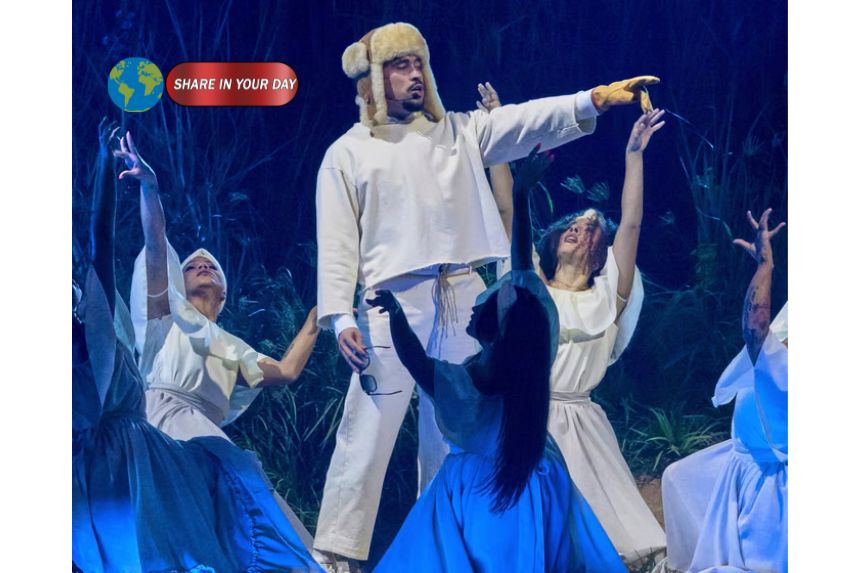
Bad Bunny first nudged his audience in that direction last October, when he opened Saturday Night Live’s 51st season with a monologue delivered entirely in Spanish. Switching briefly to English, he issued a challenge: “If you didn’t understand what I just said, you have four months to learn!”
Learning Lyrics as Cultural Participation
Since then, social media platforms have filled with videos dissecting Bad Bunny’s lyrics. Puerto Rican fans explain regional slang, while newcomers document their attempts to master pronunciation, rhythm, and meaning before kickoff.
Niklaus Miller, 29, said he began studying Bad Bunny’s songs shortly after the SNL appearance.
“I was delusional enough to think I could pick it up quickly,” Miller said, laughing. What started as a curiosity soon became more intentional. “It felt like a form of protest,” he added, pointing to the broader political climate. “It just feels good to do something.”
Miller has since learned portions of six songs he believes will feature in the halftime set, including Tití Me Preguntó, DtMF, and Baile Inolvidable. His videos have drawn messages from viewers who say watching him learn Spanish with their families makes them feel recognized and valued.
A Moment Charged With Politics
Bad Bunny’s rise to the Super Bowl stage has unfolded amid ongoing controversy. The singer has openly criticized US president Donald Trump’s immigration policies and last year canceled the US leg of his tour, citing fears that Immigration and Customs Enforcement agents could target fans.
That activism has made him a frequent target of conservative backlash. Trump himself called the Super Bowl booking “ridiculous,” while some commentators labeled the decision un-American — despite the fact that Puerto Ricans are US citizens by birth.
The tension sharpened last weekend when Bad Bunny’s album Debí Tirar Más Fotos became the first Spanish-language album to win the Grammy for album of the year. Accepting the award, he directly addressed immigration enforcement.
“Before I say thanks to God, I’m going to say ICE out,” he said in English. “We’re not savage, we’re not animals, we’re not aliens. We are humans and we are Americans.”
A Broader Cultural Shift
For O’Neil Thomas, a 28-year-old New York-based actor and content creator, the halftime announcement was the push he needed to dive in.
“I was shocked and excited,” Thomas said. “Given the state of the country right now, he felt like the perfect person for such a massive stage.”
Thomas began posting TikTok videos of himself learning songs like NUEVAYoL, and the response has been overwhelmingly positive. Puerto Rican viewers, he said, have reached out to express pride that someone outside their community is making the effort to engage with their culture.
Scholars see the phenomenon as part of a larger trend. Vanessa Díaz, an associate professor of Chicano and Latino studies at Loyola Marymount University, said interest in learning Spanish has been growing alongside the rise of Latin music for more than a decade.
“The Super Bowl is just an additional push,” Díaz said. “Bad Bunny’s lyrics, visuals, and messaging make people want to understand what he’s saying — not just vibe to it.”
Spanish is the second-most spoken language in US homes after English, according to census data, with more than 13% of residents over age five speaking it.
A Divisive Spotlight
Still, Bad Bunny’s Super Bowl appearance remains polarizing. Conservative groups such as Turning Point USA have announced alternative programming, including an “All-American Halftime Show” headlined by Kid Rock.
The backlash comes amid an expansion of immigration enforcement under Trump, with broader deportation eligibility and routine hearings increasingly resulting in removals — a reality that has deeply affected Latino and Spanish-speaking communities.
Díaz does not expect the performance to transform perceptions overnight but believes its symbolic weight is undeniable.
“At a time when Latinos and migrants are being targeted in ways we haven’t seen in our lifetimes,” she said, “having someone like Bad Bunny on that stage forces a conversation.”
Fast, Slang-Heavy, and Stressful
For fans racing to keep up, the challenge is real. Puerto Rican Spanish often drops syllables, blends words, and moves at a rapid clip — especially in Bad Bunny’s delivery.
“Listening for fun is totally different than learning the lyrics,” Thomas said. “I’ve lost count of how many times I’ve hit rewind.”
Miller agreed, calling the process both exhilarating and stressful. “If I don’t work on a song for a few days, I forget the pronunciation,” he said. “It’s fast, chopped, and intense.”
Still, neither plans to stop.
As the Super Bowl approaches, the rush to learn Spanish reflects more than fandom. For many, it is a way of showing solidarity, curiosity, and respect — one lyric at a time.