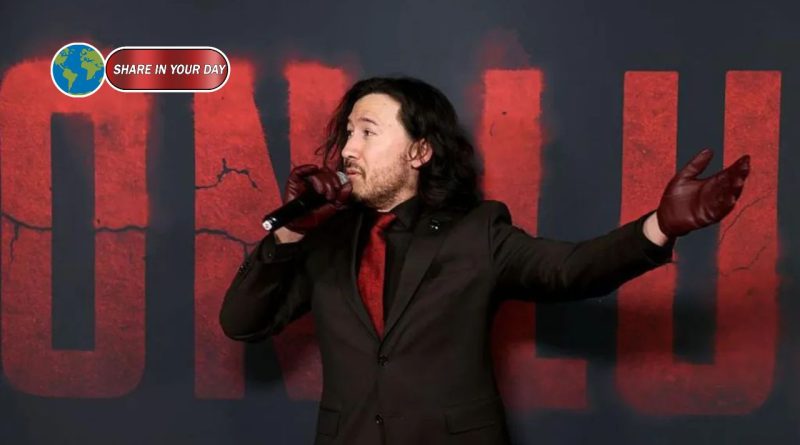
Markiplier’s ‘Iron Lung’ Emerges as Surprise Box Office Force, Marking Milestone for YouTube Creators
When Markiplier set out to adapt a cult indie horror game into a feature film, he knew one thing for certain: there would be blood.
“We knew we were going to need lots of blood,” the 36-year-old creator said, reflecting on his directorial debut, Iron Lung, a claustrophobic sci-fi thriller set in an ocean composed entirely of human blood.
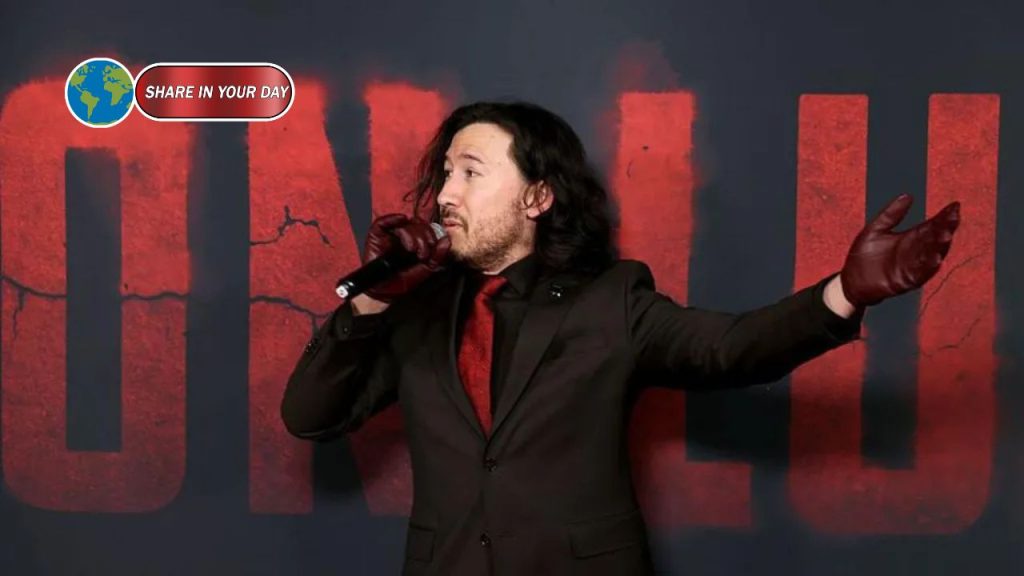
What he did not anticipate, at least publicly, was that the film would become one of the most surprising independent box office stories of the year.
A $43.5 Million Global Haul
According to data from Box Office Mojo, Iron Lung opened with $17.8 million at the U.S. domestic box office, outperforming a documentary centered on former First Lady Melania Trump, which brought in roughly $7 million during the same weekend.
The film has since grossed $43.5 million worldwide — an impressive figure for a self-financed indie horror project with no traditional studio backing.
For Markiplier, whose real name is Mark Edward Fischbach, the success represents more than ticket sales. It signals a potential turning point for digital-native creators long viewed as outsiders in the film industry.
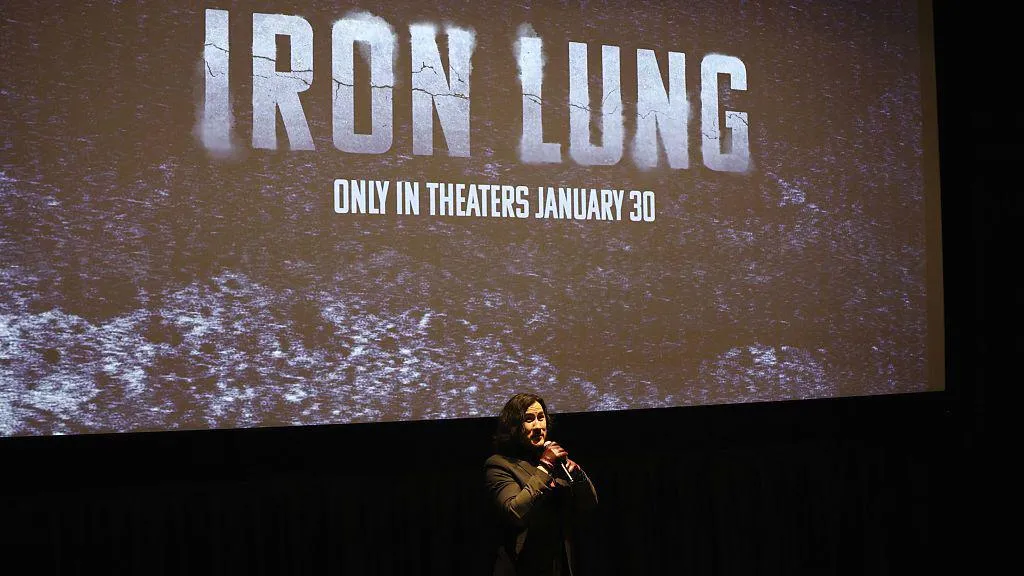
“It is a win for YouTubers,” he said from Los Angeles, where he has been attending screenings and interacting with fans. “The more that this happens, the more normalized it becomes.”
From Gaming Icon to Filmmaker
For more than a decade, Markiplier has been a dominant force on YouTube, building an audience of 38 million subscribers through gaming content, comedy sketches and long-form storytelling. But Iron Lung marks his most ambitious leap yet.
The film is based on the indie game of the same name created by developer David Szymanski. The story follows a lone convict navigating a cramped submarine — the titular Iron Lung — across a vast ocean of blood in search of missing stars and planets.
Fischbach financed, wrote, directed and starred in the adaptation, working closely with Szymanski to ensure the cinematic version respected the original game’s universe.
“It was his world,” Fischbach said. “I wanted to make sure we honored that.”
At the same time, he pushed for practical filmmaking techniques over heavy digital manipulation, emphasizing physical sets and tangible effects wherever possible.
Critical Divide, Audience Loyalty
Despite its commercial success, Iron Lung has received mixed reviews. The film holds a 61% score on Rotten Tomatoes and has drawn two-star critiques from publications including Empire and The Guardian.
Yet for longtime fans, critical ambivalence has done little to dampen enthusiasm.
Craig Fitzpatrick, a 29-year-old film reviewer from Cardiff, attended a sold-out screening during opening weekend. Within minutes, he realized this was no extended YouTube skit.
“This is a genuine, legit movie,” he said. “You can see the passion and the work that’s gone into it.”
He described packed cinemas and an atmosphere more akin to a fandom event than a typical indie horror release — a testament to the loyalty Markiplier has cultivated over 14 years online.
A Grassroots Theatrical Push
Initially, Iron Lung was slated to screen in just three theaters. But when tickets went on sale, Markiplier’s fan base mobilized.
Theaters across the U.S. were flooded with calls, emails and in-person inquiries from fans demanding showtimes. That surge in visible demand prompted major chains — including AMC Theatres, Regal Cinemas and Cinemark — to expand bookings.
“That’s when things really started to explode,” Fischbach said.
For industry observers, the episode underscores a growing shift: online creators are no longer confined to digital platforms. They can mobilize audiences at scale, translating subscriber counts into tangible box office revenue.
Blood on Screen — and Beyond
The film’s ocean-of-blood premise became part of its marketing narrative. Fischbach has said the production used more fake blood than any previous film, a claim that sparked an unexpected real-world ripple effect.
Blood donation drives were organized outside select screenings, with mobile units reporting full appointment slots as moviegoers queued to contribute. Fischbach said inspiring donations had been part of his intention — blending horror spectacle with civic engagement.
Barriers and Breakthroughs
Still, Markiplier’s trajectory is not easily replicated. He entered filmmaking with a built-in audience of tens of millions, a level of reach few aspiring directors possess.
Institutions such as the British Film Institute continue to promote access initiatives aimed at helping young people break into film and television, highlighting the structural challenges many creators face.
Even so, Iron Lung offers a visible example of what can happen when digital platforms intersect with traditional cinema.
For Fitzpatrick and others, the film’s performance feels aspirational.
“Not everyone has 30-plus million subscribers,” he said. “But it shows that if you build something and people care about it, there’s a path.”
What Comes Next
As for Fischbach, he is not planning to remain confined to horror.
“The next project might not be horror,” he said, suggesting he wants to explore comedy and drama to avoid being boxed into a single genre.
Looking back, he acknowledges that collaboration has been key to this stage of his career — a shift from the early days when he operated largely alone.
“I’d tell my younger self to open up to the skills of those around you much earlier,” he said. “You’ll be better off.”
For now, however, Iron Lung stands as proof that the boundaries between YouTube stardom and cinematic legitimacy are increasingly porous — and that independent creators, once dismissed as internet novelties, are carving out serious space on the big screen.