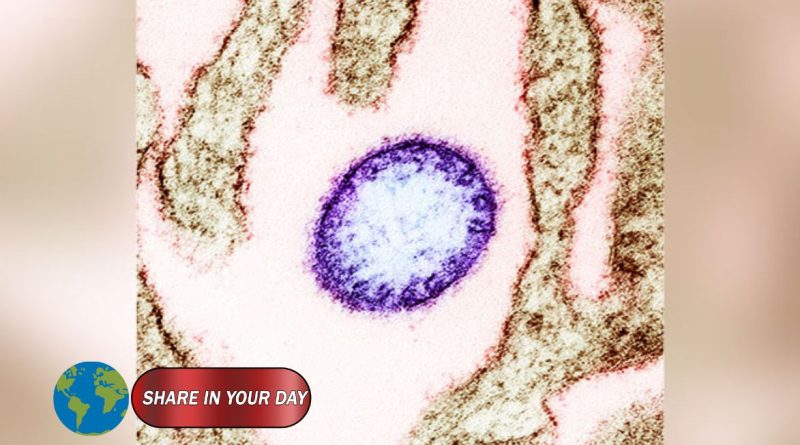
Cambodia on High Alert as Nipah Virus Cases Rise in India
Cambodia has intensified health surveillance and preparedness measures after a rise in Nipah virus infections in eastern India, amid a growing number of tourists arriving from the country, health authorities said.
The Communicable Disease Control (CDC) department confirmed that no human cases of Nipah virus have been detected in Cambodia so far, but warned that vigilance is essential given the virus’s high fatality rate and regional travel links.
“Nipah virus has not been recorded in Cambodia, but we are closely monitoring developments and strengthening our readiness to respond immediately should an outbreak occur,” the CDC said in a statement posted on its official Facebook page.
Rising Cases in Eastern India
Health officials in India are currently responding to a Nipah outbreak in the eastern state of West Bengal, where five infections have been confirmed and nearly 100 people placed under quarantine as of January 23. The cases were reported near Kolkata, the state capital, reigniting concerns across the region about the re-emergence of the deadly virus.
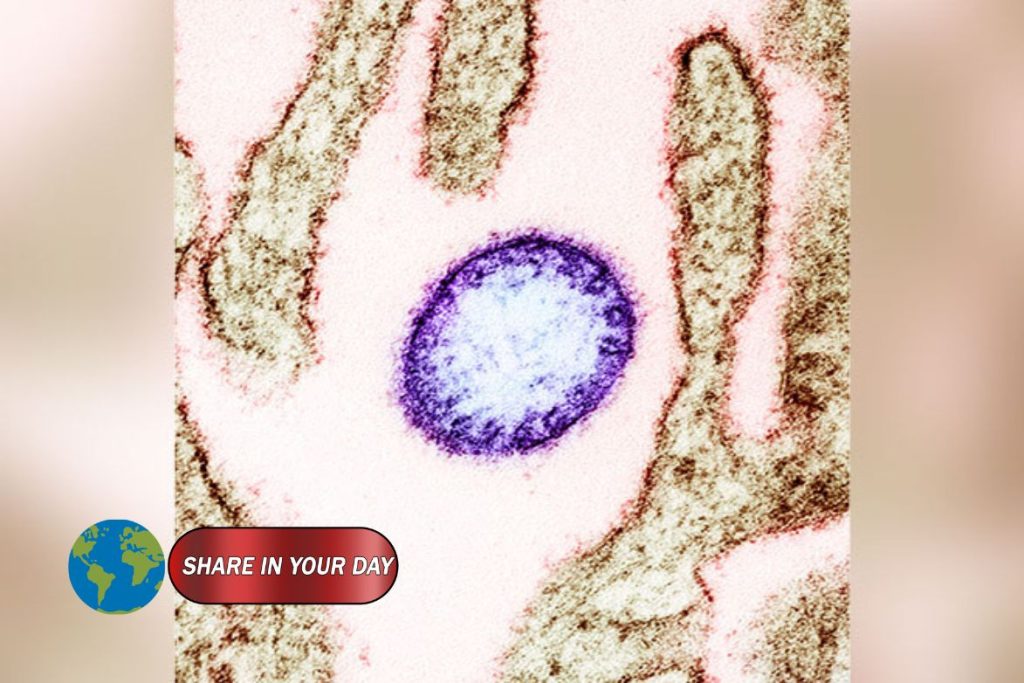
Nipah is a bat-borne virus that can be transmitted to humans through infected animals such as pigs, contaminated food, or close contact with the bodily fluids of infected individuals. The disease can cause severe respiratory illness and acute brain inflammation, with mortality rates estimated between 40% and 70%.
There is currently no approved treatment or vaccine.
Increased Travel Raises Vigilance
Cambodian authorities have placed particular emphasis on monitoring the situation due to a recent surge in Indian tourist arrivals.
Earlier this month, Tourism Minister Hout Hak reported a sharp increase in visitors from India toward the end of 2025, following the launch of new direct flight routes. These include Air Cambodia services between New Delhi and Phnom Penh, and IndiGo Airlines flights connecting Kolkata with Siem Reap.
The Angkor Tour Guide Association has also confirmed a noticeable rise in Indian tourists visiting Siem Reap since the introduction of the new air links.
While officials stressed that tourism remains safe, they acknowledged that increased cross-border travel heightens the importance of early detection and public awareness.
Public Health Guidance Issued
In a press statement issued on Sunday, the Ministry of Health urged the public to adopt preventive measures, including frequent handwashing, avoiding contact with sick animals, and refraining from consuming fruit or palm sap that may be contaminated.
The ministry also advised people to wear protective equipment when handling animals or coming into contact with bodily fluids, and encouraged citizens to stay informed through official government health channels.
Symptoms of Nipah virus typically appear between four and 14 days after exposure and may include fever, headache, cough, sore throat, and difficulty breathing. In severe cases, patients can deteriorate rapidly, developing confusion, seizures, coma, and death within 24 to 48 hours.
Experts Welcome Precautionary Measures
Cambodia Virtue Medical Association President Ouch Wuthy welcomed the government’s alert, emphasizing the seriousness of the virus and the need for collective responsibility.
“This virus does not discriminate between rich or poor. If it spreads, it poses a serious health risk to our people,” he said. “It is good that the Ministry is warning communities, especially those with Indian residents, to remain vigilant and protect themselves.”
Wuthy added that preventing cross-border transmission requires cooperation between citizens and institutions, expressing confidence that Cambodia has systems in place to detect and contain potential outbreaks.
As regional health authorities continue to monitor the situation in India, Cambodian officials say preparedness and public awareness remain the country’s strongest defense against the deadly virus.