FAA Warns of GPS Hazards and Flight Risks Over Venezuela Amid Rising U.S.–Venezuela Tensions
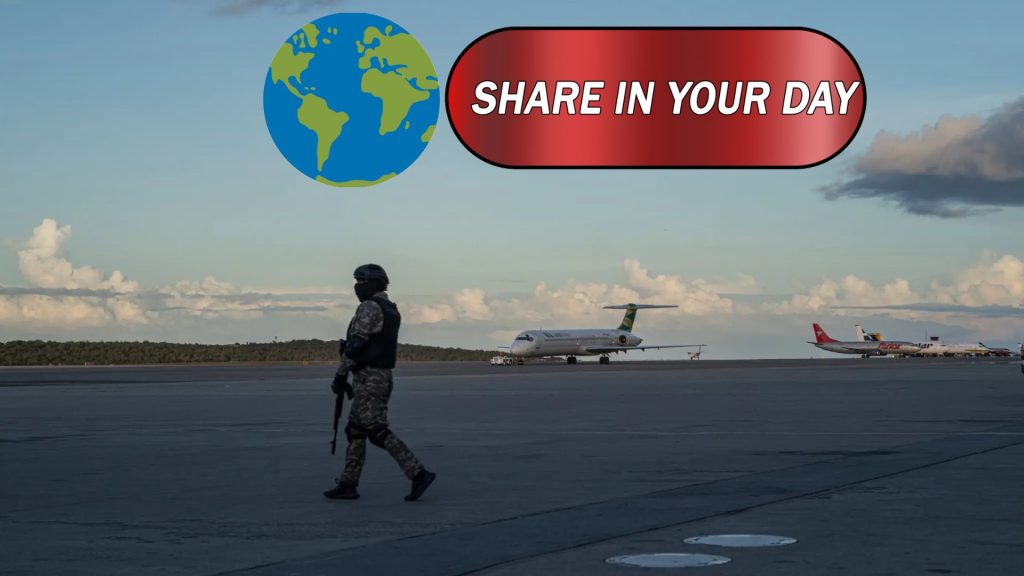
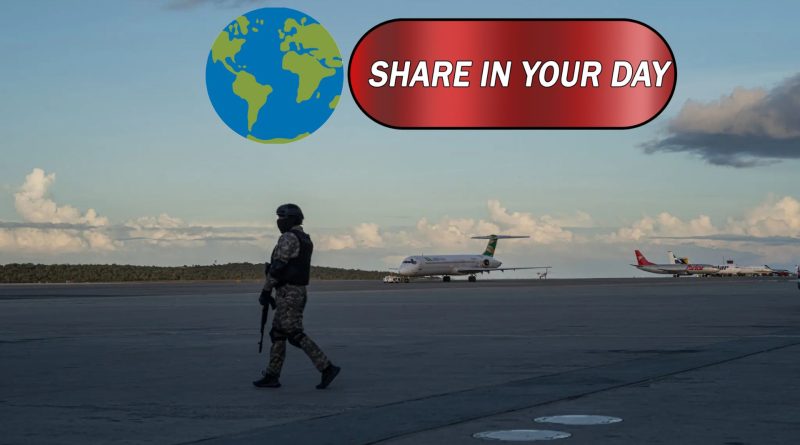
The U.S. Federal Aviation Administration (FAA) has issued urgent advisories to airlines and pilots about flying over Venezuelan and adjacent Caribbean airspace, citing an escalating risk to navigation systems and aircraft safety.
In recent months, flights over the Maiquetía Flight Information Region — which covers Venezuela and parts of the southern Caribbean — have been marked by increasing interference with Global Navigation Satellite Systems (GNSS), including GPS. The FAA’s security notice highlights that such interference can degrade critical navigation, surveillance and communication systems relied on in modern aviation, potentially affecting aircraft at cruising altitudes as well as during takeoff and landing.
The advisory, first issued in late November and reinforced in mid-December, warns that the security situation and heightened military activity around Venezuela could create conditions hazardous to civil aviation. Airlines are urged to exercise caution when planning flight paths that traverse or approach Venezuelan airspace, and U.S. operators are required to submit advance notice to the FAA before flying through the region.
In response to the advisory, several major carriers have suspended their operations to and over Venezuela. Airlines including TAP Air Portugal, LATAM, Avianca, Iberia, Gol and Caribbean Airlines have indefinitely halted flights, and Turkish Airlines temporarily paused service earlier in the alert period. The suspensions signal growing industry concern about safety and regulatory uncertainty.
Complicating matters, a recent incident underscored the dangers of congested skies near Venezuela. On December 12, 2025, a JetBlue Airbus A320 en route from Curaçao to New York City narrowly avoided a mid-air collision with a U.S. Air Force refueling tanker. The military aircraft reportedly was not broadcasting a transponder signal, making it invisible on civilian radar and forcing the commercial crew to take evasive action. Lawmakers have since criticized the lack of mandatory positioning systems on military flights that share airspace with civilian traffic.
The warnings come against a backdrop of intensifying geopolitical tensions. The U.S. has deployed a substantial military presence in the southern Caribbean, including the carrier USS Gerald R. Ford strike group, as part of broader pressure on Venezuelan President Nicolás Maduro — whom the U.S. accuses of ties to drug trafficking and governance failures. While the FAA’s notice focuses on aviation safety rather than overt conflict, the region’s political volatility has transformed what were once routine flight corridors into areas of operational concern.
Pilots and airlines now face a complex calculus balancing safety, regulatory compliance and geopolitical risk. Until there is a notable de-escalation in military activity and electronic signal stability, the skies above Venezuela and the adjacent Caribbean will remain under heightened scrutiny — and caution — from the international aviation community