Cambodia Slams Thailand for Bombing Historic Ta Krabey Temple Amid Border Clashes
Cambodia’s Ministry of Culture and Fine Arts has strongly condemned recent airstrikes by the Thai military that resulted in the significant damage to Ta Krabey Temple, a sacred cultural site in the country’s contested border region. The strikes, which occurred amid escalating border clashes, have triggered widespread outrage, with calls for international intervention from UNESCO, ASEAN, and other global bodies.
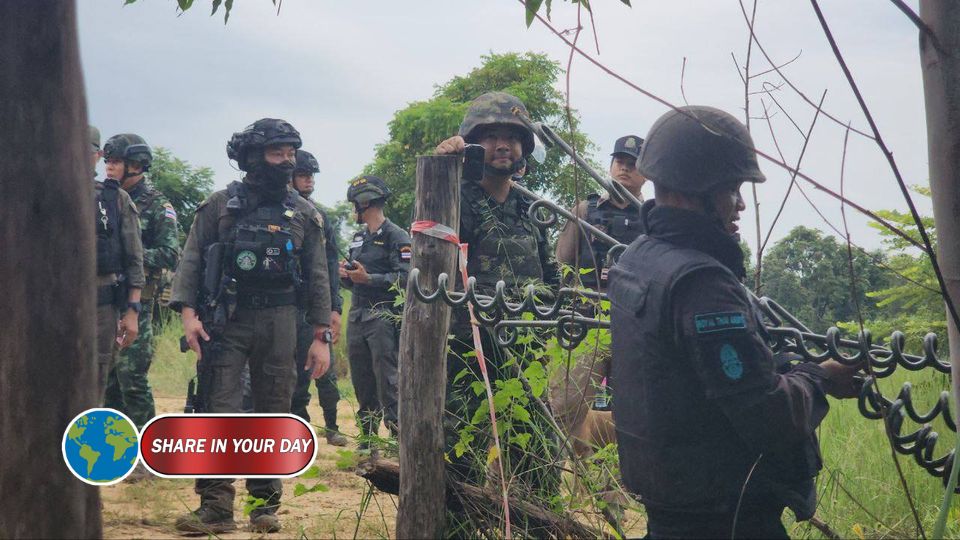
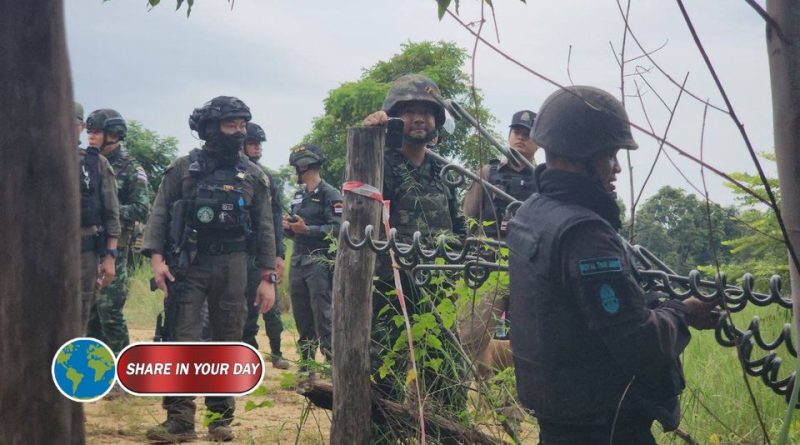
Thai soldiers have expanded operations along the Cambodia–Thailand border on 17 September 2025
In a statement issued today, the Ministry of Culture described the attacks as “immoral” and “reprehensible,” accusing Thailand of showing a “blatant disregard for culture, civilization, and the sacred heritage” of the region. The destruction of Ta Krabey Temple has sparked anger in Cambodia, as the site is considered an invaluable part of the nation’s cultural and historical identity.
Video Evidence of the Attack
A video released by the Ministry of Culture on its official Facebook page showed Thai military forces firing bombs directly at Ta Krabey Temple. The footage, which captures the aerial bombardment, demonstrates the complete destruction of the temple. The Ministry emphasized that Ta Krabey is not only a religious site but a monument built and preserved by Khmer ancestors over the centuries. As such, the damage to the temple is seen as an attack on Cambodia’s cultural heritage and its historical legacy.
The timing of the attack is particularly troubling, coming just one day after another sacred Cambodian site, Preah Vihear Temple, was also targeted. On December 7, F-16 fighter jets and heavy artillery fired into Cambodia’s Preah Vihear and Oddar Meanchey provinces, damaging conservation facilities that were part of a joint preservation project with India.
The Escalating Conflict and Civilian Impact
The renewed military activity along the Cambodia-Thailand border has raised serious concerns, not only for the protection of heritage sites but also for the safety of civilians. The Ministry of Culture’s statement pointed out the indiscriminate nature of the attacks, which have extended beyond military targets to civilian areas. Since the beginning of the border clashes, at least seven Cambodian civilians have been killed, and over 16,000 families have been forced to evacuate from the region, leaving more than 54,000 people displaced.
Schools along the border have been closed, and key infrastructure has been damaged, further complicating the humanitarian crisis. The Cambodian government has also reported widespread damage to homes, agricultural land, and local businesses.
International Calls for Action
The Cambodian Ministry has called for urgent international intervention to address the situation. In its statement, the Ministry appealed to UNESCO, ASEAN, and other cultural and humanitarian organizations to “unequivocally condemn” Thailand’s actions and to apply pressure on the Thai military to stop further attacks. Cambodia’s Ministry of Culture is also urging the international community to help prevent further damage to its cultural heritage and ensure accountability for the destruction of the Ta Krabey Temple.
“National and international intervention is urgently required,” the Ministry said, stressing the need for both immediate action and long-term measures to safeguard heritage sites. Cambodia also emphasized that the destruction of Ta Krabey Temple and other affected landmarks must be documented as part of the “historical record of humanity.”
A Broader Geopolitical Crisis
The recent border clashes between Cambodia and Thailand have intensified after a period of relative calm. These events have triggered broader geopolitical tensions, as both nations dispute the exact demarcation of their shared border. The damage to culturally significant sites such as Ta Krabey and Preah Vihear only exacerbates the already fragile diplomatic relations between the two nations.
Prime Minister Hun Sen’s government has signaled its intent to take legal action against Thailand, using both national and international mechanisms to hold Thailand accountable for its military actions. The Cambodian government has vowed to pursue justice for the destruction of its heritage, with the Ministry of Culture emphasizing that the “sacred cultural sites of Cambodia” must be protected for future generations.
The Role of ASEAN and UNESCO
The role of international organizations such as ASEAN and UNESCO has been underscored as critical in addressing the growing tensions. ASEAN, in particular, has been called upon to facilitate dialogue between the two nations to de-escalate the situation and ensure respect for cultural heritage under international law.
UNESCO, as the global body responsible for the protection of cultural sites, has been urged to take a more active role in ensuring that Cambodia’s ancient temples, which are designated World Heritage sites, are protected from military damage.
Looking Ahead: A Call for Accountability
As the situation unfolds, Cambodia is committed to documenting the destruction of Ta Krabey Temple and holding those responsible accountable. The Cambodian government has made it clear that the preservation of its cultural heritage is non-negotiable, and it will use every avenue available to secure justice.
For now, the focus remains on securing international support and putting pressure on Thailand to cease its military actions along the border. While the diplomatic path forward remains uncertain, Cambodia’s call for justice resonates not only for the protection of its ancient sites but also for the broader principle of safeguarding cultural heritage globally.