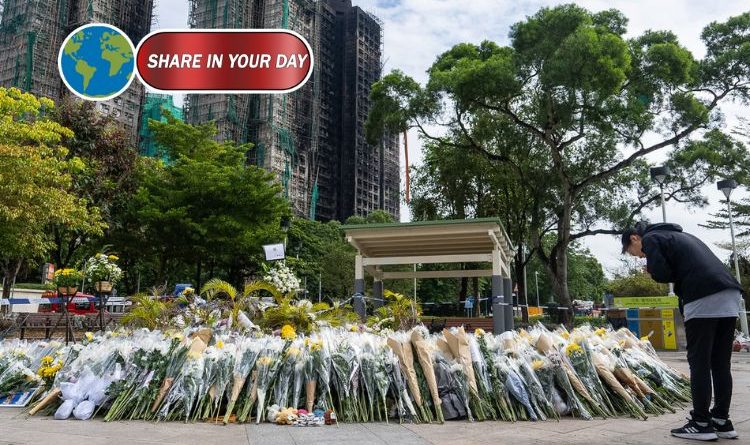
Hong Kong Fire Tragedy: Manslaughter Charges Filed Amid Uproar Over Civilian Arrests
HONG KONG — Authorities in Hong Kong have arrested 13 individuals on suspicion of manslaughter following last week’s catastrophic fire at the Wang Fuk Court estate in Tai Po, an incident now confirmed as the city’s deadliest blaze in 75 years. However, the official crackdown on negligence has been overshadowed by growing local criticism over the detention of at least two civilians who dared to call for accountability from officials.
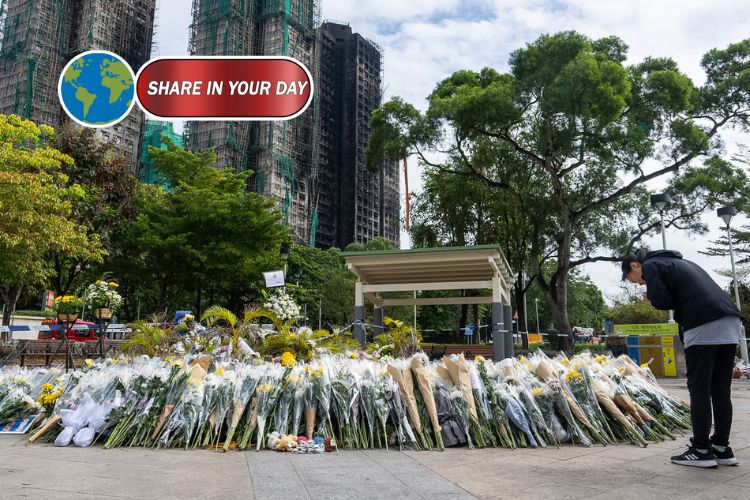
The death toll from the inferno has tragically climbed to 151, with search efforts continuing across the seven towers for approximately 40 people still missing.
Focus Shifts to Corporate Negligence and Substandard Materials
The devastating scale of the fire has been linked directly to extensive renovation work ongoing at the residential complex, which houses almost 5,000 people. Initial community outrage has targeted alleged past safety violations by the contracted construction company and lax enforcement, fueled by revelations that residents had been complaining about the renovations for over a year.
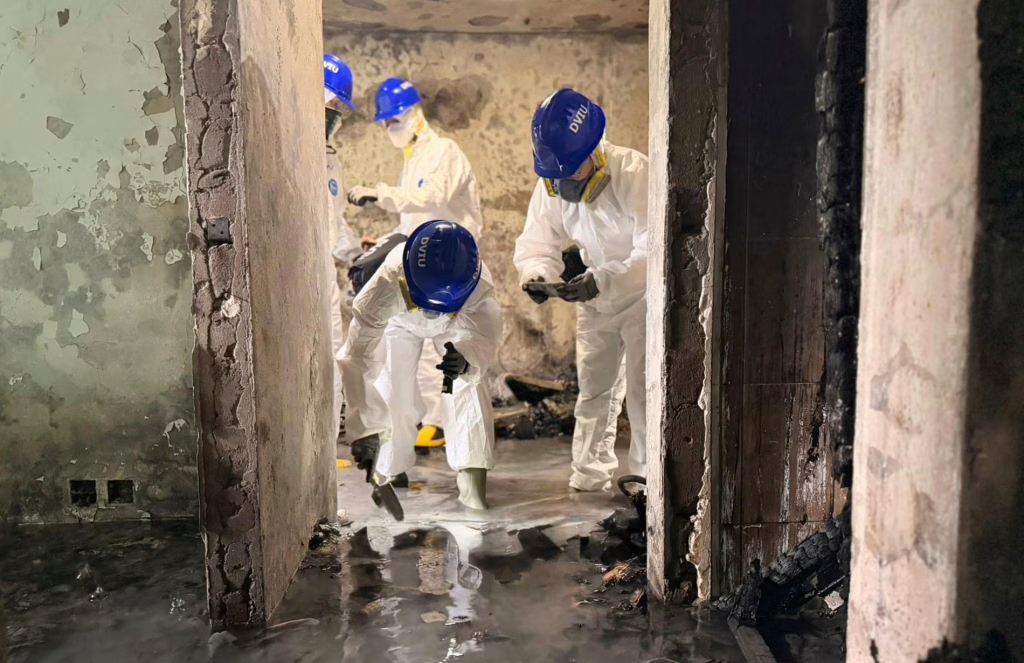
On Monday, anti-corruption authorities confirmed the arrest of 13 people, including directors and an engineering consultant from the construction company, noting they had “immediately begun comprehensive investigation along the lines of manslaughter.”
Hong Kong’s Chief Secretary, Eric Chan, offered damning details regarding the materials used at the site. Testing revealed that seven out of 20 samples of the mesh netting used in scaffolding failed to meet fire-retardant standards. Chan alleged that cheaper, noncompliant netting was intentionally installed in hard-to-reach areas to evade detection, describing the act as “shameful.”
“They just wanted to make money at the expense of people’s lives,” Chan stated publicly.
Arrests Under National Security Law Spark Concern
As allegations of safety violations mounted against the private sector and government agencies faced questions over unenforced warnings, residents began demanding why no officials had faced consequences. This atmosphere of dissatisfaction was swiftly met with enforcement actions elsewhere, as national security police reportedly arrested two civilians.
The detentions highlight the tight control over public discourse in the city, particularly since the 2019 protests were quelled.

Among those detained was Miles Kwan, a Hong Kong student, who was reportedly arrested on Saturday over an online petition demanding four actions: guaranteed support for the victims and accountability for any corrupt or culpable government officials. Local media reported the charge as “seditious intention.” Kwan was seen leaving a police station on Monday afternoon. Separately, former district councilor Kenneth Cheung was also reported arrested on Sunday evening.
When pressed about the detentions, Secretary of Security Chris Tang refrained from confirming details, citing national security, but stated there had been “inaccurate comments online” intended to threaten national security, justifying the use of “law enforcement measures.”
Community Reaction: Stability Trumps Questioning
On social media platforms, the arrests of citizens calling for official scrutiny drew sharp criticism and uneasy comparisons to policies in mainland China.
One commenter wrote that Hong Kong now appeared to be aligning with a mainland approach: “by dealing with the person who raises the question, no one will dare to ask questions, and thus Hong Kong’s governance will have no problems.” Another noted that the arrests came despite the bodies of victims still being recovered, concluding that “National security must be prioritised even if the dead are still buried in the building.”
The arrests followed earlier warnings from national security authorities promising to crack down on anyone attempting to use the tragedy to incite “anti-China” sentiment. While initial community response saw hundreds of spontaneous volunteers rapidly mobilize aid and essentials—a level of organization not witnessed since the 2019 protests—armed police soon began patrolling the area, and government officials quickly took over logistics from the civilian organizers.
The petition that reportedly led to Kwan’s arrest did not call for political change, but the structure of its “four demands” deliberately echoed the language of the protest movement, indicating the heightened sensitivity authorities hold over any organized public challenge.