Massive Fraud in Minnesota’s Social-Service System — What Happened
Authorities say that over the past several years, more than US$1 billion was taken from Minnesota’s publicly funded welfare and social-service programs through a web of fraudulent companies and fictitious bills.
At the center of the scandal is Feeding Our Future — a nonprofit founded during the COVID-19 pandemic to feed schoolchildren. Instead of delivering meals, defendants submitted fake invoices claiming millions of meals served. At least tens of millions of dollars were siphoned off, with proceeds used to buy luxury cars and real estate.
Meanwhile, another program — Housing Stabilization Services (HSS), which was supposed to aid vulnerable people with housing support — was also exploited. Prosecutors say fraudulent providers filed Medicaid claims for services that were never delivered.
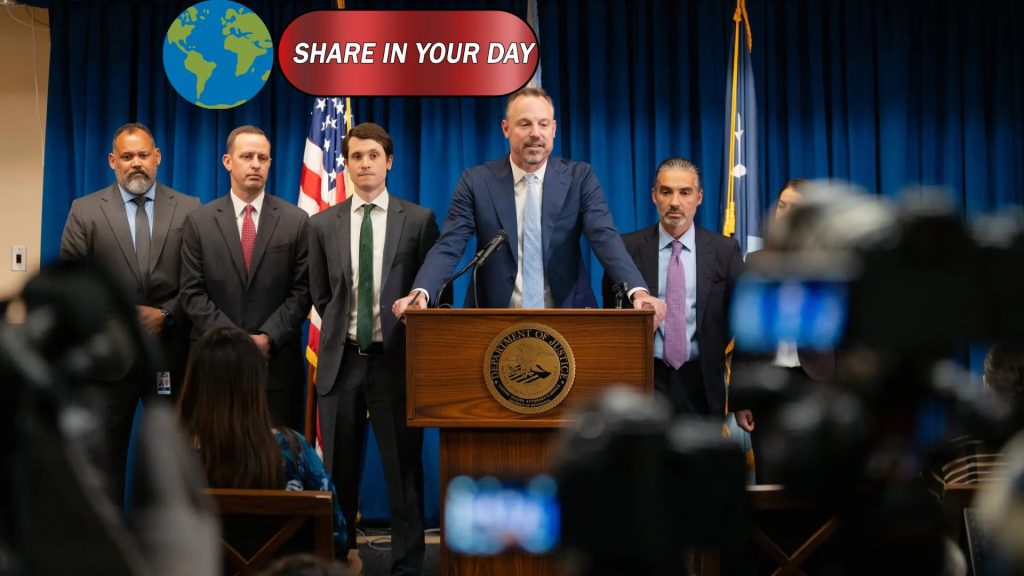
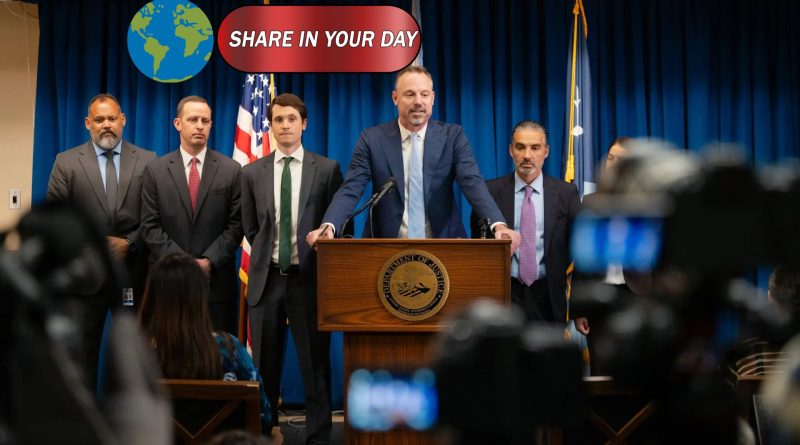
Federal investigators report that dozens have now been indicted and more than 50 individuals have pled guilty for their roles in these schemes.
According to court documents, many of the fraudulent businesses behind the billing were established within — or operated by — members of Minnesota’s Somali-American community.
Scale, Patterns and Allegations
- Prosecutors say the fraud wasn’t limited to one program: it impacted child nutrition, autism-therapy reimbursements, housing support, and other social-service efforts.
- Much of the money was allegedly funneled through shell companies, fictitious invoices and sham nonprofits that existed only on paper — in many cases, with no services ever rendered.
- Some of the proceeds were reportedly sent overseas through informal money-transfer networks (hawalas), eventually ending up in Somalia — and, according to some sources, in the hands of the militant group Al-Shabaab.
These allegations have provoked sharp political reactions, including calls from some lawmakers for deeper federal investigations into possible links to international terrorism.
Political Fallout and Public Response
The scandal has placed serious pressure on state officials, especially Tim Walz, the governor of Minnesota, under whose administration these programs were overseen. Critics argue oversight was inadequate, enabling fraud to flourish.
At the same time, the heavy focus on fraud linked to the Somali-American community has sparked controversy and concern around broader social and ethnic consequences. Some community leaders and advocates warn the cases are being used to stigmatize a whole group — rather than hold individuals accountable.
Supporters of victims — and some Somali Americans who say they played no part — argue that many are being unfairly targeted or “guilty by association.”
What Comes Next
Federal prosecutors continue to investigate and bring charges: more indictments are expected.
Meanwhile, discussions are unfolding around how to reform oversight of social-service programs — to prevent misuse — while avoiding sweeping blame onto a broader immigrant community. Some argue for stronger audits, tighter vetting of nonprofits, and better transparency.
Whether the public outcry and legal actions will lead to meaningful change in how welfare programs are managed remains to be seen