U.S. $11 Billion Arms Sale to Taiwan Sends Strategic Signal to China
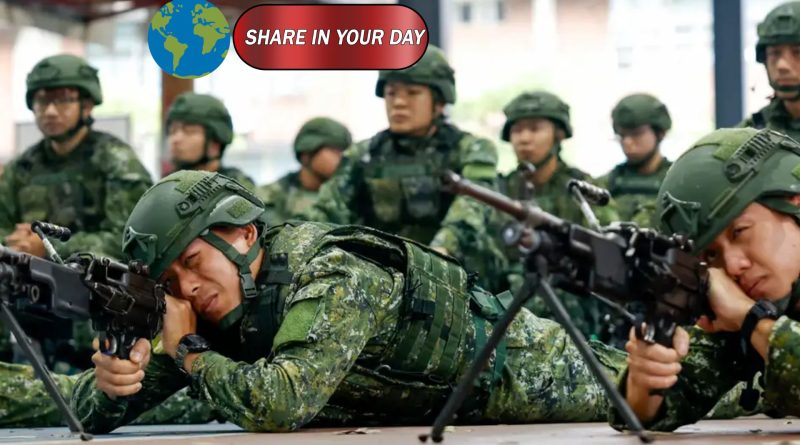
The United States has unveiled a significant arms sales package to Taiwan valued at approximately $11.1 billion, marking one of the largest weapons deals in years and underscoring Washington’s strategic posture in the Indo‑Pacific. The package includes sophisticated systems such as high‑mobility rocket launchers, self‑propelled howitzers, drones, and anti‑tank missiles, all designed to strengthen Taiwan’s defensive capabilities against potential threats.
The U.S. State Department has stated that the sales support “U.S. national, economic and security interests by assisting Taiwan in modernizing its armed forces and maintaining a credible defensive capability.” Officials insist that enhancing Taiwan’s self‑defense aligns with long‑standing U.S. commitments under the Taiwan Relations Act, which obligates Washington to help Taipei maintain sufficient means to deter aggression.
Beijing’s Strong Condemnation
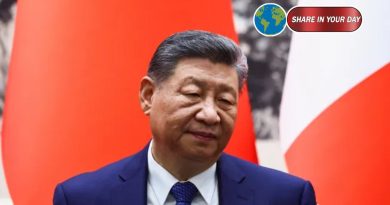
Beijing reacted forcefully to the announcement, denouncing the deal as a violation of the one‑China principle and foundational diplomatic agreements between the United States and China. Chinese foreign ministry and defense spokespeople accused Washington of undermining China’s sovereignty and territorial integrity and warned that the arms sale sends an “erroneous signal” to separatist forces in Taiwan. China vowed to take “resolute and forceful measures” to protect its core interests, illustrating deepening tensions over cross‑Strait security.
Chinese commentary framed the transfer of advanced weaponry as destabilizing for regional peace and stability, cautioning that such actions risk turning Taiwan into a strategic “powder keg.” Beijing called on the U.S. to cease arms sales immediately, emphasizing that military support for Taiwan’s independence agenda would only backfire.
Taiwan’s Response and Regional Implications
Taipei has welcomed the sale as a vital enhancement of its defensive posture amid ongoing pressure from Beijing. Taiwanese officials have expressed gratitude, noting the importance of robust deterrent capabilities as part of maintaining peace in the Taiwan Strait. The island’s government is also moving forward with plans to expand its own defense budget, including investments in advanced missile defense systems.
Analysts say the timing and scale of the arms package signal a broader shift in U.S. policy toward a more assertive stance on Taiwan’s security, even as Washington continues diplomatic engagement with China. The transaction may complicate efforts to ease U.S.–China tensions, particularly as leadership in both capitals balance economic cooperation with strategic rivalry in the broader Indo‑Pacific region.
What Comes Next
The arms deal is subject to a 30‑day review by the U.S. Congress, a routine process for Foreign Military Sales. Given strong bipartisan support for Taiwan’s security in Washington, approval is widely expected. Meanwhile, Beijing’s stern warnings suggest the potential for elevated military and diplomatic responses in the weeks ahead — a development that underscores the delicate balance of deterrence and diplomacy in U.S.–China–Taiwan relations