( VIDEO )Cambodia’s Hun Manet Accuses Thailand of Occupying Territory Despite Trump-Brokered Ceasefire
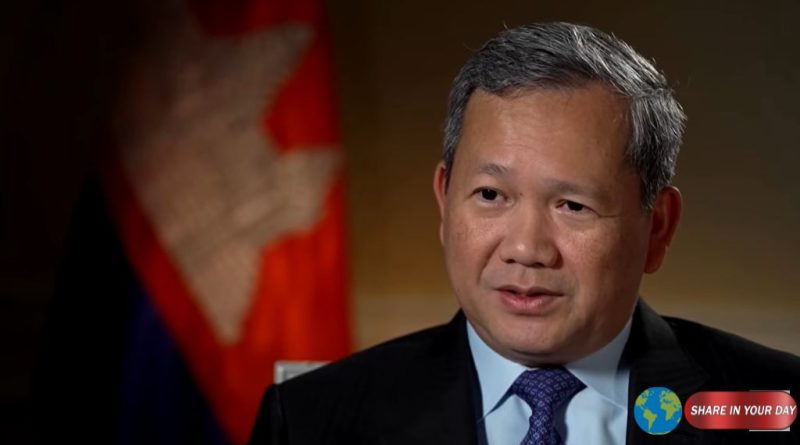
WASHINGTON — Cambodian Prime Minister Hun Manet has accused Thailand of occupying Cambodian territory months after a ceasefire brokered by U.S. President Donald Trump, warning that the situation along the disputed border remains “fragile” despite a formal halt to hostilities in December.
In his first interview with international media since taking office in 2023, Hun Manet told Reuters that Thai forces remain positioned “deep into Cambodian territory in many areas,” calling it a violation of his country’s sovereignty and territorial integrity.
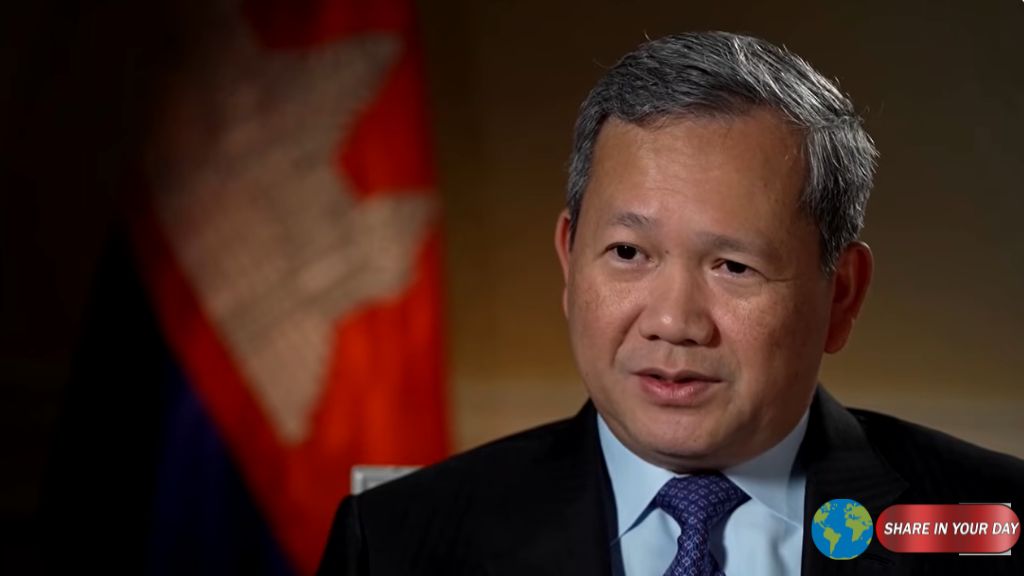
“We still have Thai forces occupying deep into Cambodian territory in many areas,” he said during a visit to Washington, where he attended a meeting of Trump’s newly established Board of Peace. “This is not an accusation but a statement of the facts on the ground.”
Thailand has denied the claim, insisting its troop deployments comply with the December ceasefire agreement and represent no new reinforcements.
A Fragile Peace
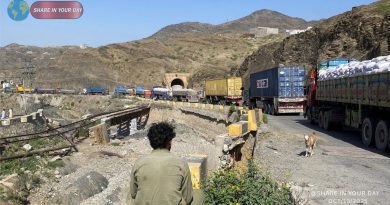
The border conflict, which erupted into the worst fighting in more than a decade last July, displaced hundreds of thousands and disrupted trade across the 817-kilometer frontier separating the two Southeast Asian neighbors.
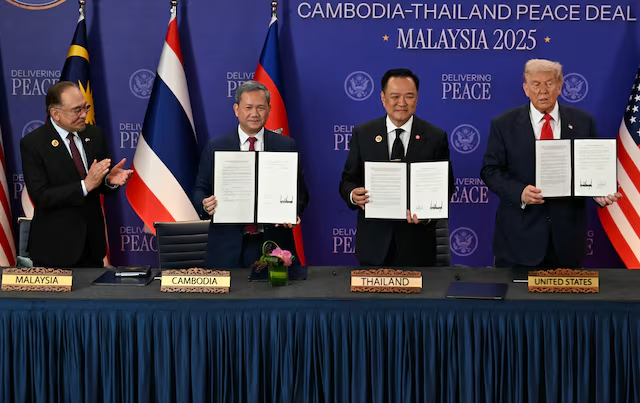
An earlier peace accord signed in October — facilitated by Trump and Malaysian Prime Minister Anwar Ibrahim — collapsed within weeks. A renewed ceasefire was reached on December 27, but tensions have lingered.
Hun Manet described the current truce as fragile, suggesting that without concrete steps toward demarcating the contested boundary, the risk of renewed clashes remains.
At the heart of Cambodia’s complaint is the alleged presence of Thai troops beyond what Phnom Penh considers even Thailand’s own previously claimed border line. According to Hun Manet, Thai forces have erected shipping containers and barbed wire barriers in areas long recognized as Cambodian territory, preventing displaced residents from returning home.
Bangkok has rejected the accusation. Thai Defense Ministry spokesperson Rear Admiral Surasant Kongsiri told Reuters that Thailand is adhering to the joint statement that called for maintaining existing troop deployments as part of de-escalation measures.
Call for Boundary Demarcation
Hun Manet urged Thailand to activate the Joint Boundary Commission (JBC), a bilateral technical mechanism established under previous treaties to formally demarcate the border.
“The only way to verify that is using the technical mechanism that we have, based on treaties, based on all the agreements we have,” he said. “So we hope that Thailand will agree and start to allow the JBC to work as early as possible.”
Thailand has cited its February 8 general election as a reason for delaying formal boundary discussions. The vote brought nationalist momentum to Thai Prime Minister Anutin Charnvirakul, whose campaign was shaped in part by the border crisis.
Hun Manet said that with the election concluded, there should be no further obstacles to launching technical demarcation in what he described as “hot zones” along the frontier. A Thai defense ministry spokesperson indicated that the JBC could convene once a new government is fully formed.
Warmer Ties with Washington
Hun Manet’s visit to Washington reflects a broader recalibration in Cambodia’s foreign policy.
The 48-year-old leader, a graduate of the United States Military Academy at West Point, succeeded his father, longtime ruler Hun Sen, after elections in 2023 in which the ruling Cambodian People’s Party faced little meaningful opposition.
His rise to power, coupled with Trump’s involvement in brokering the ceasefire, has opened the door to warmer ties between Washington and Phnom Penh after years of strained relations.
Cambodia had moved closer to China in recent years, particularly through Beijing’s support for the expansion of the Ream Naval Base. The project fueled U.S. concerns that the facility could give China a strategic foothold in the Gulf of Thailand.
Hun Manet dismissed suggestions that Cambodia must choose between Washington and Beijing.
“As for Cambodia, to choose a relationship — China or U.S. or U.S. over China — is not our choice,” he said. “We are a sovereign country. We pursue the policy of friends with all countries.”
Cyber Scam Crackdown and Human Rights
Beyond the border dispute, Hun Manet sought to address criticism over Cambodia’s human rights record and its role as a hub for online scam operations.
Last year, the U.S. Treasury imposed sanctions on individuals linked to cyber fraud compounds operating within Cambodia. These centers have been associated with large-scale online scams, including romance and investment schemes targeting victims worldwide.
Hun Manet acknowledged the problem but rejected suggestions that his government tolerated such activity.
“Yes, they exist. They have been existing. Does that mean that we allow them, we endorse them or we do nothing? No,” he said, citing efforts to close compounds and deport individuals involved in the schemes. He added that Cambodia was drafting legislation aimed at tackling cyber fraud more comprehensively.
On the issue of democracy and press freedom, Hun Manet argued that governance should not be judged solely by the number of political parties operating in a country.
“Democracy is not just defined by political party expression, but health, education, freedom of press and others,” he said.
Press freedom advocates have painted a different picture. In its most recent World Press Freedom Index, Reporters Without Borders ranked Cambodia 161 out of 180 countries, citing detentions and pressure on journalists.
Risk of Renewed Conflict
Despite diplomatic efforts, including Trump’s continued promotion of the ceasefire as a foreign policy success, the border remains tense.
For communities along the frontier, the stakes are immediate: homes abandoned, farmland inaccessible and trade routes disrupted. For both governments, the dispute has become entangled with domestic politics and national identity.
Hun Manet’s appeal for technical demarcation reflects a calculation that only a treaty-based solution can prevent another escalation. Whether Bangkok shares that urgency remains to be seen.
For now, the December ceasefire holds — but as both sides trade accusations and await the activation of the Joint Boundary Commission, the peace along the Cambodia-Thailand border appears more provisional than permanent.