How China’s Rare Earth Strategy Redefined U.S.–China Economic Competition in 2025
2025 may be remembered as the year the U.S. and China’s economic rivalry shifted into a new phase, not through battlegrounds or warships — but through critical minerals essential to modern technology. Central among these is the family of metals known as rare earth elements, indispensable to everything from smartphones and electric vehicles to advanced defense systems.
The U.S. Trade Offensive
The year began with Washington intensifying trade measures aimed at China. The outgoing Biden administration introduced sweeping export controls on semiconductor technology, reflecting deepening concern about Beijing’s progress in artificial intelligence and high-tech industries. When President Donald Trump returned to the White House, he escalated these tensions, imposing tariffs of up to 145% on Chinese imports while citing national security concerns and alleged unfair trade practices.
This aggressive posture, however, strained U.S. markets and proved difficult to sustain politically and economically.
China’s Strategic Counters
China’s response was swift and consequential. Beyond imposing its own tariffs and restricting purchases of U.S. agricultural products, Beijing moved to control the flow of rare earth metals, which make up the backbone of many high-tech supply chains.
Chinese export curbs — particularly targeting heavy rare earths and advanced permanent magnets — triggered alarm in Washington due to the U.S.’s near-complete dependence on Chinese processed rare earths. Analysts warned that even short disruptions could jeopardize industries from defense manufacturing to renewable energy.
Notably, China’s decisions weren’t simply reactive trade war measures. By requiring special export licenses for certain key minerals and linking approvals to end-use, especially in defense applications, Beijing wielded rare earths as a geopolitical lever.
A Diplomatic Reset
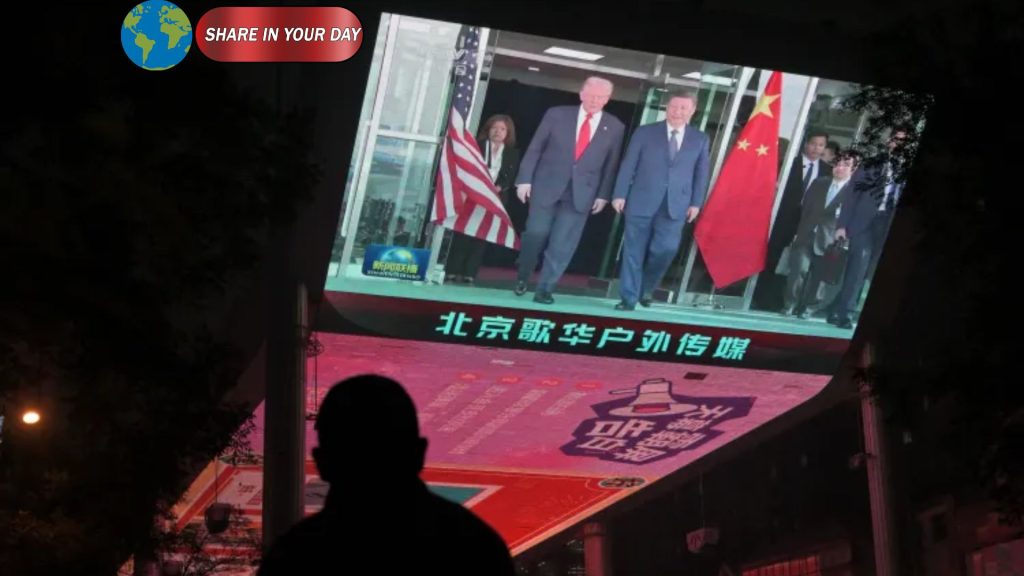
By October, with economic backlash mounting in both countries, Trump and Chinese President Xi Jinping agreed to de-escalate some tensions, including a temporary pause on rare earth export restrictions for one year. Trade resumed in key areas — including resumed agriculture purchases — and Washington eased some chip export limits.
Despite this temporary détente, analysts believe that rare earths will remain a strategic component of China’s broader economic statecraft, shaping future negotiations and potential retaliatory options.
Long-Term Implications
The rare earth episode underscored a deep structural vulnerability in U.S. supply chains. For decades, economic integration favored efficiency over resilience, leaving Washington highly reliant on foreign sources for critical materials. China’s market dominance in rare earth refining — controlling the bulk of global processing and magnet manufacturing — gave it a level of leverage few policymakers fully anticipated.
In response, the United States has accelerated efforts to diversify supply lines, invest in domestic production, and partner with allied nations rich in critical minerals. These measures mark a strategic shift toward reshoring and alliance-based resource security, though real independence from Chinese supply chains could take years.
The New Economic Frontier
The events of 2025 illustrate how economic competition between great powers now extends into raw materials and supply chains, not just tariffs and trade balances. Rare earths — once obscure constituents of complex technologies — have become instruments of leverage, revealing how resource control can shape global influence without firing a shot