First Thoughts on the New Iran War
For weeks, speculation swirled in Washington and across foreign policy circles: was the United States drifting toward war with Iran, or steering deliberately into it?
The question sharpened in late December, as violence inside the Islamic Republic intensified and rhetoric from the White House grew more forceful. By early January, President Donald Trump appeared to oscillate between stern warnings and renewed talk of negotiations. Calls for a “better deal” with Tehran followed statements that many interpreted as veiled regime-change language.
Now, with U.S. military operations underway as of February 28, 2026, that ambiguity has largely evaporated.
Drift or Design?
Two competing narratives defined the early weeks of the crisis.
One suggested that unfolding events inside Iran — including a brutal crackdown between January 8 and January 10 — forced Washington’s hand. Under this view, the administration’s initial rhetoric was reactive, even improvisational. References to deal-making may have reflected a search for diplomatic off-ramps amid mounting tensions.
The alternative interpretation now appears more plausible to many analysts: that the White House made a strategic decision in early January and used the ensuing weeks to prepare quietly for a coordinated campaign. Military assets were repositioned across the region. Naval groups moved into place. Air power was reinforced. Intelligence coordination intensified.
If so, the diplomacy of January and early February was less dithering than delay — a pause designed to align capabilities before the opening move.
Declared Objectives
In a late-night address announcing the beginning of hostilities, Trump outlined the administration’s stated goals: the elimination of Iran’s ballistic missile program, the dismantling of its nuclear infrastructure, and the neutralization of its navy and offensive military capacity.
Notably absent was an explicit call for regime change.
Instead, the president framed the mission as a campaign to degrade command, control, communications and military assets. The implication was clear: weaken the regime to the point of strategic paralysis, but stop short of an occupation.
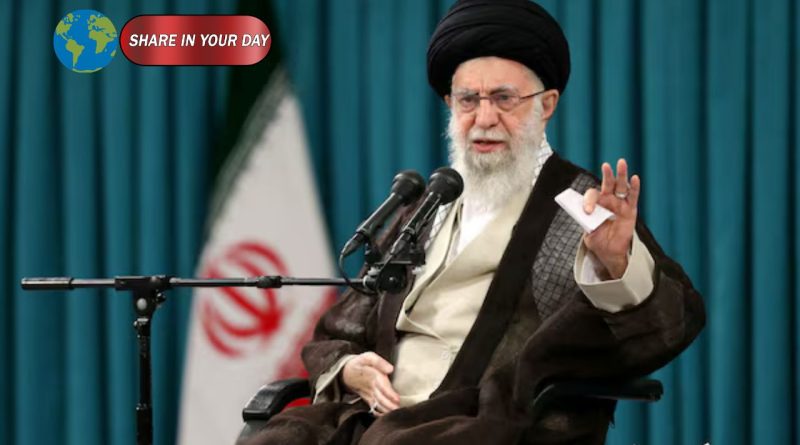
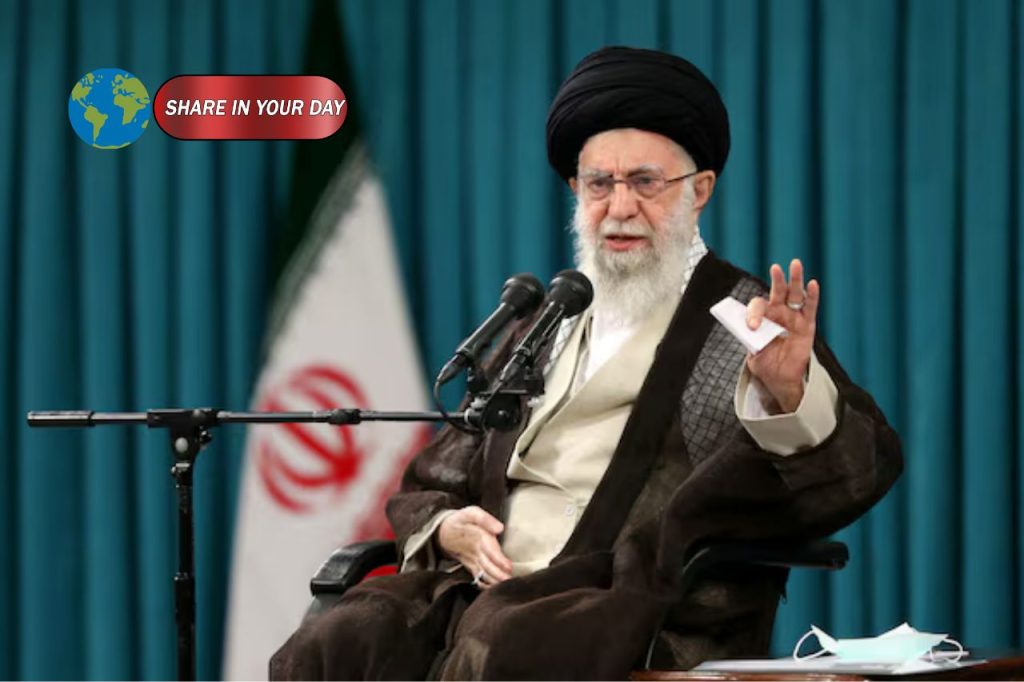
That distinction matters. A formal regime-change war would likely require ground forces entering Tehran, removing Supreme Leader Ali Khamenei and dismantling the clerical establishment directly. The administration has signaled no such intention.
Rather, the strategy appears calibrated toward decapitation of military capability — leaving political change, if it comes, to internal forces.
The Regime Change Debate
The debate over regime change has haunted U.S. foreign policy for decades, particularly after the experience of Iraq. Advocates argue that leaving authoritarian structures intact risks future instability. Critics counter that direct intervention often produces unintended consequences.
In this case, the White House is threading a narrow path: degrade the regime’s coercive instruments without assuming responsibility for governing a fractured nation of more than 80 million people.
Supporters say this approach avoids the pitfalls of occupation while maximizing pressure. Skeptics warn that a wounded regime may lash out unpredictably, especially if it perceives existential threat.
Coordination With Allies
Behind the scenes, coordination with Israel appears central. Israeli intelligence has long monitored Iranian nuclear and missile facilities, and regional analysts suggest target identification has been underway for months.
The weeks of apparent diplomatic stasis may have allowed time to refine strike packages — focusing on military and strategic infrastructure while minimizing civilian harm. Whether that objective can be achieved in practice remains to be seen.
The scale of operations now underway suggests careful sequencing rather than spontaneous escalation.
A Defining Moment?
Calling February 28, 2026, the most consequential day of the century may sound hyperbolic. Yet the stakes are undeniable.
Iran has defined itself in opposition to the United States — the “Great Satan” in its revolutionary lexicon — for nearly half a century. Direct confrontation between the two has long loomed as a possibility, often mediated through proxies and shadow conflicts rather than open warfare.
This week’s events mark a departure from that pattern.
The success or failure of this campaign will hinge on several variables: the durability of Iran’s retaliatory capacity, the cohesion of its internal security apparatus, the reaction of regional powers, and the political will in Washington to sustain prolonged engagement if required.
The Road Ahead
Wars rarely unfold according to their architects’ designs. Even limited military objectives can expand under pressure, particularly if initial strikes provoke unforeseen responses.
For now, the administration maintains that its aims are finite and focused. Destroy the tools of aggression. Deter future threats. Create conditions in which the Iranian people can determine their own political future.
Whether that vision proves realistic — or overly optimistic — will shape not only the trajectory of this conflict, but the broader balance of power in the Middle East.
As American forces move into harm’s way, the region braces for the consequences of decisions made in Washington and Tehran alike. The coming days will reveal whether this campaign achieves swift strategic clarity — or ushers in a more uncertain and dangerous era.