Columbia University Student Released After Controversial ICE Arrest on Campus
A Columbia University student detained early Thursday morning by U.S. Immigration and Customs Enforcement (ICE) has been released just hours after her arrest following allegations that federal agents misrepresented themselves to enter university housing. The episode sparked campus protests and renewed debate over immigration enforcement tactics on academic grounds.
Elmina “Ellie” Aghayeva, a senior and international student studying neuroscience at Columbia in New York City, was taken into custody inside her on-campus residence around 6:30 a.m. local time. University officials say the incident unfolded after federal agents from the Department of Homeland Security (DHS) allegedly used misleading pretexts to gain access to the building.
Allegations of Misrepresentation by Federal Agents
According to Columbia acting president Claire Shipman, federal agents entered the residential building under the guise of searching for a missing person, a claim the university later said was made to justify access without a judicial warrant or subpoena. Columbia maintains that only proper legal documentation should permit law enforcement to enter non-public areas such as student housing.
The Department of Homeland Security has disputed some aspects of the university’s account, saying its agents identified themselves verbally and showed badges, though the exact circumstances remain under scrutiny.
Aghayeva herself posted on social media from inside custody, writing that she had been “illegally arrested” by DHS officers and pleading for assistance. Her account quickly drew attention from classmates, civil liberties advocates and public officials.
Political Intervention and Swift Release
The student’s release followed an extraordinary intervention by New York City Mayor Zohran Mamdani, who was in Washington, D.C., for discussions with President Donald Trump when news of the detention broke. Mamdani said he raised the case directly with the president during an unscheduled meeting, and Trump reportedly assured him that the student “will be released imminently.”
Within hours, Aghayeva was freed from federal custody and confirmed via social media that she was safe and on her way home. Columbia University officials welcomed the outcome and said they would continue to support the student as details of the case are clarified.
Broader Context and Campus Reaction
The arrest reignited concerns on campus over aggressive immigration enforcement tactics, particularly in academic settings. Students and faculty have highlighted prior controversial detentions — including the 2025 arrest of another Columbia student — as emblematic of broader issues surrounding the rights of international students and federal enforcement policies.
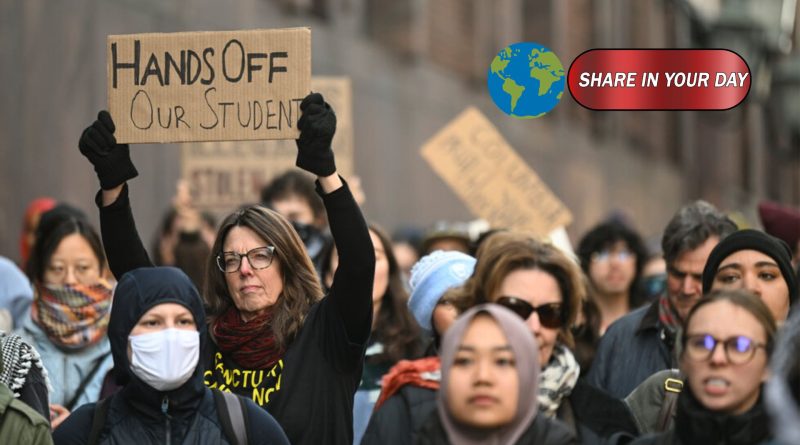
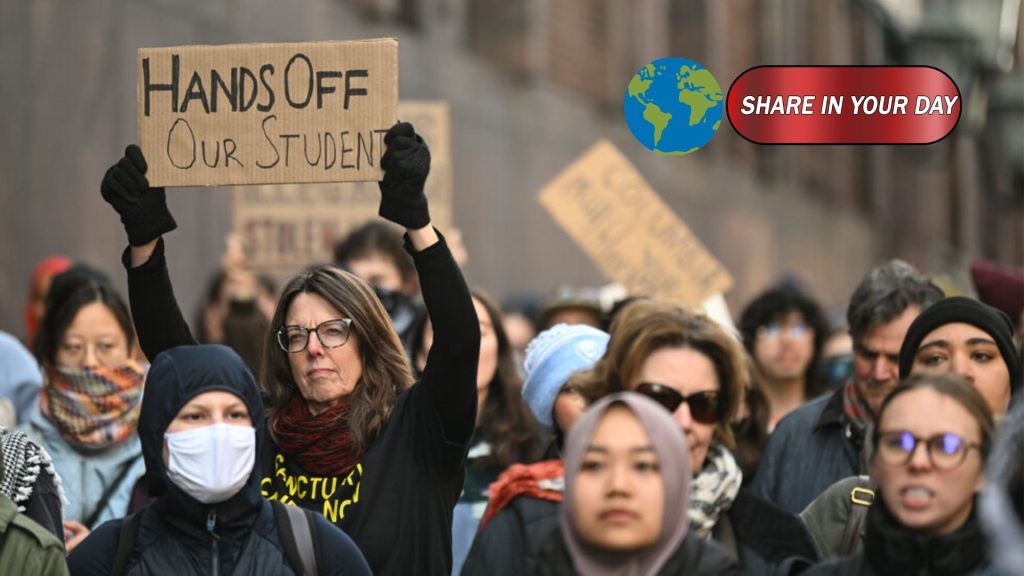
Student groups held demonstrations following the announcement of Aghayeva’s arrest, demanding transparency and stronger protections for members of the university’s international community. Columbia’s administration also reminded students of campus policy requiring proper judicial warrants for off-campus law enforcement access.
Civil liberties advocates argue that misrepresentation by law enforcement to gain entry — if proven — raises serious constitutional questions, especially within spaces traditionally perceived as protected academic environments. Critics have accused DHS and ICE of overreach, and the episode is likely to fuel ongoing national debates over immigration policy and enforcement boundaries.
DHS Response and Legal Uncertainties
DHS has defended its actions by saying the student’s visa status was expired and that the arrest was legally justified. However, the lack of clarity over the methods used to access the university building has drawn criticism from legal experts and civil rights groups.
The incident highlights the tension between federal immigration enforcement prerogatives and campus autonomy, raising questions about how far law enforcement can go in accessing academic spaces without infringing on individual rights or institutional policies.
As Aghayeva returns home, her experience is set to become part of a larger conversation about immigration enforcement in the United States, particularly under the current administration’s expansive policies. University leaders have pledged to review internal protocols and continue advocacy for student rights in the wake of the controversial detention and release.