Pakistan Strikes Afghanistan in ‘Open War’ Escalation With Taliban Government
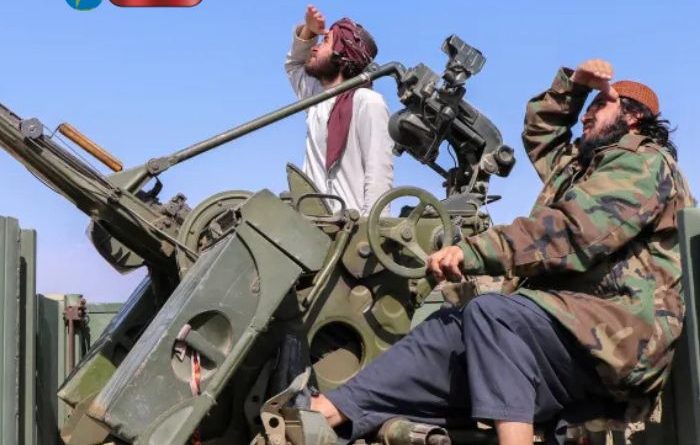
Pakistan launched airstrikes inside Afghanistan late Thursday, dramatically escalating months of deteriorating relations with the Taliban-led government in Kabul and raising fears of a broader regional conflict.
The strikes came just hours after Afghan forces allegedly attacked Pakistani border positions, in what Islamabad described as a “direct and unprovoked assault.” Pakistani officials framed the aerial bombardment as a retaliatory and defensive action, while Taliban authorities condemned it as an act of aggression that risked plunging the two neighbors into open war.
The rapid exchange of force marks one of the most serious confrontations between the countries since the Taliban returned to power in 2021.
Cross-Border Clashes Trigger Retaliation

4
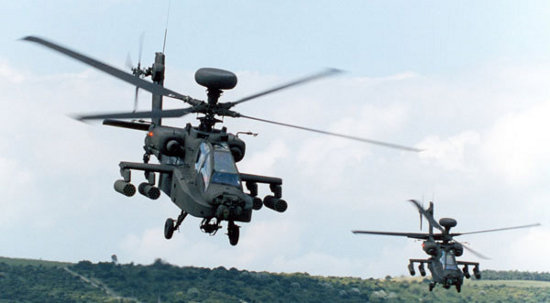
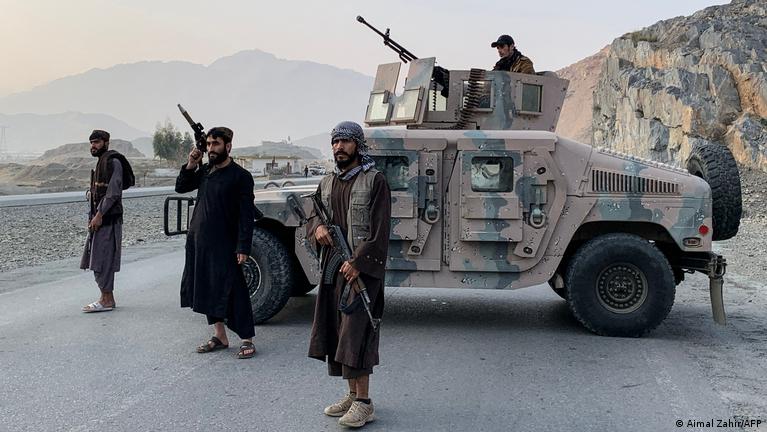
According to Pakistani military officials, Afghan troops fired on multiple positions along the disputed frontier late Thursday, injuring several personnel. Within hours, Pakistani aircraft carried out what authorities described as “precision strikes” against militant targets inside Afghan territory.
Islamabad said the targets were linked to armed groups staging attacks inside Pakistan, including factions believed to be operating with tacit support from within Afghanistan.
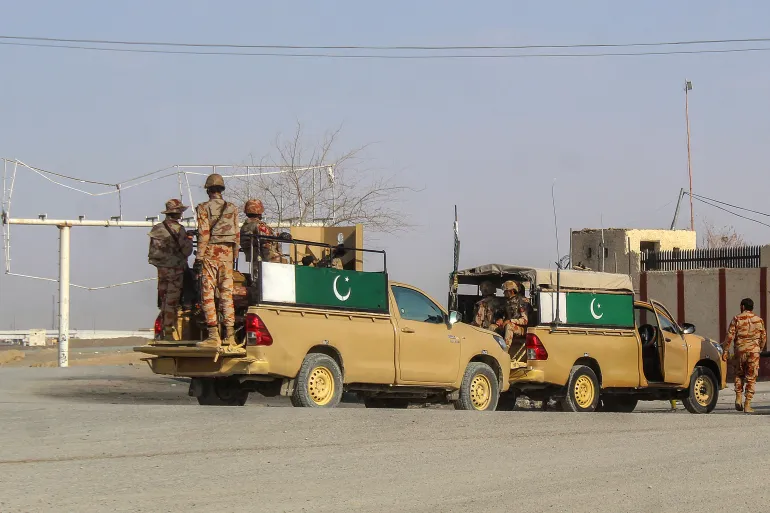
The Taliban government denied initiating hostilities and accused Pakistan of violating Afghan sovereignty. In a statement, Kabul warned that continued incursions would be met with “firm and proportionate responses.”
The frontier, demarcated by the contentious Durand Line, has long been a flashpoint. While Pakistan recognizes the boundary as an international border, successive Afghan governments — including the Taliban — have disputed its legitimacy.
Months of Mounting Tensions
Relations between Islamabad and Kabul have frayed steadily over the past year, largely due to security concerns. Pakistani officials have repeatedly accused the Afghan Taliban of failing to curb the activities of the Tehreek-e-Taliban Pakistan (TTP), a militant group responsible for numerous attacks inside Pakistan.
Islamabad maintains that TTP fighters operate from safe havens across the border, launching cross-border assaults that undermine Pakistan’s internal security. The Taliban government, however, insists it does not allow Afghan soil to be used against other countries.
The latest escalation follows a series of border skirmishes, temporary crossing closures, and diplomatic protests that have strained ties between the two governments.
Security analysts say trust between the former allies has eroded significantly. Pakistan was once seen as a key supporter of the Afghan Taliban during its insurgency against NATO-backed forces. But since the group’s return to power in Kabul, relations have become increasingly transactional — and increasingly tense.
Civilian Impact and Regional Concerns
Local residents in eastern Afghanistan reported hearing explosions overnight, though independent verification of casualties remains difficult. Taliban officials claimed that civilians were among those affected, a charge Pakistan has not addressed directly.
The risk of miscalculation is high. Both sides possess significant ground forces along the border, and repeated retaliatory strikes could trigger a broader military confrontation.
Regional observers warn that further escalation could destabilize an already fragile region. Afghanistan remains economically isolated and politically unrecognized by most of the international community, while Pakistan faces its own domestic political and economic challenges.
Diplomatic Fallout
Neither side has announced formal diplomatic talks following the strikes. However, analysts expect backchannel communications to intensify in an attempt to prevent further deterioration.
International actors, including neighboring China and Gulf states with influence in the region, may seek to mediate if hostilities continue.
For now, rhetoric from both capitals remains firm. Pakistani officials have signaled that further cross-border attacks will be met with force. Taliban authorities, meanwhile, insist they will defend Afghanistan’s sovereignty.
A Fragile Relationship at Breaking Point
The airstrikes underscore the fragile nature of Pakistan-Afghanistan relations in the post-2021 landscape. What was once a complex but cooperative relationship has shifted into open suspicion and intermittent confrontation.
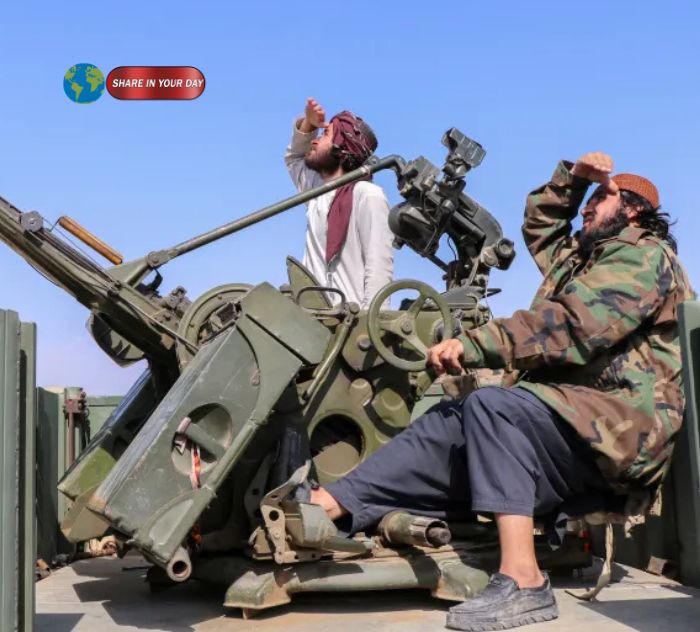
With both governments under domestic pressure to project strength, the margin for diplomatic compromise appears narrow.
Whether the latest exchange proves to be a short-lived flare-up or the start of sustained hostilities may depend on what happens along the mountainous border in the coming days.
For now, the region watches anxiously as two uneasy neighbors edge closer to open conflict.