Japan Protests After Chinese Military Aircraft Locks Radar on Japanese Jets
TOKYO — Japan issued a formal protest to China early Sunday after a Chinese military aircraft locked its radar on Japanese fighter jets near Okinawa, marking a new escalation in tensions between the two countries. The incident comes amid heightened diplomatic strains, which worsened recently following remarks by Japan’s leader regarding Taiwan.
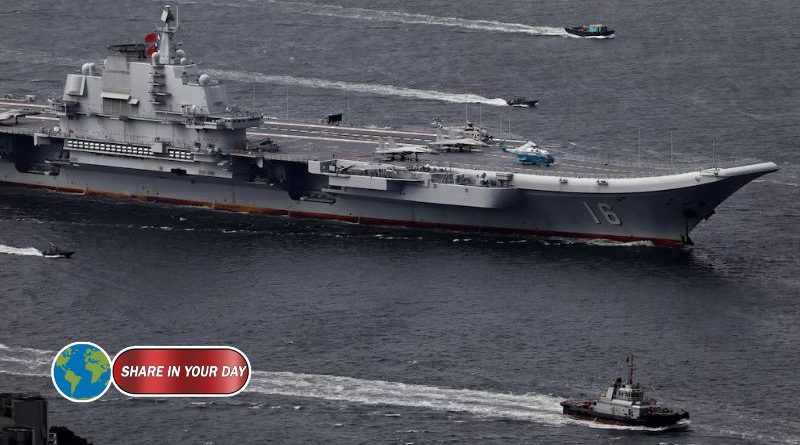
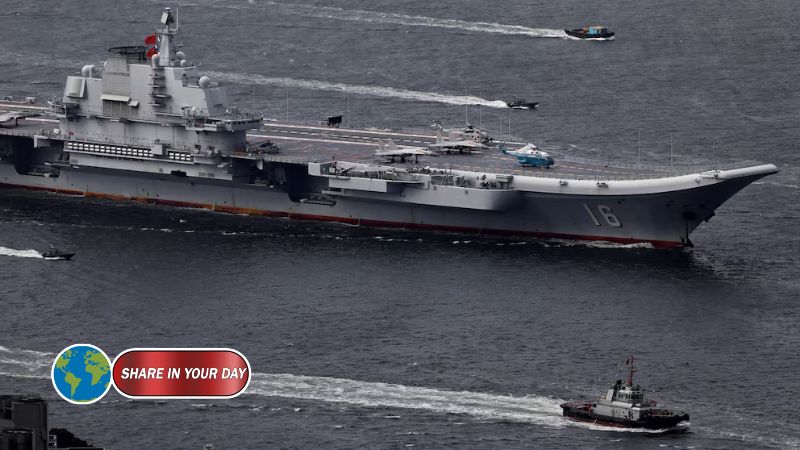
Japan’s Defense Ministry reported that the Chinese military aircraft, identified as a J-15 fighter jet from the aircraft carrier Liaoning, “intermittently” locked its radar on Japanese F-15 jets on two separate occasions Saturday. The first lock occurred in the late afternoon for about three minutes, and the second incident took place later in the evening, lasting approximately 30 minutes.
The radar lock was detected by Japanese fighters that had been scrambled to monitor a potential airspace violation. According to the Ministry of Defense, the radar lock occurred over international waters, and no Japanese airspace was breached. There were no reports of injury or damage as a result of the incident.
Rising Tensions and Diplomatic Fallout
The radar lock incident adds to a series of recent confrontations between Japan and China, which have seen relations deteriorate over the past few weeks. Tensions surged after Japanese Prime Minister Sanae Takaichi made controversial remarks in early November suggesting that Japan’s military could intervene if China were to take military action against Taiwan, a self-governing island that Beijing claims as part of its territory.
The Japanese government characterized the radar lock as a “dangerous act” and an unnecessary escalation of military tensions in the region. Japanese Defense Minister Shinjiro Koizumi condemned the incident, saying it “exceeded the scope necessary for safe aircraft operations” and calling it “extremely regrettable.” He added that Japan had lodged a strong protest with China, demanding the implementation of strict preventive measures to avoid future occurrences.
“There is no place for such acts in the airspace,” Koizumi told reporters. “We urge China to act responsibly and avoid any further provocations.”
China’s Response and Military Activity in the Pacific
The Chinese government has not issued an official statement on the radar lock incident. However, a spokesperson for China’s Foreign Ministry, Lin Jian, responded to recent concerns, asserting that the Chinese navy operates in accordance with international law and advising other countries not to “hype up” its activities.
The Chinese aircraft carrier Liaoning, which was involved in the incident, had been conducting routine exercises on Saturday between Okinawa and the nearby Miyako Island. During the exercise, the Liaoning was engaged in takeoff and landing drills, prompting Japan to scramble F-15 fighter jets to monitor the situation from a safe distance. Japanese officials emphasized that their aircraft did not take any aggressive actions and were merely ensuring no airspace violations occurred.
The radar lock by the Chinese J-15 fighter jets is believed to be the first such incident involving Japanese and Chinese military aircraft. While there have been past encounters between the two countries’ forces, such as a 2013 incident when a Chinese warship targeted the radar of a Japanese destroyer, this is the first time a radar lock between military jets has been reported.
Regional Security Concerns in the South China Sea
This latest military encounter also comes amid rising concerns about China’s increasing assertiveness in the Pacific region. On Saturday, the Philippine Coast Guard reported that Chinese forces had fired three flares at a fisheries bureau plane patrolling the South China Sea. These flares were fired to warn the aircraft to leave what China considers its airspace over the disputed waters.
Both incidents underscore the ongoing tension in the Pacific, where territorial disputes and military posturing between China and several neighboring nations, including Japan and the Philippines, continue to create instability. The United States has also been involved in this geopolitical tug-of-war, with the US military routinely conducting freedom of navigation operations in the South China Sea and other disputed areas.
The Path Forward for Japan-China Relations
The radar lock incident is a stark reminder of the fragile nature of Japan-China relations, which have been characterized by a mix of economic cooperation and deep-rooted security concerns. Japan has increasingly expressed its willingness to confront China’s growing military presence, particularly in the context of its stance on Taiwan, which remains a flashpoint in East Asia.
With diplomatic relations between the two countries at a low ebb, Japan’s protest to China underscores the growing security anxieties in the region. Japan is likely to continue strengthening its military partnerships with the United States and other regional allies as a countermeasure to China’s military assertiveness.
As tensions escalate, it remains to be seen whether the diplomatic channels between Japan and China can be repaired, or if these military encounters will become more frequent as the two countries navigate an increasingly complex security landscape in the Pacific.