Malaysian PM Announces Thai, Cambodian Leaders’ Willingness to Resolve Border Dispute
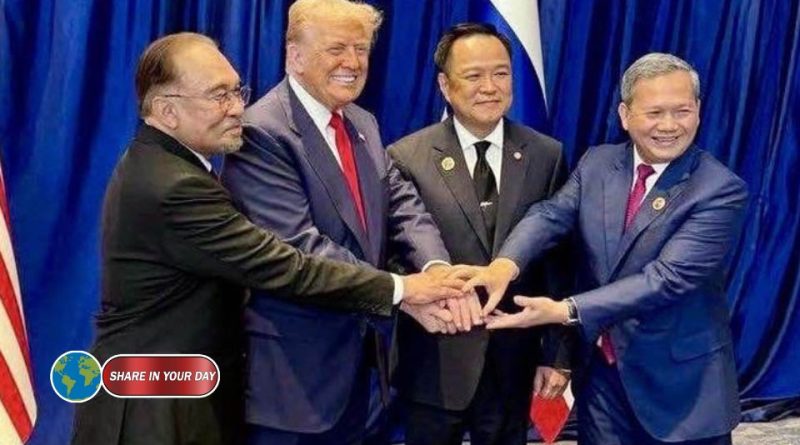
Kuala Lumpur, Malaysia — Malaysian Prime Minister Anwar Ibrahim announced on Wednesday that he had been in contact with both Thailand’s and Cambodia’s leaders, confirming that both sides are committed to resolving their ongoing border dispute swiftly. The announcement came as tensions between the two nations remain high, following a series of violent incidents along the border in recent weeks.
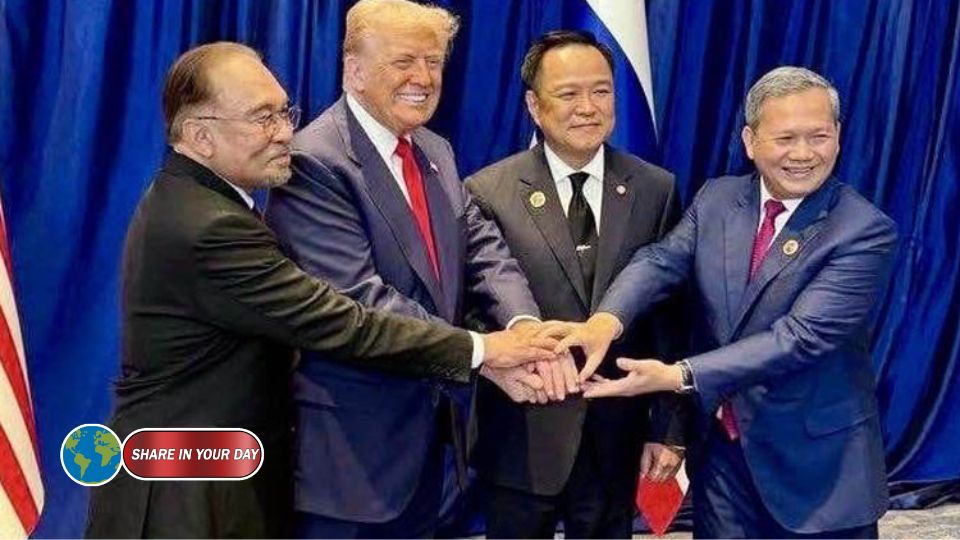
The Malaysian Prime Minister, speaking to the press on December 17, 2025, conveyed that both Thai Prime Minister Prayut Chan-o-cha and Cambodian Prime Minister Hun Sen have expressed their willingness to negotiate and find a peaceful solution to the conflict as soon as possible. Anwar’s statement follows a period of heightened concern over the potential for further military escalation, particularly in the wake of recent bombings in Poipet, Cambodia, carried out by Thai forces.
ASEAN Mediation to Play Key Role
Anwar revealed that ASEAN (Association of Southeast Asian Nations) foreign ministers would meet on December 22, 2025, to discuss the ongoing border tensions and explore diplomatic solutions. The ASEAN-led talks are expected to play a critical role in mediating between the two nations and emphasizing the necessity of peace in the region.
The meeting had originally been scheduled for an earlier date but was postponed at the request of both Thailand and Cambodia. According to Anwar, the delay was to allow both countries time to engage in direct discussions before the international mediation effort.
“The foreign ministers’ gathering will focus on convincing both countries of the importance of peace and stability in the region. We believe that dialogue is essential to prevent further escalation,” Anwar Ibrahim said in his statement.
A Crucial Moment for ASEAN Diplomacy
The move to expedite negotiations comes at a pivotal time. ASEAN, which comprises ten Southeast Asian nations, has historically played a vital role in managing regional conflicts through diplomatic engagement. The potential for ASEAN’s involvement in this particular dispute highlights the bloc’s ongoing efforts to maintain stability and promote peaceful resolution in Southeast Asia, an area that has faced several cross-border issues over the years.
The Thai-Cambodian border dispute, primarily over the contested Preah Vihear Temple area, has resulted in sporadic clashes for over a decade. However, recent incidents, including a Thai fighter jet bombing Poipet, have brought the tensions to a head, raising concerns not only within the region but also from the international community.
International Call for Peaceful Dialogue
The Malaysian government’s intervention underscores its desire to prevent a broader conflict and ensure that Southeast Asia remains a peaceful, stable region. Regional and international leaders, including those from the United Nations and other diplomatic bodies, have also expressed strong support for a peaceful resolution.
“We urge both parties to focus on diplomacy and dialogue rather than military action,” said a UN representative following the escalation. “The world is watching, and there is a shared interest in ensuring that tensions do not spiral into something much worse.”
The Path Ahead
As the ASEAN foreign ministers prepare to meet next week, all eyes will be on how the two Southeast Asian nations approach the negotiation table. With both Cambodian and Thai leaders signaling a desire to resolve the issue quickly, there is hope that the planned talks will lead to a de-escalation of tensions and a long-term resolution.
In the meantime, the situation remains fragile, with the threat of further military confrontations looming. The outcome of next week’s meeting could determine whether peace is restored or if the conflict between Thailand and Cambodia will deepen, potentially impacting the wider region.