Colombian President and Trump Put Aside Insults for Amicable White House Meeting
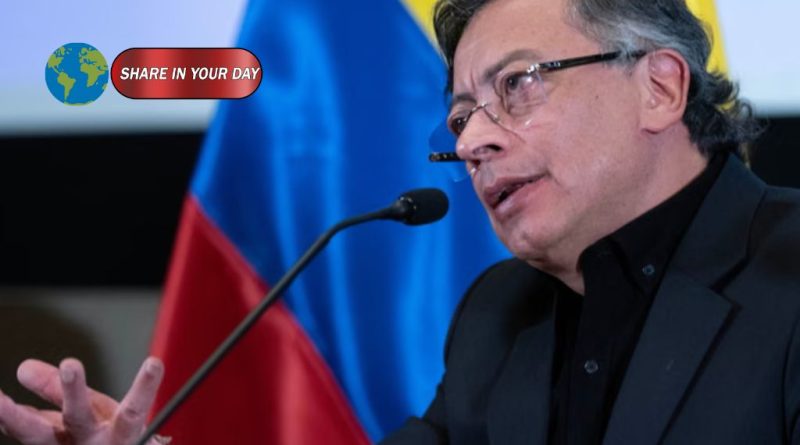
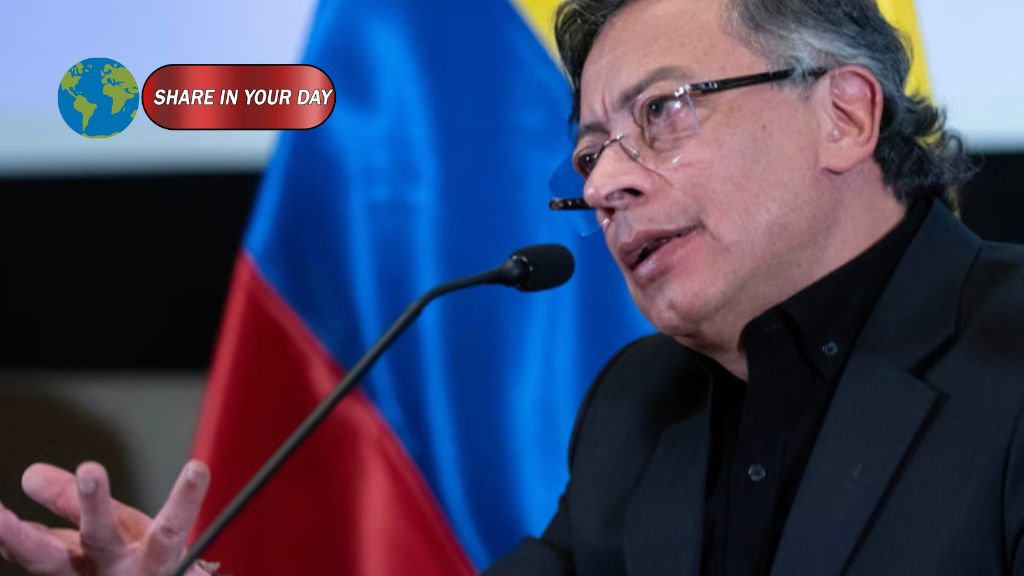
After months of bitter exchanges marked by personal insults and diplomatic tension, US President Donald Trump and Colombian President Gustavo Petro struck a markedly warmer tone during a closed-door meeting at the White House.
The encounter, Petro’s first official visit with Trump since the US president returned to office, ended with cordial remarks, exchanged gifts and even a red “Make America Great Again” cap worn by Colombia’s leftwing leader as he departed the building.
The meeting had been closely watched following a prolonged war of words between the two men. Trump had previously labelled Petro a “sick man” and accused him of leading a “drug trafficking” state, while Petro had described Trump as an “accomplice to genocide” with a “senile brain”.
Despite the tension, both sides emerged from the talks emphasising cooperation rather than confrontation.
A Carefully Choreographed Encounter
Journalists were barred from the meeting itself, which took place behind closed doors in the White House, continuing a pattern seen with other visiting heads of state. However, both governments later shared photographs on social media, offering a glimpse into the unexpectedly friendly outcome.
Petro posted images of a signed copy of Trump’s 1987 book The Art of the Deal, apparently poking fun at reports that he did not speak English and would require an interpreter.
“What was Trump trying to tell me in this dedication? I don’t understand much English,” Petro wrote on X, alongside a photo showing Trump had written: “You are great.”
In another post, Petro shared a printed photograph gifted by Trump bearing the handwritten message: “Gustavo, a great honour. I love Colombia.”
The Colombian president was also photographed leaving the White House wearing a Maga cap, a striking visual given his long-standing criticism of Trump and US foreign policy.
From Feud to Friendly Words
Speaking to reporters shortly after the meeting, Trump described the talks as constructive.
“We got along very well,” Trump said. “He and I weren’t exactly the best of friends, but I wasn’t insulted because I never met him. I didn’t know him at all, and we got along very well.”
Asked whether the two leaders had reached agreements on drug trafficking—an issue at the heart of Trump’s criticism of Colombia—Trump said they had.
“It was very productive,” he added. “Fantastic. And we’ll continue working on other issues, including sanctions.”
Petro echoed the conciliatory tone in an interview with Colombia’s Radio Caracol.
“The truth is, I like frank gringos,” he said. “People who say what they feel. We are undoubtedly very different, but frankness comes first.”
Sanctions and the ‘Clinton List’
Despite the warm language, no immediate announcement was made regarding Petro’s status on the so-called “Clinton list”, formally administered by the US Treasury’s Office of Foreign Assets Control (Ofac).
In October, Petro, his wife, his son and Colombia’s interior minister were placed on the list over what the Treasury described as involvement in the global illicit drug trade.
Petro said the issue was not discussed directly with Trump.
“If there were legal evidence, I would not be speaking here,” he said. “I am on the Ofac list because of what I said in New York.”
He was referring to comments made at last year’s UN General Assembly, where he urged US soldiers to disobey illegal orders during a pro-Palestinian rally. Following the remarks, Petro’s US visa was revoked and later replaced with a special permit for the White House visit.
Drug Policy at the Centre
At a subsequent press conference at Colombia’s embassy in Washington, Petro defended his government’s record on drug enforcement, claiming it had seized more cocaine than any administration in history.
“We have seized more thousands of tonnes of cocaine than at any point in the history of humanity,” he said.
Petro said he urged Trump to focus on targeting international drug kingpins rather than Colombia alone.
“We have to go after the capos,” he said. “They do not live in Colombia. They live in Dubai, Madrid, Miami. US agencies know who they are. I gave their names to President Trump.”
Ahead of the meeting, Colombia extradited Andrés Felipe Marín Silva, known as “Pipe Tuluá”, alleged leader of a major drug gang, to the United States—a move widely seen as a goodwill gesture.
Defence Minister Pedro Sánchez said the extradition demonstrated Colombia’s commitment to cooperation.
“Colombia is a reliable partner and will continue working with the US with respect, cooperation and concrete actions,” Sánchez said, “protecting citizens and suffocating those who live off crime.”