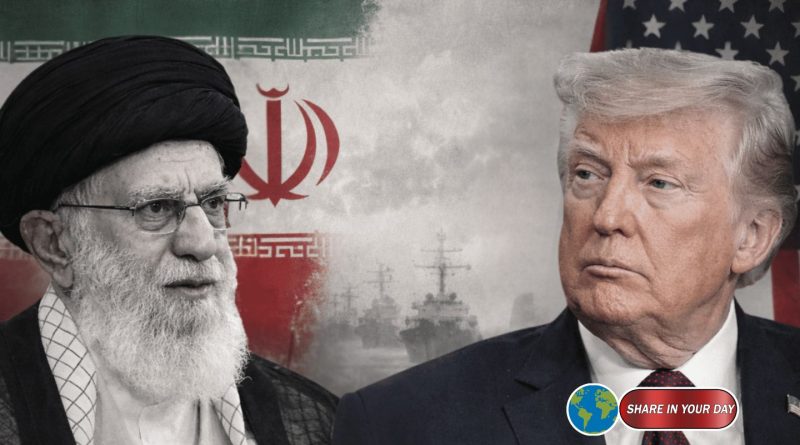
What Is Behind the Strategy to Take Out Iran’s Leadership?
WASHINGTON — When U.S. and Israeli officials confirmed they had achieved air superiority over parts of Iran, the military milestone was only part of the story. The deeper strategy, analysts say, has focused less on territory and more on dismantling Iran’s command structure — striking not just missile sites, but the very leadership directing them.
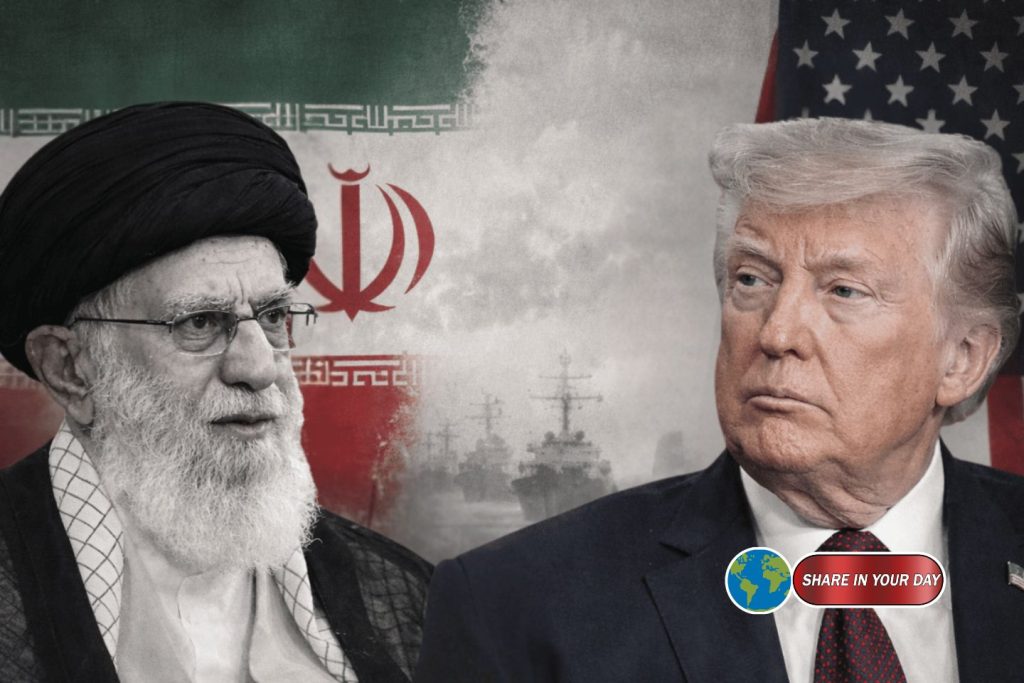
The campaign has combined cyber warfare, intelligence penetration and precision airstrikes in what American officials describe as an effort to “daze and confuse” Tehran at the highest levels.
But behind the dramatic eliminations lies a broader strategic question: Is this about weakening Iran’s military machine — or triggering something more profound?
Blinding Before Bombing
According to U.S. defense officials, the opening move was not an airstrike but a cyber operation.
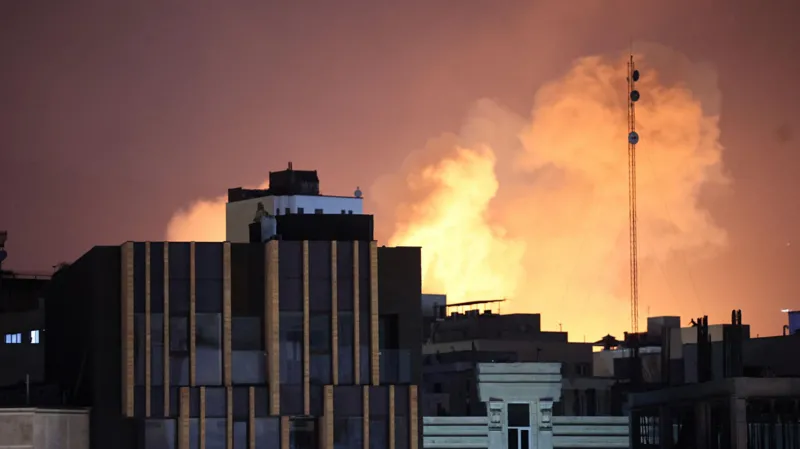
Hackers linked to U.S. Cyber Command and Israeli intelligence reportedly disrupted Iranian communications networks, interfering with Tehran’s ability to assess unfolding events or issue coordinated responses. The objective was to fracture the regime’s situational awareness before kinetic strikes began.
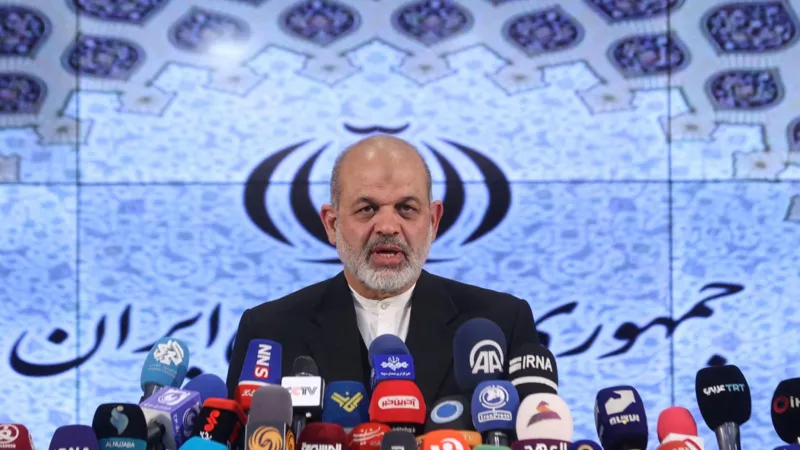
Only after those systems were degraded did Israeli and U.S. aircraft launch coordinated attacks on leadership compounds, command-and-control nodes, ballistic missile infrastructure and intelligence hubs.
Among those reportedly killed were senior military and security figures, including the army chief of staff and the head of the Islamic Revolutionary Guard Corps (IRGC). The supreme leader, Ali Khamenei, was also reportedly targeted in early phases of the campaign.
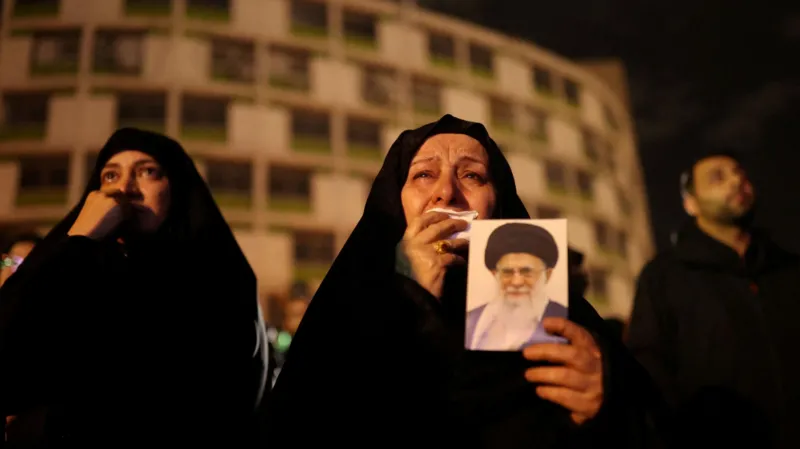
Israeli intelligence agency Mossad and the U.S. Central Intelligence Agency had tracked key figures for months, officials said, using a mix of electronic surveillance and human sources on the ground.
The result was a coordinated decapitation strike intended to paralyze Iran’s leadership in the critical opening hours of war.
The Logic of Confusion
General Dan Caine, chairman of the Joint Chiefs of Staff, described the strategy as one aimed at creating shock and confusion inside the Iranian system.
By removing multiple leaders simultaneously, the United States and Israel sought to fracture the chain of command, complicate decision-making and delay retaliation.
In the short term, that may have succeeded. Analysts say the immediate aftermath has raised questions about whether Iranian missile and drone attacks are centrally coordinated or launched by regional commanders operating under preexisting directives.
Yet confusion cuts both ways.
Without a clear chain of command, retaliation could become unpredictable. Fragmented authority may lead to escalatory moves by local commanders seeking to demonstrate resolve — or to prove loyalty amid internal uncertainty.
Prepared for Decapitation
Iran’s leadership has long anticipated the risk of targeted killings. Officials were reportedly instructed to designate multiple successors and keep their identities secret.
That makes it all the more striking that so many senior figures were reportedly gathered in the same locations when the strikes occurred.
Some analysts suggest overconfidence in internal security or underestimation of Western intelligence capabilities may have played a role. Others argue the speed of the cyber disruptions may have left little time to disperse.
Whatever the explanation, the loss of multiple senior figures in a single wave represents one of the most significant leadership blows in the Islamic Republic’s history.
Does Leadership Elimination Change the War?
The immediate military impact is measurable. Strategic decision-making becomes slower. Communications are strained. Morale may falter.
But the longer-term consequences are far less predictable.
A CIA assessment completed before hostilities began reportedly warned that removing the supreme leader could empower hardline elements within the IRGC rather than moderate voices.
In that scenario, leadership decapitation might produce not compromise, but escalation.
Any successor must calculate whether regime survival is better served by continued confrontation or by negotiating with Washington and Jerusalem. The United States, under President Donald Trump, has signaled that concessions on Iran’s missile and regional militia programs would be prerequisites for de-escalation.
Yet if senior figures continue to be targeted, decision-making itself could become paralyzed. A leadership vacuum complicates not only military coordination but diplomatic engagement.
Regime Change: Strategy or Side Effect?
An even larger question hangs over the campaign: Is the objective simply to degrade military capabilities, or to weaken the regime to the point of collapse?
Historically, air power alone has rarely achieved regime change. Without ground forces or sustained internal uprising, leadership elimination can destabilize but not necessarily topple entrenched governments.
President Trump has publicly encouraged Iranians to rise up and has offered assurances of immunity to security personnel who abandon the regime. But past protest movements — including those crushed earlier this year — underscore how deeply embedded Iran’s security apparatus remains.
Some in Washington may believe that dismantling intelligence and security structures could create space for a popular uprising. Others caution that the risks of chaos — or a more hardline successor — are significant.
A Calculated Gamble
For Israel and the United States, the strategy appears rooted in calculated disruption: remove the decision-makers, fracture the command system, and force Tehran into a moment of strategic reckoning.
Whether that reckoning leads to negotiation, escalation or internal upheaval remains uncertain.
What is clear is that targeting leadership represents more than a tactical choice. It is an attempt to reshape the balance of power inside Iran itself — a high-stakes gamble whose consequences will extend far beyond the battlefield.
For ordinary Iranians, the outcome may determine not just the course of the war, but the future direction of their state.