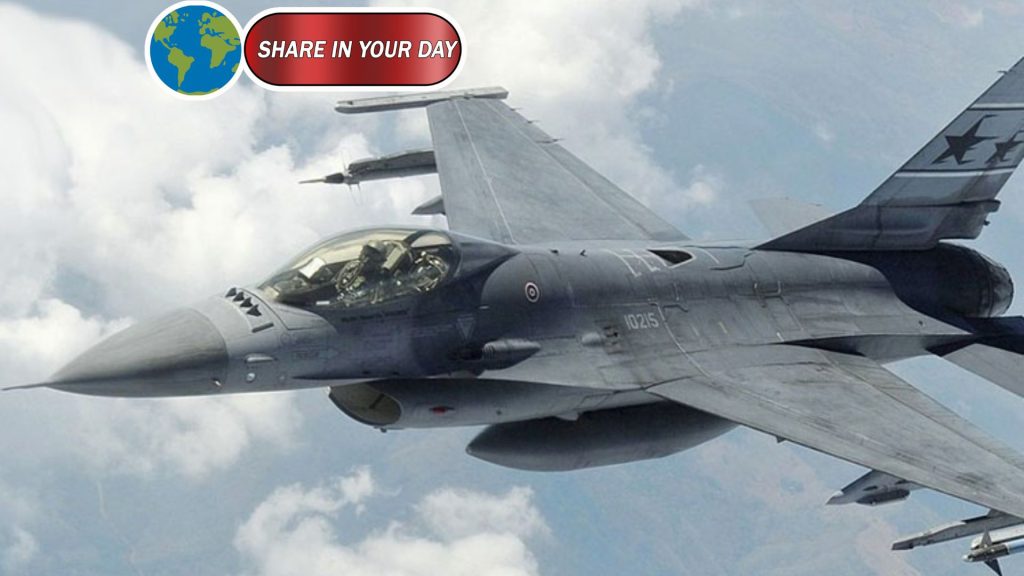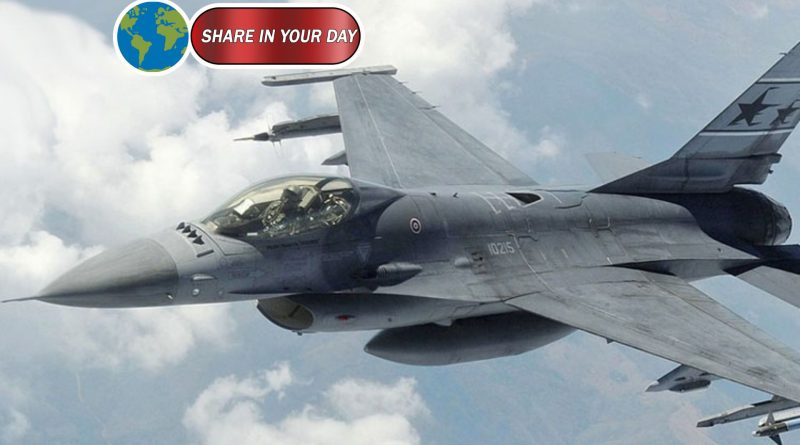
Thailand Says F‑16 Strikes Follow International Law, Prioritise Civilian Safety
In an official statement, the Royal Thai Air Force (RTAF) defended its recent deployment of F‑16 fighter jets along the Cambodia–Thailand border, stressing that all operations complied with relevant international law and placed “the highest priority” on avoiding harm to civilians.
According to the RTAF, the strikes targeted only legitimate military installations — including weapons depots, command posts, and logistical centers — identified as posing direct threats to Thailand’s national security and the safety of border residents. The air operations were planned and executed under guidelines consistent with the principles of distinction and proportionality outlined in international humanitarian law, aiming to neutralize threats while minimizing civilian risk.
Thai military officials also rejected media reports claiming that civilians had been deliberately targeted, calling those allegations disinformation intended to justify aggression. They accused Cambodian forces of placing heavy weapons — such as BM‑21 rocket launchers and artillery — near civilian zones, effectively using civilians as “human shields,” which the Thai side argued forced their hand.
The RTAF furthermore invoked the right to self-defence under United Nations Charter Article 51, describing the airstrikes as a lawful reaction to what they called aggressive rocket attacks by the Royal Cambodian Armed Forces (RCAF) that had hit Thai civilian areas.
Nevertheless, observers and human rights organizations raise serious concerns. Human Rights Watch (HRW) warned that recent exchanges of heavy fire, including airstrikes and artillery, have resulted in civilian casualties — including children — and damaged civilian infrastructure such as hospitals and religious sites. They emphasized that under international humanitarian law, all feasible precautions must be taken to avoid harm to civilians and protected objects.
As the border conflict continues, the clash over sovereignty and territorial claims remains deeply rooted in decades‑old disputes that have repeatedly flared over contested zones such as temple sites