What Is the Trump Board of Peace? Inside the Proposal Shaping Debate in Washington
WASHINGTON — A proposal dubbed the “Trump Board of Peace” has begun circulating in political circles, igniting debate over how the United States should manage global conflicts and diplomatic engagement in an increasingly unstable world.
While not yet formalized into legislation, the concept reflects a broader foreign policy vision associated with Donald Trump — one centered on negotiation leverage, economic pressure, and selective military deterrence rather than prolonged overseas interventions.
The Idea Behind the Proposal
Supporters describe the Trump Board of Peace as a potential advisory body or strategic council aimed at reshaping how Washington approaches international disputes. Rather than relying heavily on traditional diplomatic institutions or multilateral frameworks, the board would prioritize direct negotiations, transactional diplomacy, and high-level dealmaking.
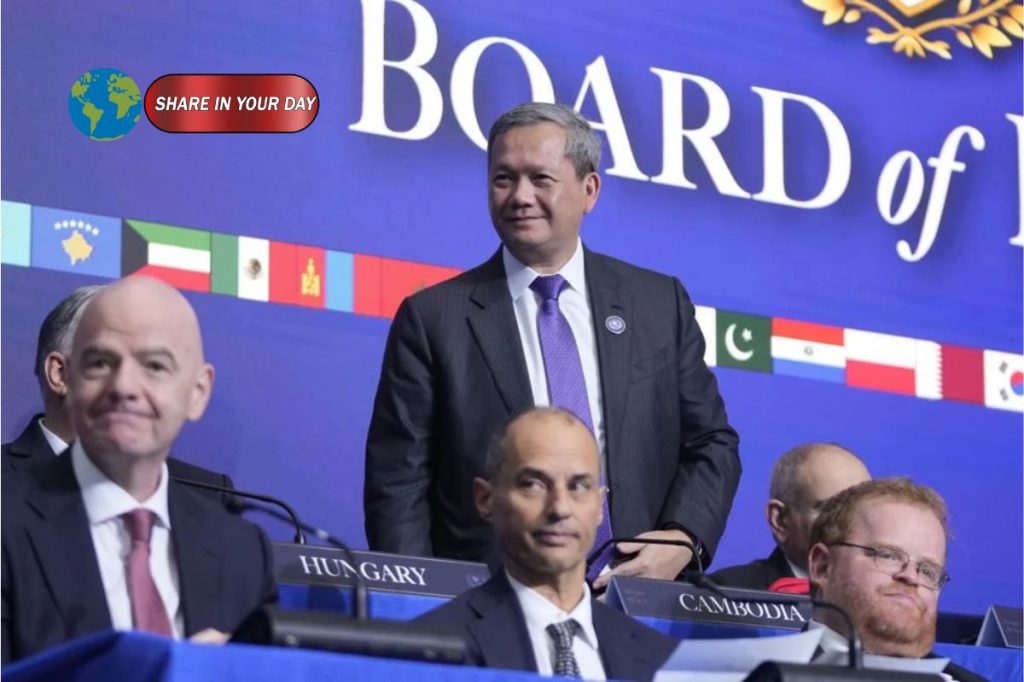
According to individuals familiar with discussions around the idea, the structure would likely include former military officials, business leaders, and foreign policy strategists aligned with Trump’s “America First” doctrine.
Advocates argue that such a body could streamline decision-making and reduce what they view as bureaucratic inertia inside the State Department and intelligence agencies.
Critics, however, warn that creating parallel diplomatic channels risks undermining established institutions and alienating long-standing allies.
A Reflection of Trump’s Foreign Policy Record
The proposal echoes elements of Trump’s first-term approach to international relations. During his presidency, Trump emphasized bilateral agreements, high-profile summits, and economic leverage — often sidestepping traditional diplomatic processes.
His administration brokered the Abraham Accords in the Middle East, reshaped trade agreements, and pursued direct talks with adversarial leaders. Supporters cite those moves as evidence that unconventional diplomacy can yield tangible outcomes.
Opponents argue that while headline-grabbing negotiations attracted global attention, they sometimes lacked durable institutional follow-through.
The Trump Board of Peace, as currently described, would seek to formalize that deal-driven model into a standing mechanism.
Political Calculations at Home
The emergence of the proposal comes as foreign policy reclaims center stage in Washington. Ongoing conflicts in Eastern Europe, tensions in the Middle East, and strategic rivalry with China have intensified debate over America’s global role.
Within Republican circles, there is growing discussion about recalibrating U.S. commitments abroad. Some lawmakers favor reducing military entanglements while strengthening economic and diplomatic leverage — themes that align closely with Trump’s rhetoric.
Democrats and foreign policy traditionalists have expressed skepticism, arguing that durable peace requires multilateral coordination and institutional continuity rather than personalized diplomacy.
The proposal’s future may ultimately depend on electoral outcomes and congressional appetite for structural reform.
Strategic Implications
If implemented, a Trump Board of Peace could signal a significant shift in how the United States organizes foreign policy decision-making. Rather than dispersing authority across agencies, the board might centralize strategic recommendations around the executive branch.
Supporters believe this would allow faster responses to crises and clearer negotiating positions.
Critics counter that concentrating influence risks reducing transparency and weakening interagency oversight.
International reaction would also matter. Allies accustomed to formal diplomatic channels might question whether the board enhances or complicates coordination. Adversaries, meanwhile, could interpret the move either as a serious commitment to dealmaking or as another layer of unpredictability.
Uncertain Path Forward
For now, the Trump Board of Peace remains more concept than institution. No formal executive order or legislative framework has established it, and details continue to evolve.
Yet the conversation surrounding it highlights a broader question facing U.S. policymakers: Should American diplomacy be restructured to reflect a more transactional, leader-driven approach — or should it reinforce traditional institutions built over decades?
As global tensions persist, that debate is unlikely to fade.
Whether the Trump Board of Peace becomes a defining feature of future U.S. foreign policy or remains a campaign-era talking point will depend on political momentum in Washington and the evolving demands of an unpredictable world.