U.S. Intercepts Second Merchant Vessel Carrying Venezuelan Oil in Escalating Blockade
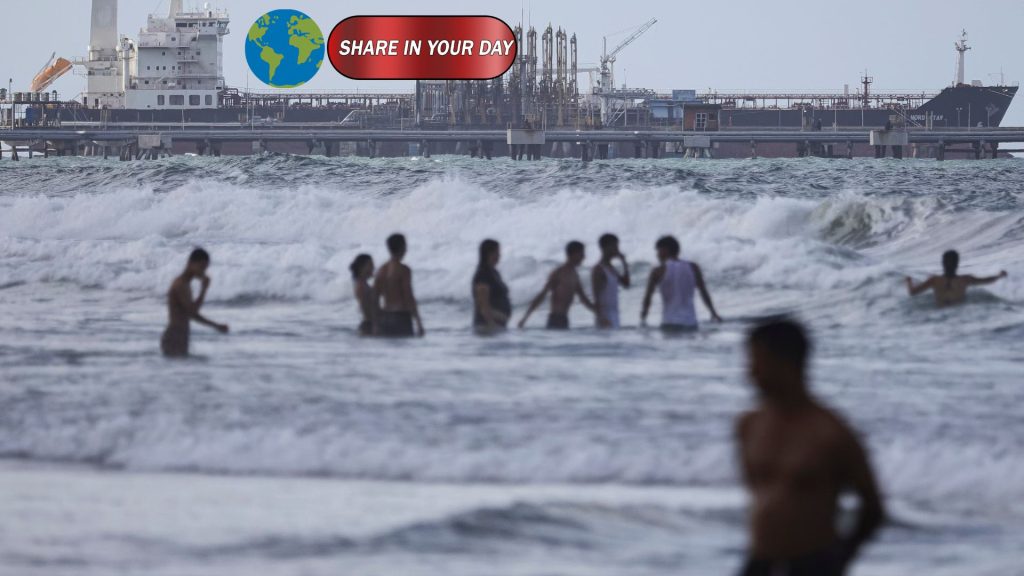
U.S. forces have intercepted a second merchant vessel transporting Venezuelan oil in international waters off the coast of Venezuela, U.S. officials said Saturday, marking an expansion of Washington’s maritime enforcement campaign against Caracas.
According to officials familiar with the operation, this action follows President Donald Trump’s recent announcement of a “total and complete blockade” targeting oil shipments linked to Venezuelan exports. The vessel, believed to be the Panama‑flagged Centuries, was carrying millions of barrels of Venezuelan crude destined for Asia when it was stopped by the U.S. Coast Guard and other military units.
The interception comes less than two weeks after U.S. authorities seized another oil tanker, underscoring an escalated approach to enforcing sanctions and curtailing Venezuela’s primary source of revenue. While the first vessel — Skipper — was listed on U.S. sanctions, the latest target does not appear on official sanction lists, suggesting a broader interpretation of blockade authority.
U.S. Government Perspective
Homeland Security Secretary Kristi Noem confirmed the operation on social media, stating the United States will continue to disrupt the movement of oil it alleges is used to fund “narco‑terrorism.” The Coast Guard’s operation reportedly involved a consented boarding after the tanker voluntarily stopped in response to U.S. forces.
Officials have framed the blockade and subsequent interdictions as part of a comprehensive effort to tighten economic pressure on Venezuelan President Nicolás Maduro, who faces U.S. charges of narcoterrorism. The Biden administration’s larger strategy includes both economic sanctions and sustained naval deployments near Venezuelan waters.
International and Regional Reaction
Venezuela’s government denounced the latest interception as an act of piracy and a violation of international law, pledging to elevate the issue at forums such as the United Nations. Caracas has also signaled it may escalate security measures for future shipments, potentially including naval escorts for commercial vessels.
Regional leaders have expressed concern about heightened tensions. Brazil’s government, among others, warned that any military escalation around Venezuela could trigger a wider humanitarian crisis and urged diplomatic engagement.
Market and Strategic Implications
The crackdowns on Venezuelan oil shipments have already contributed to a sharp decline in the country’s exports, as traders and shipping firms seek to avoid confrontation with U.S. forces. Analysts warn that continued disruptions to Venezuelan crude — historically an important component of global supply for certain refiners — could eventually influence oil prices, even amid broader market stability.
President Trump has not ruled out expanded military actions, and his administration’s statements leave open the possibility of further forceful measures if Caracas does not comply with U.S. demands. As the standoff deepens, the legal basis for boarding non‑sanctioned vessels and the risk of unintended military escalation remain subjects of international debate.