U.S. Escalates Venezuelan Pressure With Oil Tanker Blockade and Interceptions
In late December 2025, the United States dramatically stepped up its confrontation with Venezuelan President Nicolás Maduro, announcing a blockade of sanctioned oil tankers linked to the country’s crumbling oil trade and authorizing U.S. forces to seize multiple vessels at sea.
President Donald Trump — speaking from Florida — framed the blockade as part of a broader campaign to target what his administration describes as illicit oil shipments and to squeeze the revenue streams of the Maduro government. The White House claims many vessels operate in a so‑called “shadow fleet” that evades existing sanctions and helps finance narcotics trafficking and other criminal networks.
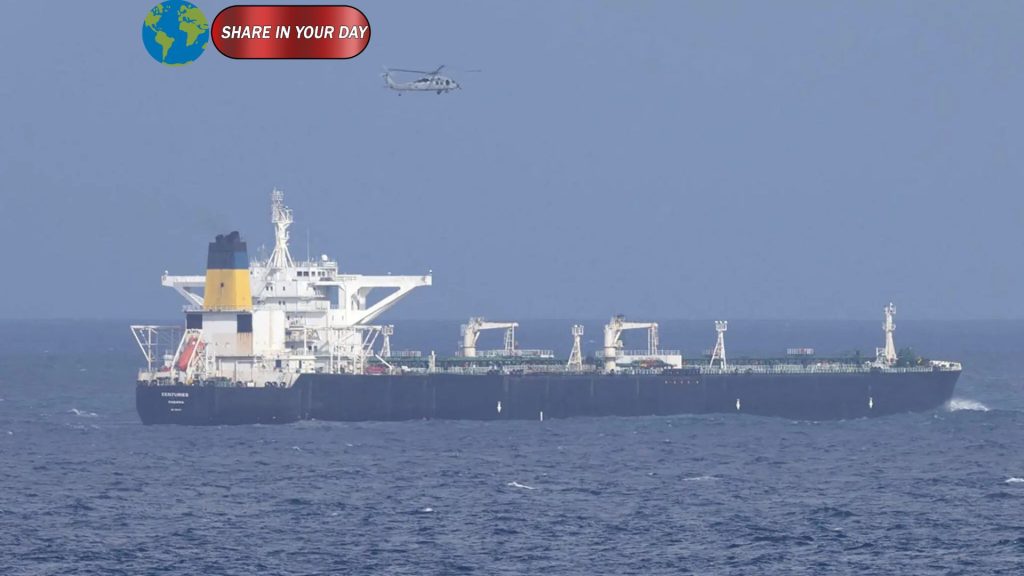
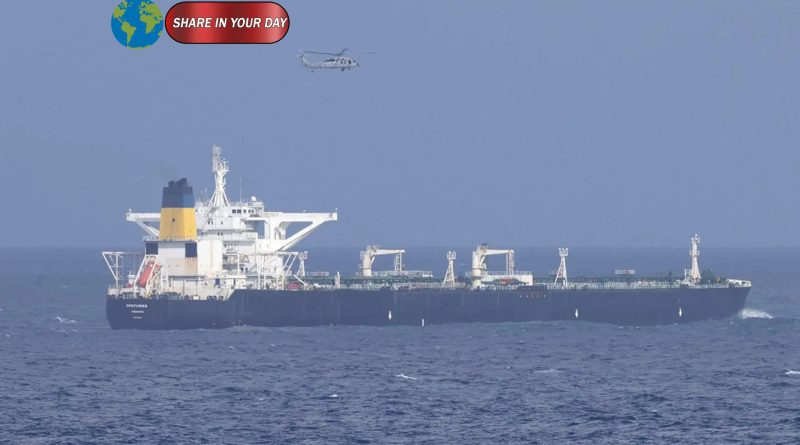
Under this policy, the U.S. Coast Guard, backed by the Navy, has intercepted and seized tankers near Venezuela that it alleges are part of sanctioned oil movements. In one operation, the Coast Guard boarded the large tanker Skipper after departing Venezuelan waters; the ship was later tracked near the Gulf of Mexico. A second vessel, the Centuries, was also detained in international waters, even though its sanction status remains contested. A third tanker — Bella 1 — has been pursued by U.S. forces as part of ongoing interdiction efforts.
Trump has repeatedly warned Maduro that continued resistance could prompt even further escalation, including expanded military pressure. In his comments to reporters, he suggested that Maduro’s resilient stance might force a rethink of his leadership, implying that stepping down would be preferable to confronting U.S. force.
Legal, Diplomatic, and Market Impacts
The U.S. blockade and seizure strategy has drawn sharp international criticism. China’s foreign ministry condemned the U.S. actions as a serious violation of international law and labeled the seizures acts of piracy. Venezuelan officials echoed this sentiment, denouncing the blockade as an unlawful attempt to undermine their sovereign oil industry.
Legal experts have raised questions about how far a peacetime blockade can extend under established maritime law, with some calling the strategy unprecedented outside wartime conditions. Domestically, U.S. lawmakers have debated whether the actions qualify as an unauthorized use of military force.
Global oil markets have responded modestly to the tensions. Venezuelan production once accounted for millions of barrels per day, but today it represents a much smaller share of global supply. Still, oil prices ticked higher amid fears of supply disruptions and intensified geopolitical risk.
Maduro’s Countermeasures and Regional Fallout
In Caracas, Venezuela’s government has sought alternative routes around U.S. pressure. The Venezuelan navy has been ordered to escort commercial shipments bound for Asia, and some oil companies have rerouted tankers to avoid direct confrontation with U.S. forces. Maduro’s administration also pressed the UN Security Council to intervene, asserting its right to protect sovereign commerce.
Regional responses remain mixed. Russia and China have signaled support for Maduro’s government, while neighboring countries have expressed concern about the escalating tensions and urged dialogue over confrontation.
Published: December 23, 2025
Tags: Venezuela, Donald Trump, Oil Tankers, Naval Blockade, Nicolás Maduro, U.S. Foreign Policy