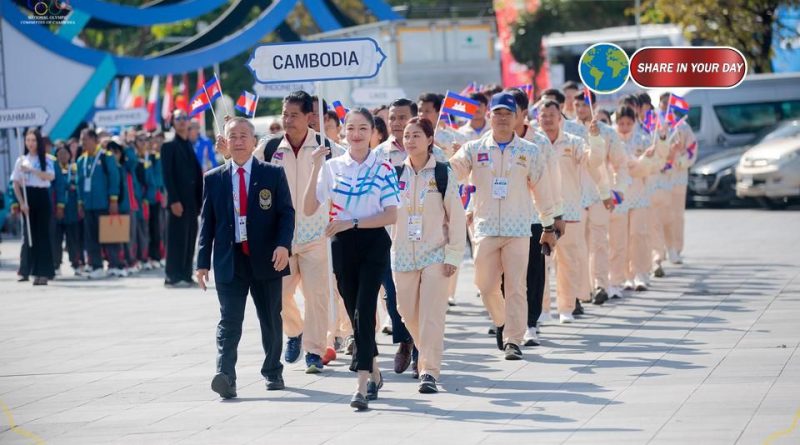
Cambodia Withdraws Entire SEA Games Delegation Amid Escalating Border Conflict
December 10, 2025 – In a dramatic and unprecedented move, Cambodia has withdrawn its entire delegation from the 33rd Southeast Asian Games (SEA Games) in Thailand, citing grave safety concerns as violence along the Thai-Cambodian border intensifies. The decision, which has shocked the sports community, comes as ongoing clashes have resulted in civilian casualties and widespread displacement, with at least seven Cambodians confirmed dead and tens of thousands fleeing their homes.
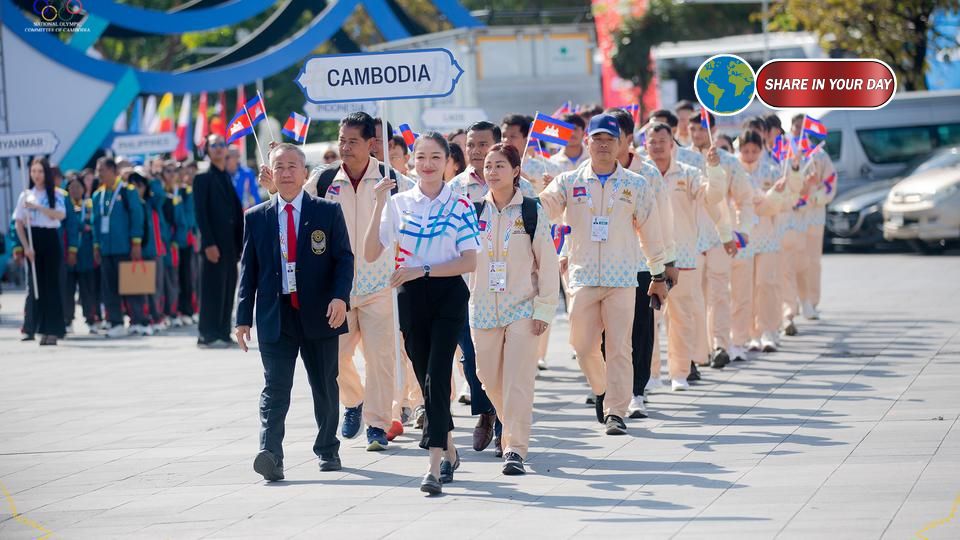
The National Olympic Committee of Cambodia (NOCC) announced the withdrawal after receiving urgent requests from the families of athletes, urging them to return home amid growing fears for their safety. In a letter sent to Seri Chaiyapak Siriwat, CEO of the Southeast Asian Games Federation, NOCC Secretary General Vath Chamroeun stated that the withdrawal was necessary due to “serious concerns” over the escalating situation.
“NOCC must withdraw all of our delegation and arrange for their prompt return to Cambodia for safety reasons,” Chamroeun wrote. “This decision was not made lightly but was imperative given the security situation on the ground.”
SEA Games in Crisis: Safety Threatened by Border Violence
The 33rd SEA Games, which were scheduled to run from December 9 to 20, 2025, have been marred by escalating violence along the border, which began earlier in the week. The clashes have intensified over the last four days, claiming the lives of at least seven Cambodians, with many others wounded. Thousands have been forced to flee their homes in search of safety, adding to the already significant human toll of the conflict.
While Cambodia initially planned to send a full delegation to the SEA Games, the safety concerns have steadily increased as the conflict between Cambodian and Thai military forces escalated. Earlier in November, the NOCC had already pulled Cambodia’s athletes from eight sports—football, judo, karate, pencak silat, wrestling, petanque, wushu, and sepak takraw—citing safety risks. Despite this, a contingent of 150 athletes was still scheduled to compete in 13 sports.
Now, with the situation worsening, the NOCC has taken the extraordinary step of pulling all athletes from the event. The withdrawal leaves Cambodia’s sports community reeling, with many expressing disappointment that such drastic action was necessary. Some athletes who had trained for months are now left without an opportunity to compete on the regional stage.
Families Demand Return Amid Mounting Tensions
The decision to withdraw the delegation followed repeated pleas from the athletes’ families, who were increasingly concerned for their loved ones’ safety. Several families reached out to the NOCC directly, urging the committee to prioritize the safety of the athletes, some of whom were already in Thailand when the violence erupted.
“We want our children to come back safely. Their safety is more important than any medal,” one athlete’s family member shared, reflecting the sentiment of many others.
The Cambodian government has faced pressure to ensure the safety of its citizens, both within the country and abroad, as the violence at the border threatens to destabilize the region further. Cambodian authorities have assured the public that military forces are working tirelessly to safeguard the nation’s borders and protect civilians from the ongoing conflict.
Regional Impact and Diplomatic Concerns
The withdrawal of Cambodia’s delegation casts a shadow over the SEA Games, which were initially seen as a celebration of Southeast Asia’s unity through sport. While the games continue in Thailand without Cambodia’s participation, the absence of the Cambodian athletes speaks volumes about the toll that regional conflicts can take on international cooperation and sporting events.
As the violence rages on, there are growing concerns over the broader impact on regional diplomacy. The long-standing territorial dispute between Thailand and Cambodia has flared into violence once again, leaving both countries grappling with the humanitarian consequences. The withdrawal of Cambodia’s delegation highlights the fragility of peace in the region, and the need for urgent diplomatic dialogue to address the ongoing conflict.
Cambodia’s Continued Commitment to National Security
Despite the painful decision to withdraw from the SEA Games, Cambodian officials have reiterated their commitment to protecting the country’s territorial integrity. The Ministry of National Defense has stated that the military will continue to defend Cambodian territory against incursions and threats from Thai forces. The Cambodian army has reported fierce clashes with Thai troops, but has emphasized its resolve to ensure the safety of Cambodian civilians and soldiers.
As of today, the Cambodian government has not indicated when the athletes will return to Thailand or whether the delegation will be reinstated if the situation improves. For now, the focus remains on ensuring the safety of all Cambodian citizens, both at home and abroad.
Conclusion:
Cambodia’s withdrawal from the 33rd SEA Games marks a poignant moment in the context of regional conflict and international sports. What was meant to be a celebration of Southeast Asian unity has instead been overshadowed by violence and instability at the border. The decision to prioritize the safety of its athletes reflects Cambodia’s commitment to national security and the protection of its citizens.
As the conflict continues, the international community will be watching closely to see how both countries respond to the ongoing crisis. For now, Cambodia’s focus remains firmly on safeguarding its borders, its people, and its national interests.