Why James Harden’s Clippers Tenure — and an Era — Quietly Came to an End
LOS ANGELES — Tyronn Lue knew what was coming when he saw James Harden inside the LA Clippers’ training facility on Tuesday afternoon. So did Harden. So did nearly everyone else in the building.
Hours later, the Clippers finalized a deal sending the 36-year-old, 11-time All-Star to the Cleveland Cavaliers, closing the book on Harden’s brief but consequential time in Los Angeles — and, more broadly, on an era the franchise once believed could deliver a championship.
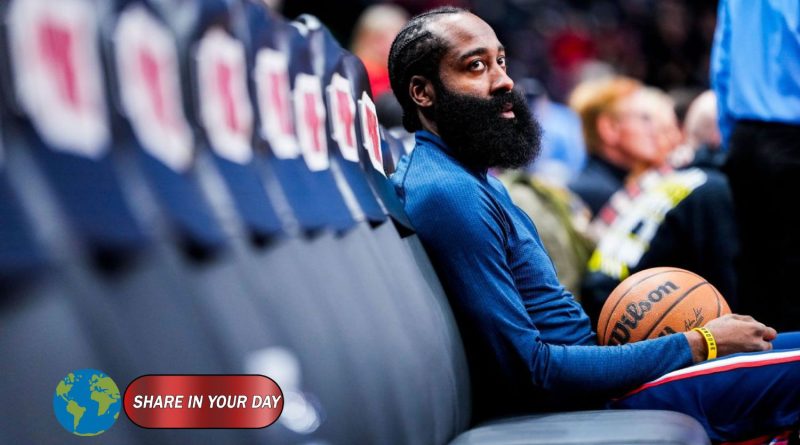
Yet there was nothing dramatic about Harden’s final day. No standoff. No public demand. No simmering tension. Harden wore Clippers gear, worked out, received treatment, and exchanged laughs with teammates and staff, behaving less like a player on the move and more like someone finishing a chapter he already knew was ending.
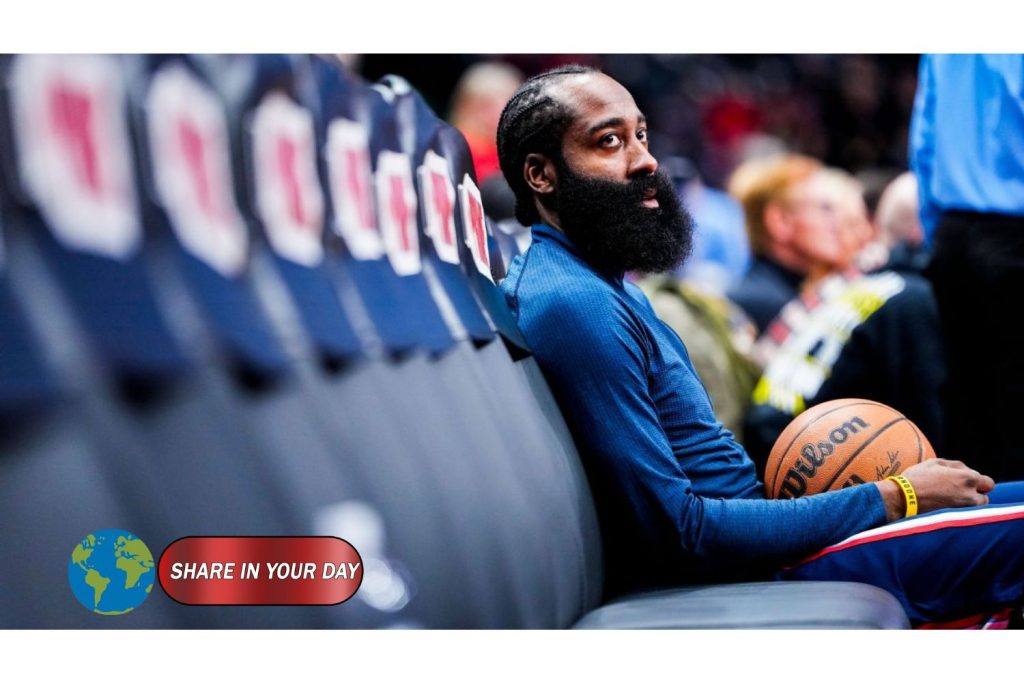
“When people are getting traded, it’s usually not like that,” Lue said. “But we all love James. His personality, his presence — we’re going to miss him.”
This time, Harden’s exit was mutual. And telling.
The Final Swing That Didn’t Land
When the Clippers acquired Harden, he represented the franchise’s last major gamble in a long, expensive pursuit of contention. Since signing Kawhi Leonard in 2019 and trading for Paul George shortly after, the organization has repeatedly pushed its chips into the middle — prioritizing star power over patience.
Harden was meant to stabilize that vision. Durable where Leonard and George often weren’t. Creative enough to carry the offense when stars were sidelined. Experienced enough to matter in the playoffs.
Instead, the same familiar problems resurfaced.
Despite stretches of strong play — including a midseason run that briefly made the Clippers one of the league’s hottest teams — availability remained elusive. The trio of Harden, Leonard and George rarely shared the floor at full strength. And while Harden delivered, playing heavy minutes and rediscovering his All-NBA form, the broader equation never balanced.
Eventually, the organization reached a conclusion it had been circling for months: this version of the Clippers wasn’t built to last.
A Contract That Told the Story
The end began quietly last summer.
As Harden entered his age-36 season, the Clippers balked at committing long-term money, offering flexibility instead of security. Harden, coming off a season in which he averaged nearly 23 points and was named third-team All-NBA, believed he had earned more.
But he wanted to be in Los Angeles. He believed in the roster. And so he accepted a deal that protected both sides — partially guaranteed money, a player option, and the ability to block a trade.
It was a compromise built on optimism.
Then the losses mounted.
By late December, the Clippers were near the bottom of the standings. Around the league, phones began ringing. Rival executives asked about Harden. About Leonard. About Ivica Zubac. The Clippers listened.
So did Harden.
Why Cleveland Made Sense
While Harden explored options, one possibility never materialized. Houston — the franchise where he became an MVP and perennial contender — showed little interest in a reunion.
Cleveland, however, saw opportunity.
The Cavaliers believed Harden could organize their offense, relieve pressure from Donovan Mitchell, and unlock their young frontcourt of Evan Mobley and Jarrett Allen. As the Clippers attempted to salvage their season, Cleveland evaluated whether its current roster was enough.
Eventually, both teams arrived at the same realization.
It wasn’t.
As the trade deadline approached, talks accelerated. Harden sat out games, officially listed with personal reasons — the league’s quiet shorthand for an impending deal. Speculation swirled. By Tuesday, Harden knew he wouldn’t veto a trade.
“I didn’t want to hold them up,” Harden said. “They need a chance to rebuild. And in Cleveland, I see a chance to win.”
The Bigger Ending in Los Angeles
Harden’s departure symbolizes something larger.
Paul George is already gone. Ivica Zubac was moved days later. Leonard remains — brilliant, fragile, and increasingly alone — the last remnant of a plan that once promised banners.
“From what was expected?” Leonard said when asked if the era felt unfinished. “It’s over. Guys are gone.”
The Clippers bet on stars. They bet on health. They bet on timing.
They lost all three.
This isn’t failure in the dramatic sense. The franchise was competitive. Relevant. Respected. But championships were the standard, and by that measure, the era fell short.
Harden, for his part, leaves without bitterness.
“In life, sometimes you just outgrow each other,” he said. “It doesn’t have to be ugly.”
For the Clippers, it wasn’t. It was simply time.
A Reset for Both Sides
Los Angeles moves forward with younger assets, flexibility, and the freedom to reshape its future. Cleveland accelerates its timeline, adding a proven engine to a roster that believes its window is opening now.
And Harden? He chases something he has never had — a title — knowing this opportunity may be one of his last.
His tenure with the Clippers ended quietly.
But what it marked — the close of a bold, star-driven experiment — will echo far longer.