Michael Page ‘Not Happy’ With UFC Pay Structure After Conor Benn’s $15M Zuffa Boxing Deal
Tensions over fighter pay have resurfaced inside the UFC, and this time the frustration is coming from one of its newest high-profile signings.
Michael Page has openly criticized the promotion’s pay structure following reports that British boxer Conor Benn secured a contract worth $15 million with Zuffa Boxing, the boxing venture spearheaded by UFC president Dana White.
Speaking ahead of his March 21 return at UFC London, Page admitted that news of Benn’s deal “is not something I’m happy about,” adding to a growing chorus of fighters questioning how revenue is distributed within the organization.
Bonus Structure vs. Big Boxing Money
The UFC recently introduced adjustments to its bonus structure, a move some insiders have framed as a step toward improving fighter compensation. But Page made it clear he sees the changes as insufficient — particularly in light of the financial muscle being flexed outside the Octagon.
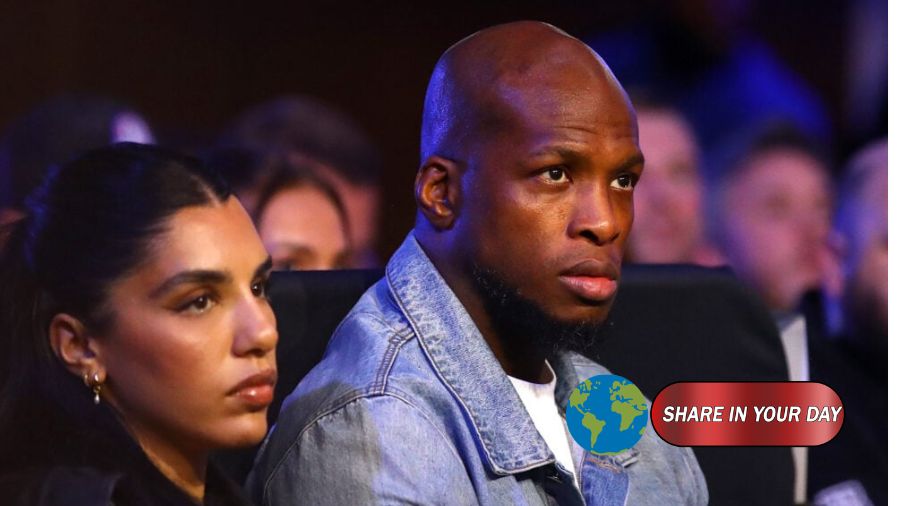
“I heard about the, if you want to call it an increase in the bonus structure,” Page said during an appearance on The Ariel Helwani Show. “And this is why I wasn’t bothered to be excited initially because for me, that doesn’t do enough, comparatively to the money they’ve just brought in for themselves.”
While the UFC has not publicly detailed the full structure of Benn’s contract, reports of a $15 million figure have drawn attention across combat sports. For comparison, many ranked UFC fighters earn a fraction of that per fight, with additional income often dependent on discretionary bonuses.
Page suggested the optics of such a deal — particularly with an athlete from outside MMA — are difficult for rostered fighters to ignore.
“It’s upsetting, disappointing more than anything,” he said. “It gives us something to complain about, in all honesty.”
A Broader Debate Over Fighter Pay
The issue of compensation has long hovered over the UFC, even as the organization has grown into a global powerhouse. Fighters have periodically voiced concerns that revenue growth has not translated proportionally to athlete pay.
Page, who built his reputation outside the UFC before signing with the promotion, framed the debate in stark terms.
“We have deserved more,” he said. “I hate hearing stories of fighters getting to the pinnacle of your career in terms of the UFC and still being broke. That shouldn’t exist.”
The comments come at a sensitive time. Page is preparing to face Sam Patterson at UFC London, marking another high-profile appearance inside the Octagon. His willingness to publicly critique the promotion just weeks before stepping back into competition underscores the strength of his feelings on the matter.
Eddie Hearn Predicts Turbulence
The ripple effects of Zuffa Boxing’s aggressive entrance into the boxing market have not gone unnoticed. Veteran promoter Eddie Hearn, long considered a rival figure to White in the combat sports landscape, expressed surprise at some of the financial offers reportedly being extended.
Hearn went so far as to predict a potential UFC fighter revolt in 2026, suggesting that widening pay disparities could create internal unrest.
While there has been no coordinated action among fighters, public criticism appears to be growing. Page is not alone in raising concerns. Former bantamweight champion Sean O’Malley has also voiced surprise at the scale of Benn’s reported deal.
The Crossroads of MMA and Boxing
White has long spoken about ambitions beyond mixed martial arts, including boxing and other combat-sport ventures. The creation of Zuffa Boxing represents a significant strategic expansion, potentially reshaping how the company competes across disciplines.
But for UFC athletes, the optics matter. When substantial sums are allocated to boxers under a new promotional banner, comparisons are inevitable.
Page’s criticism reflects a broader tension: as the UFC continues to diversify and expand, fighters want reassurance that the sport which built the brand — and the athletes who sustain it — are valued accordingly.
For now, Page’s focus remains on March 21. But his comments ensure that conversations about compensation will continue outside the cage, even as the action inside it moves forward.
Whether this discontent evolves into something more organized remains to be seen. What is clear is that the debate over fighter pay is far from settled — and voices like Page’s are ensuring it stays in the spotlight.