NASCAR Fuel Saving Superspeedway Changes Shake Up Racing Strategy
NASCAR fuel saving superspeedway changes are officially underway as the organization responds to growing criticism from fans and drivers. In a major update discussed during the “Hauler Talk” podcast, NASCAR executives confirmed several rule tweaks and future plans aimed at improving racing quality at iconic tracks like Daytona and Talladega.
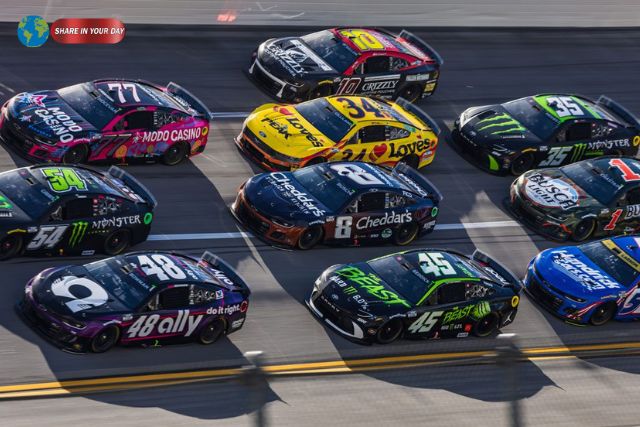
These changes come after increasing frustration over fuel-saving strategies that have altered how races unfold on superspeedways. Instead of full-throttle action, drivers have often been seen conserving fuel—something that has drawn mixed reactions across the sport.
Why Fuel Saving Became a Major Issue
Fuel saving is not new in motorsports, but in NASCAR’s superspeedway races, it has become particularly noticeable. Drivers often run below maximum speed to reduce fuel consumption, giving them a strategic advantage during pit stops.
This tactic allows teams to spend less time refueling on pit road, which can ultimately improve track position—a critical factor in tightly packed races.
However, the downside is clear: fans expect high-speed, aggressive racing, not strategic cruising.
NASCAR acknowledged that this trend has led to dissatisfaction, especially during marquee events like the Daytona 500 and races at Talladega Superspeedway.
NASCAR Responds to Fan Feedback
According to NASCAR executive John Probst, fan input played a significant role in pushing these changes forward.
“We talk to our fans every week,” Probst said, noting that many dislike seeing cars running three-wide while conserving fuel instead of racing aggressively.
As a result, NASCAR has divided its response into two main areas:
- Sporting changes (rules, stage lengths, pit strategy)
- Technical changes (car setup, horsepower, aerodynamics)
This dual approach shows NASCAR is not just making small tweaks—it is preparing a broader transformation of superspeedway racing.
Key Change #1: Shorter Final Stages at Talladega
One of the most immediate changes will be seen at Talladega Superspeedway.
NASCAR plans to shorten the final two stages of the upcoming race so that drivers can complete them without needing a fuel stop.
Previously, Talladega races featured long final stages that forced teams into fuel-saving strategies. Now, by reducing stage length, NASCAR hopes to eliminate the need for conservation and encourage full-speed racing.
The expected structure:
- First stage: Longer (around 100 laps)
- Final two stages: Shorter (under 50 laps each)
This reversal of the traditional format could significantly impact race dynamics and strategy.
Key Change #2: Strategic Variety in Early Race
Interestingly, the longer opening stage could introduce new strategic diversity.
Some teams may attempt a one-stop strategy, while others might opt for two stops. This could create varying race paces early on, potentially leading to more overtaking and tactical battles.
NASCAR believes this unpredictability could make races more exciting for fans.
Key Change #3: Return of Daytona Preseason Testing
Looking ahead, NASCAR is also bringing back the “Preseason Thunder” test session at Daytona International Speedway.
Scheduled for early 2027, this test will allow officials and teams to experiment with technical adjustments designed to reduce fuel-saving advantages.
Potential areas of experimentation include:
- Engine power levels
- Aerodynamic setups (such as spoilers)
- Other car-related modifications
This signals a long-term commitment to refining superspeedway racing beyond just rule changes.
Key Change #4: Possible Car and Power Adjustments
NASCAR is considering deeper technical changes to address the root causes of fuel-saving behavior.
Probst explained that teams will always look for competitive advantages, including fuel conservation. Therefore, the goal is not to eliminate the strategy entirely—but to reduce its impact.
Possible adjustments include:
- Increasing horsepower
- Modifying aerodynamic drag
- Changing fuel efficiency dynamics
These tweaks could make it harder for teams to gain a significant advantage by simply conserving fuel.
Key Change #5: Accepting Fuel Saving as Part of the Sport
Despite these changes, NASCAR has made it clear that fuel saving will never completely disappear.
Teams are always searching for marginal gains, and fuel strategy is a natural part of racing. As Probst noted, it is “a tool now that the teams know.”
Instead of eliminating it, NASCAR aims to balance strategy with entertainment.
The Fan Perspective: Entertainment vs Strategy
At the heart of this issue is a classic motorsports dilemma: strategy versus spectacle.
On one hand, fuel-saving tactics showcase the intelligence and precision of race teams. On the other, they can reduce the intensity of on-track action.
Superspeedway racing has traditionally been defined by:
- High speeds
- Close drafting packs
- Frequent overtaking
When drivers lift off the throttle to save fuel, some of that excitement disappears.
This tension has forced NASCAR to rethink how its races are structured.
How These Changes Could Impact Drivers
Drivers will need to adapt quickly to the new format.
With shorter final stages, the emphasis will shift toward:
- Aggressive racing
- Drafting skills
- Positioning in the final laps
Meanwhile, the longer first stage could reward teams that excel in strategy and tire management.
Overall, the changes may favor drivers who can balance aggression with tactical awareness.
Broader Context: NASCAR’s Evolution in 2026
These updates are part of a broader trend in NASCAR’s evolution.
In recent years, the organization has:
- Adjusted playoff formats
- Increased horsepower at certain tracks
- Modified race packages
For example, 2026 saw horsepower increases to 750 hp at shorter tracks and road courses, reflecting NASCAR’s willingness to adapt to fan feedback.
The fuel-saving issue is just the latest challenge in NASCAR’s ongoing effort to refine its product.
What This Means for Talladega and Daytona
Talladega and Daytona are two of NASCAR’s most iconic tracks, known for their high-speed, pack-style racing.
These tracks rely heavily on drafting, which naturally encourages fuel-saving behavior. However, they also produce some of the most dramatic moments in the sport.
By reducing fuel-saving incentives, NASCAR hopes to restore:
- Constant full-throttle racing
- More aggressive moves
- Greater unpredictability
If successful, these changes could significantly enhance the viewing experience.
Challenges Ahead for NASCAR
While the proposed changes are promising, they are not without risks.
Shorter stages could:
- Reduce strategic complexity
- Lead to more chaotic racing
- Increase the likelihood of accidents
Additionally, technical changes require careful testing to avoid unintended consequences.
NASCAR must strike a delicate balance between:
- Competition fairness
- Fan entertainment
- Driver safety
Conclusion
The NASCAR fuel saving superspeedway changes mark a pivotal moment for the sport. By addressing one of the most debated issues in modern racing, NASCAR is taking a proactive step toward improving both competition and fan experience.
From shorter stages at Talladega to future technical innovations at Daytona, the organization is clearly committed to evolving its product.
However, the success of these changes will ultimately depend on how they play out on the track.
For now, one thing is certain: NASCAR is listening—and the future of superspeedway racing could look very different.