Zuffa Boxing vs Matchroom Boxing: A Power Struggle Reshaping the Sport
The simmering rivalry between Zuffa Boxing and Matchroom Boxing has burst into full view — and it is threatening to redraw boxing’s promotional map.
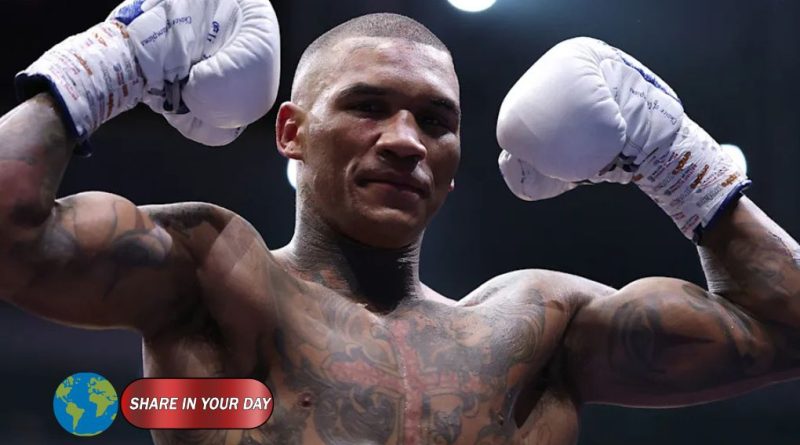
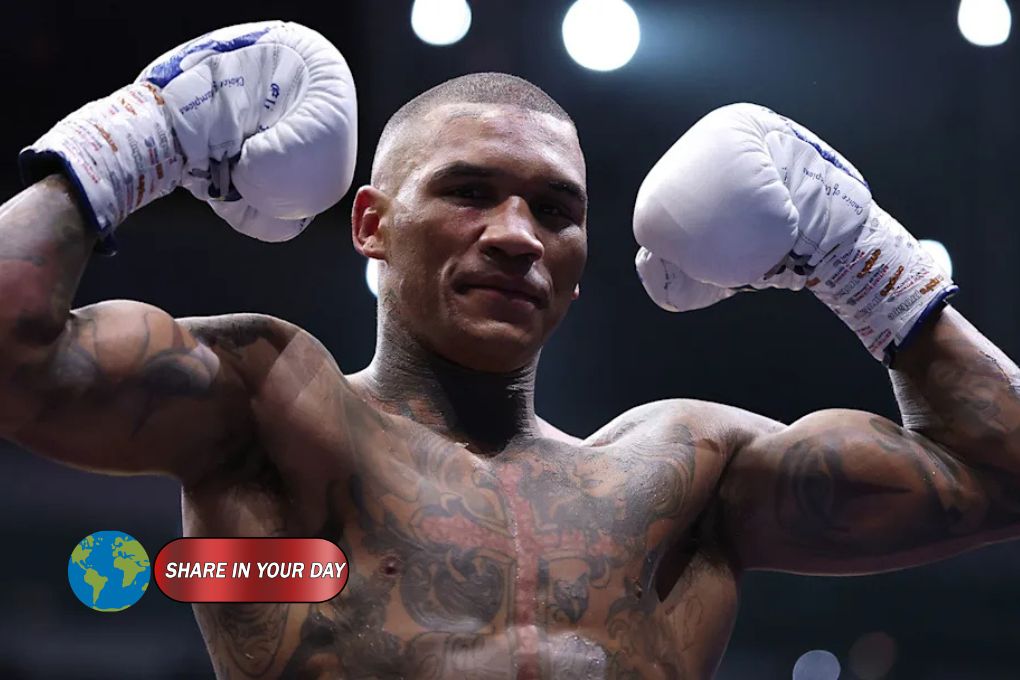
Last week, Zuffa Boxing, the new venture spearheaded by Dana White, landed its most high-profile recruit yet: British welterweight star Conor Benn. The one-fight agreement sent shockwaves across the U.K. fight scene and triggered a sharp public rebuke from officials at Matchroom Boxing, the company that had promoted Benn for nearly a decade.
“Classless,” Matchroom president Barry Hearn said of the departure. Chairman Eddie Hearn described the split as feeling “a little bit like wasted years.”
For insiders, however, Benn’s move was less about emotion and more about power — and capital.
Zuffa’s Rapid Expansion
Since debuting in January, Zuffa has moved aggressively. More than 90 fighters have reportedly signed promotional contracts. Critics argue much of the roster consists of journeymen — boxers veteran trainer Robert Garcia described as having been “rejected by the top promoters.” But Zuffa’s recent signings tell a different story.
Cruiserweight titleholder Jai Opetaia, formerly aligned with Matchroom, became one of the company’s first marquee additions. Now Benn — fresh off a win over Chris Eubank Jr. — becomes the most recognizable name under Zuffa’s banner.
The strategy is clear. White and his team are attempting to replicate the centralized model that made Ultimate Fighting Championship a global powerhouse. In MMA, the UFC controls championships, rankings and matchmaking. Boxing, by contrast, has long been governed by multiple sanctioning bodies and rival promoters.
Zuffa appears intent on disrupting that system.
A Legislative Push — and a New Belt
Part of the company’s ambition extends beyond the ring. Zuffa has backed federal legislation that would amend the Professional Boxer Health and Safety Act, potentially allowing it to operate outside boxing’s current regulatory framework.
The long-term vision includes introducing a proprietary championship — the Zuffa belt — rather than relying on traditional sanctioning bodies. To purists like Hearn, that strikes at the sport’s historical fabric.
“For us, we’re trying to keep the tradition of this great sport,” Hearn said recently. “Belts are important. Champions fight champions.”
The contrast in philosophy is stark: tradition versus consolidation.
Saudi Backing and Financial Firepower
If Zuffa’s ambitions seem bold, its financial support explains why.
The promotion is co-owned by Sela, the Saudi Arabian entertainment and promotional company backed by the Public Investment Fund. Zuffa has also aligned with Turki Alalshikh, the Saudi official who has bankrolled many of boxing’s biggest events in recent years and acquired The Ring magazine.
The result is nearly limitless capital.
Benn is expected to earn a staggering $15 million for his upcoming bout — $4 million paid upfront — when he fights on the undercard of the heavyweight clash between Tyson Fury and Arslanbek Makhmudov. According to executives at TKO Group Holdings, Zuffa’s parent company, Sela is covering Benn’s full purse.
Such figures dwarf what many fighters earn under traditional promotional structures. Hearn has repeatedly pointed to the pay gap between UFC athletes and Zuffa’s newly signed boxers, subtly encouraging fighters to question how revenue is distributed within White’s broader combat sports empire.
Even UFC bantamweight champion Sean O’Malley has publicly commented on the disparity.
A Complicated Web of Alliances
Ironically, Matchroom itself has maintained business ties with Sela and Alalshikh. The company has promoted multiple fights involving former heavyweight champion Anthony Joshua in collaboration with Saudi organizers. Earlier this year, Matchroom promoted a Sela-backed event headlined by Shakur Stevenson’s victory over Teofimo Lopez.
That overlap makes the rivalry more delicate than it appears.
Hearn insists his relationship with Alalshikh remains intact, describing it as pragmatic rather than emotional. “He’s going to do what he wants to do,” Hearn said. “And I’ll do the same.”
In boxing’s fluid ecosystem, today’s competitor can quickly become tomorrow’s collaborator.
Broadcast Deals and Market Control
Zuffa has secured a streaming partnership with Paramount, with its early events airing on Paramount+. Meanwhile, Matchroom recently signed a new five-year agreement with DAZN, committing to approximately 30 fight cards per year.
That output reinforces Matchroom’s claim to market leadership.
On Saturday, Matchroom co-promoted a 130-pound unification bout between Emanuel Navarrete and Eduardo Núñez, drawing more than 10,000 fans to Desert Diamond Arena in Arizona. Navarrete secured an 11th-round knockout, delivering the kind of high-level championship contest Hearn believes preserves boxing’s credibility.
“I don’t think it’s bad for boxing,” Hearn said of Zuffa’s arrival. “We just have to make sure the product is good.”
A Fight Beyond the Ring
At its core, this rivalry is not about one fighter. It is about control.
Zuffa is challenging a fragmented sport with a centralized blueprint that transformed MMA. Matchroom is defending a decentralized system steeped in tradition, sanctioning bodies and independent champions.
The outcome may depend on fighters themselves. If more stars follow Benn and Opetaia, Zuffa’s model gains legitimacy. If Matchroom continues to deliver marquee fights and fill arenas, its argument for tradition strengthens.
For now, boxing finds itself in a rare moment: two powerful entities with deep pockets, competing philosophies and global platforms.
As Hearn put it, “I’m smart enough to know these are powerful people and it’s going to be a good fight.”
This time, the bout is promotional — but the stakes could reshape the future of the sport.