Are Phones Really to Blame for Mental Health Decline?
In today’s digital age, it’s almost impossible to escape the omnipresence of smartphones. From keeping us connected to providing endless entertainment, these devices have become integral to our daily lives. But with the rise of mental health concerns, many have started pointing fingers at these very phones, blaming them for a surge in issues like anxiety, depression, and sleep disturbances. But is it really the phones at fault, or is there more to the story?
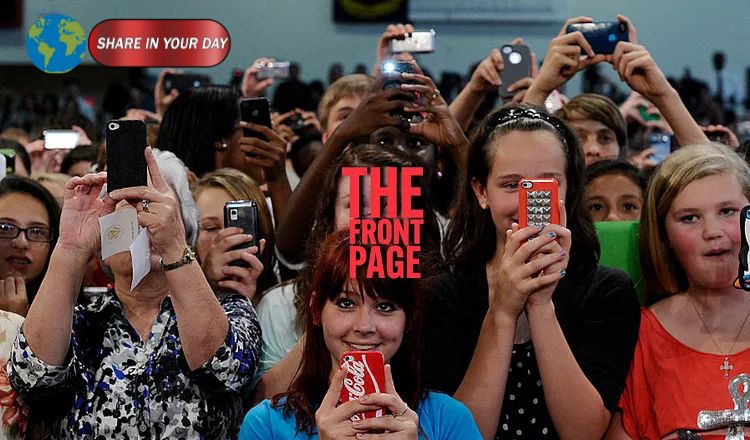
The Role of Smartphones in Modern Life
Smartphones have transformed the way we live, work, and communicate. They allow us to stay connected 24/7, manage our work on the go, and access a seemingly endless amount of information. Yet, with this convenience comes a darker side. Studies suggest that excessive smartphone use is linked to increased feelings of anxiety and depression, especially in young adults and teenagers. But the relationship between phone use and mental health isn’t as straightforward as it may seem.
The Problem Isn’t Just the Phones—It’s How We Use Them
While smartphones themselves aren’t inherently harmful, the way we use them can be. Scrolling through social media, checking work emails late into the night, and constantly being available to others can take a toll on our mental health. Research indicates that the more time we spend on our phones, especially on platforms like Instagram, Twitter, and TikTok, the more likely we are to experience feelings of isolation and inadequacy.
Social media can create unrealistic comparisons, leading to anxiety and low self-esteem. The constant barrage of notifications can disrupt our attention spans and prevent us from being truly present in the moment. But is this really a problem with the phones themselves, or are we merely using them in ways that exacerbate underlying issues?
The Deeper Problem: Societal Pressures and Expectations
The real issue may not be the phones, but rather the societal pressures that drive us to overuse them. The fear of missing out (FOMO), constant comparison, and the need to always be “on” have created a perfect storm for mental health challenges. These pressures exist independently of smartphones but have been amplified by them.
Smartphones are simply the tool through which these pressures manifest. They allow us to connect, compare, and consume in ways that weren’t possible before. The anxiety that many feel when they receive a notification or check their social media feed is not just about the phone itself, but about how we’ve integrated these devices into our work, social lives, and self-worth.
A Balanced Approach: Digital Detox and Mindful Use
Instead of pointing fingers at smartphones, perhaps we should focus on how to use them more mindfully. Digital detoxes and strategies like limiting screen time or setting boundaries for phone use can help reduce the negative impact on our mental health. It’s also crucial to foster a sense of balance—using technology to enhance our lives, not overwhelm them.
It’s not about abandoning phones altogether but about learning to use them in a way that supports rather than harms our well-being. By being intentional about how and when we engage with our devices, we can reclaim control and create healthier boundaries.
Conclusion: Phones Aren’t the Villains
While there’s no denying that smartphones play a significant role in modern life, they aren’t the root cause of the mental health crisis. The real issue lies in how we use these devices and the broader societal pressures that come with constant connectivity. By approaching technology with mindfulness and balance, we can mitigate its negative effects and protect our mental well-being.