US Launches New Strike in Caribbean
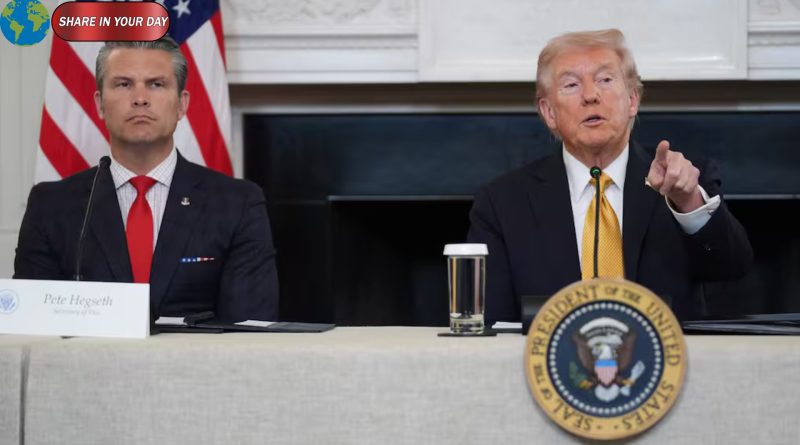
The United States Department of Defense (DoD) has confirmed a lethal strike on a vessel in the Caribbean Sea linked to illicit narcotics trafficking, according to Pete Hegseth, the US Defence Secretary. The operation resulted in the deaths of three individuals aboard a craft the military says was operated by a US-designated terrorist organisation.
The DoD states the vessel was transiting a known trafficking corridor, carrying narcotics and connected to illicit smuggling operations.
Part of a Broader Campaign
This latest strike brings the US campaign in the Caribbean and eastern Pacific to at least the 15th operation since early September.
1News
The cumulative death toll from these strikes is now at 64 or more.
US President Donald Trump has defended the campaign as a necessary escalation in the fight against drug flows into the United States, characterising cartel-linked smuggling operations as part of an “armed conflict”.
Legal and Transparency Concerns
Despite repeated requests by US Senators—including Chuck Schumer, Jack Reed and others—for details, the administration has declined to fully disclose the legal basis for the strikes or specify the targeted groups.
In a letter sent to Secretary of State Marco Rubio and national intelligence officials, lawmakers asked for legal opinions related to the use of force and a list of the entities the president has designated as targetable under those authorities.
What This Means
The escalation signals the US is treating narcotics-smuggling networks with a similar approach to terror groups—employing direct military action rather than purely law-enforcement measures.
The lack of public legal clarification or detailed disclosures raises civil-liberties concerns at home and questions abroad about sovereignty and maritime rules of engagement.
For the region, these operations may alter the calculus for traffickers: moving routes, shifting methods, or increasing risk.
Outlook
The US is likely to continue operations of this type unless Congress demands detailed oversight or a change in policy is forced via legislation. For regional states, this may mean increased US maritime cooperation or pressure to tighten enforcement.