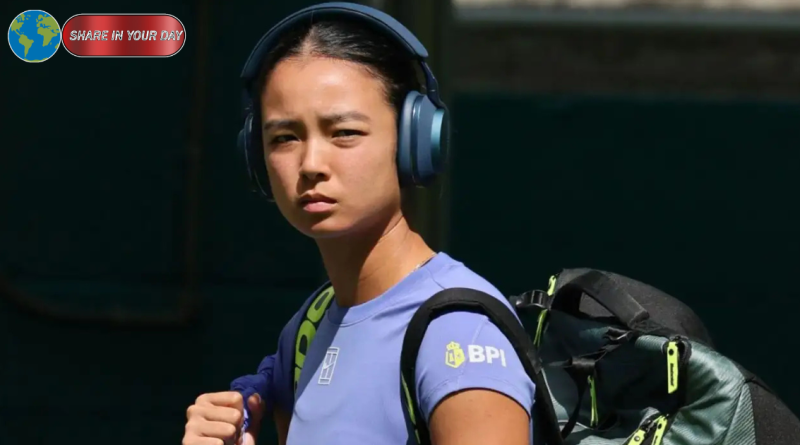
Alex Eala Problem: 5 Warning Signs Compared to Emma Raducanu
The emerging Alex Eala problem is becoming a growing topic in tennis circles, as experts begin comparing the Filipina rising star to former US Open champion Emma Raducanu.
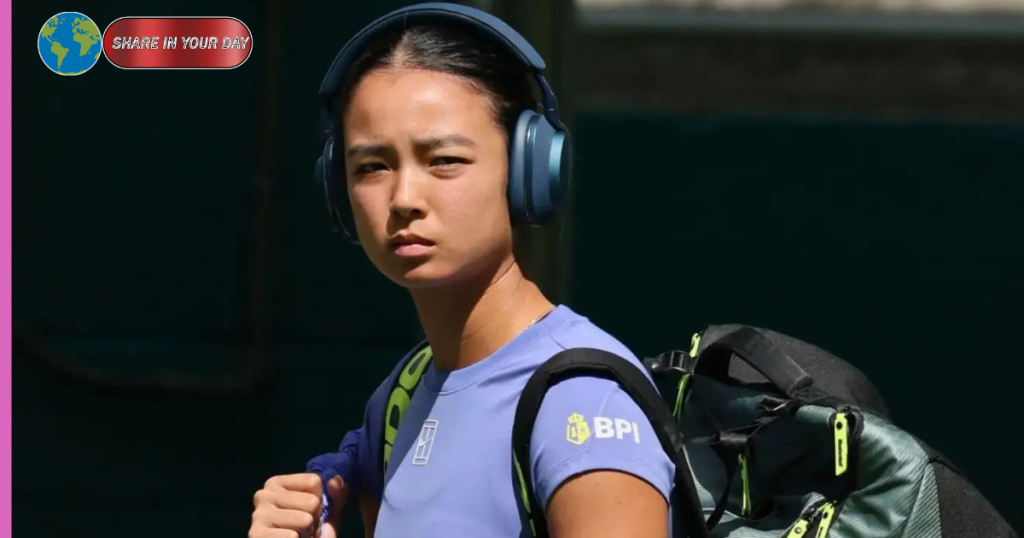
While Alexandra Eala has enjoyed a remarkable rise over the past year, analysts warn she may be developing a pattern that has already limited Raducanu’s long-term consistency.
The comparison is not about talent—both players are widely regarded as elite prospects—but rather about sustainability, performance patterns, and handling pressure at the highest level.
1. A Recurring Consistency Issue Emerging
One of the clearest aspects of the Alex Eala problem is a developing inconsistency in results at major tournaments.
Eala’s breakthrough came during her stunning run at the Miami Open, where she defeated top-tier opponents, including a victory over Iga Świątek. However, replicating that level has proven difficult.
While she continues to perform solidly on the WTA Tour, her Grand Slam results have not yet matched expectations. This inconsistency mirrors a pattern seen in Raducanu’s career following her historic 2021 US Open triumph.
2. The Raducanu Blueprint: One Big Peak, Then Struggles
The comparison to Raducanu is unavoidable. The British star shocked the world by winning the US Open as a qualifier, reaching world No. 10 shortly after.
However, sustaining that level has proven difficult. Injuries, form fluctuations, and changing coaching setups have all contributed to uneven performances in the years since.
Experts now fear that the Alex Eala problem could follow a similar trajectory:
- Breakthrough success early
- Massive expectations from fans and media
- Difficulty maintaining peak performance consistently
This “boom-then-struggle” pattern is one of the biggest risks for young stars entering the elite level.
3. Pressure of Expectations and Rapid Rise
Another critical element of the Alex Eala problem is the pressure that comes with rapid success.
Eala has become one of the most talked-about players in women’s tennis, with a rapidly growing fanbase and increasing global attention.
This level of exposure can be a double-edged sword. On one hand, it brings sponsorship opportunities and global recognition. On the other, it creates intense pressure to perform at every tournament.
Raducanu faced a similar situation:
- Sudden global fame after US Open win
- Heavy media scrutiny
- Increased expectations at every event
Managing this pressure is often more difficult than the tennis itself.
4. Ranking Volatility Raises Concerns
Despite her impressive rise, Eala’s ranking has shown signs of fluctuation, especially after failing to replicate deep runs in major tournaments.
She reached a career-high ranking inside the top 30 in 2026, a historic milestone for Filipino tennis.
However, maintaining that position requires consistent results across multiple tournaments—a challenge that has troubled many young players, including Raducanu.
Ranking volatility can signal deeper issues:
- Difficulty sustaining form
- Struggles adapting to different surfaces
- Physical and mental fatigue
These factors all contribute to long-term career stability.
5. The Key Difference: Long-Term Development Approach
Despite the concerns, there is a crucial difference between Eala and Raducanu.
Eala’s development has been more gradual and structured. She has trained at the prestigious academy linked to Rafael Nadal, focusing on long-term improvement rather than immediate success.
This approach could help her avoid the pitfalls that have affected Raducanu.
Key strengths in Eala’s development include:
- Strong tactical awareness
- Mental resilience praised by analysts
- Steady improvement across tournaments
Experts believe that if she can address the Alex Eala problem, she has the potential to break into the world’s top 10.
Head-to-Head: No Match Yet, But Comparison Builds
Interestingly, Eala and Raducanu have not yet faced each other in an official match.
However, the comparison continues to grow because of their similar career arcs:
| Factor | Alex Eala | Emma Raducanu |
|---|---|---|
| Breakthrough moment | Miami Open run | US Open title |
| Career-high ranking | Top 30 (2026) | No. 10 (2022) |
| Key challenge | Consistency | Injuries & form |
| Playing style | Aggressive baseline | Aggressive baseline |
Both players rely on aggressive baseline play, making them exciting to watch—but also vulnerable to inconsistency when confidence dips.
Why This Problem Matters for the Future
The Alex Eala problem is not just a short-term issue—it could define her entire career trajectory.
If she can solve it, she could:
- Become a consistent Grand Slam contender
- Break into the WTA top 10
- Establish herself as a global tennis superstar
If not, she risks following a path similar to many talented players who peaked early but struggled to sustain success.
What Eala Needs to Improve
To overcome the Alex Eala problem, experts suggest focusing on several key areas:
1. Grand Slam Performance
Deliver consistent results in major tournaments.
2. Physical Endurance
Handle the demands of a full tennis season.
3. Mental Stability
Maintain confidence after losses.
4. Tactical Adaptation
Adjust strategies against different opponents and surfaces.
These improvements are essential for transitioning from a rising star to an elite player.
A Star Still on the Rise
Despite the concerns, it is important to emphasize that Eala’s career is still in its early stages.
At just 20 years old, she has already achieved milestones that many players never reach. Her victories over top-ranked opponents and growing presence on the tour suggest a bright future.
Meanwhile, Raducanu herself is still attempting to rebuild consistency and return to the top tier of women’s tennis.
Conclusion
The Alex Eala problem highlights a familiar challenge in modern tennis: how to sustain early success in a highly competitive environment.
Comparisons to Emma Raducanu underline both the opportunities and risks facing Eala as she continues her rise.
However, unlike many before her, Eala appears to have the structure, mindset, and support system needed to overcome these challenges.
If she succeeds, she could not only avoid Raducanu’s struggles—but surpass them.