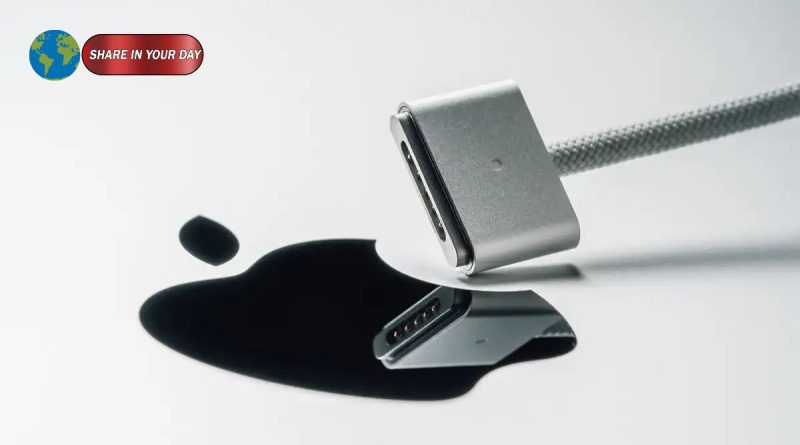
Apple to Keep USB‑C on iPhone 18: Viral Rumor of Port Removal Is False
February 19, 2026 — A viral social media post claiming that Apple’s upcoming iPhone 18 will drop its USB‑C port in favor of a Mac‑book‑style magnetic connector has been debunked by industry analysts and tech journalists. The unfounded rumor — which has amassed millions of views — appears to stem from a misunderstanding of Apple’s existing MagSafe wireless charging technology, not credible product leaks or supply‑chain sources.
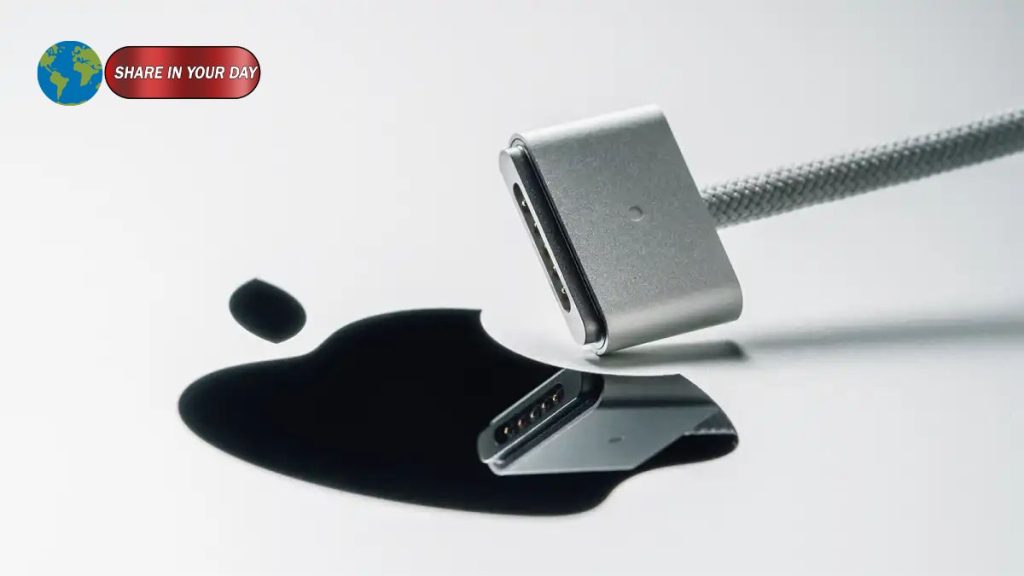
According to reporting by Macworld, the animation circulating on social networks portrays a magnetic plug similar to the MagSafe connector used on Apple’s laptops, misleading many viewers into believing this would replace the USB‑C port on future iPhones. However, this interpretation is almost certainly incorrect.
Rumor vs. Reality
In the video, a braided charging cable snaps onto the bottom of an alleged iPhone 18 with visible LEDs and a magnetic fit, invoking imagery more akin to the MagSafe system found on MacBook computers than Apple’s current smartphone charging standard. Apple has relied on a physical USB‑C port on its iPhone lineup since the iPhone 15 as a result of regulatory and practical considerations, meaning users can charge, transfer data, and restore devices via a universal connector.
Industry observers point out that the social clip does not cite any credible sources — such as supply‑chain insiders, certified leaks, or verified production schematics — and instead appears to be an imaginative concept that gained traction largely through social media sharing.
Experts also note that Apple’s existing MagSafe system for iPhones — introduced with the iPhone 12 series and retained on recent models — uses a ring of magnets for wireless charging and accessory attachment, not for wired power delivery or data transfer. This differs dramatically from the magnetic power connectors found on some MacBooks, which are designed to detach easily to prevent accidental damage.
Why USB‑C Is Likely to Stay
Regulatory factors further support the likelihood that USB‑C will remain standard on future iPhones. The European Union’s common charger mandate requires that smartphones sold in the bloc — and likely globally for consistency — employ USB‑C connectors for wired charging, creating legal and logistical obstacles for any move back to proprietary or alternative standards.
Analysts also argue that removing the USB‑C port entirely would disrupt familiar workflows such as wired charging, data transfer, and device recovery — capabilities that remain important for many users. While Apple has experimented with wireless features and protocols, a wholesale removal of USB‑C from its flagship smartphones would represent a radical departure from current industry practices and user expectations.
MagSafe Confusion and the Spread of Rumors
Part of the confusion fueling the rumor appears to come from Apple’s reuse of the MagSafe name. While MagSafe on an iPhone refers to a wireless magnetic charging accessory system, MacBooks employ a magnetic physical charging connector that serves a different purpose. For many viewers unfamiliar with this distinction, conflating the two may have lent superficial plausibility to the idea of a magnetic wired charging port replacing USB‑C on the iPhone.
Despite the appeal of sleek, portless designs — something that has occasionally surfaced in past speculation about future iPhones — there is no credible indication that Apple plans to remove USB‑C altogether when the iPhone 18 series debuts. Instead, USB‑C looks set to remain the primary wired interface for charging and connectivity for the foreseeable future.
Looking Ahead
Apple’s yearly smartphone cycle means that details about the iPhone 18 series will continue to evolve throughout 2026. Reliable information is likely to come from a mix of official announcements and verified supply‑chain reports as the release approaches. For now, at least, the idea that Apple will drop USB‑C in favor of a magnetic port on the next flagship iPhone remains firmly in the realm of online fiction rather than consumer reality.