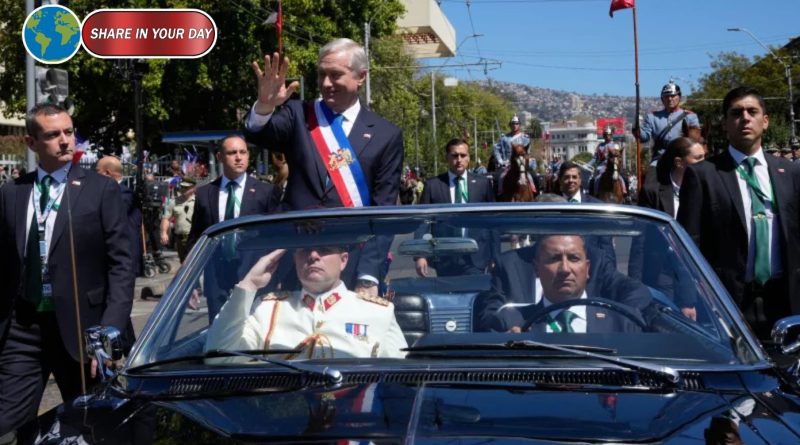
Chile Turns Right as José Antonio Kast Takes Office as President
A dramatic political shift unfolded in Chile this week as José Antonio Kast was sworn in as the country’s new president, marking the strongest move toward conservative leadership since the era of military ruler Augusto Pinochet.
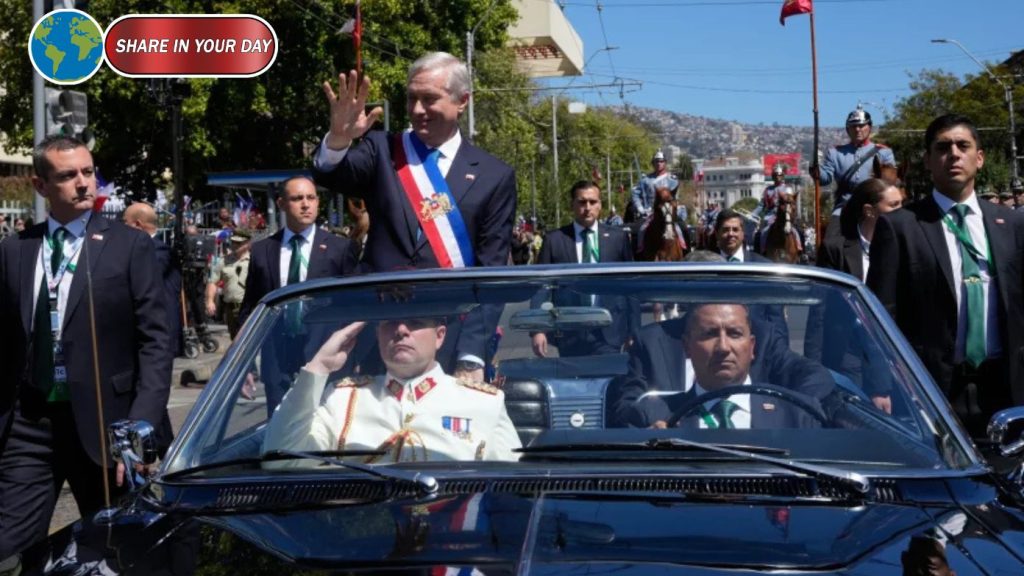
The inauguration ceremony took place at the National Congress in Valparaíso on March 11, formally ending the presidency of Gabriel Boric and ushering in a new political direction for the South American nation. Analysts say Kast’s victory reflects growing public concern over crime, migration, and economic uncertainty.
Kast, a longtime conservative figure who built his political identity opposing liberal social policies, secured the presidency after winning a decisive runoff election in December with roughly 58% of the vote.
A Shift in Chile’s Political Landscape
Chile’s transition to Kast’s leadership represents one of the most significant ideological changes since the country returned to democracy in 1990.
For much of the past decade, Chilean politics had been shaped by progressive reform movements. Under Boric’s government, policymakers attempted to expand social protections and address inequality. However, many voters grew frustrated with rising crime rates and slow economic recovery following the pandemic and political unrest.
Kast’s campaign tapped directly into those concerns. He promised stronger law-and-order policies, tighter immigration controls, and a more market-friendly economic strategy aimed at restoring investor confidence.
Political scientists say this shift mirrors a broader trend across parts of Latin America, where conservative leaders have gained momentum by emphasizing security and economic stability.
From Political Outsider to President
Kast’s rise to power marks the culmination of a long political journey.
Once considered a fringe figure on Chile’s far right, he spent decades advocating for socially conservative values and defending aspects of the country’s authoritarian past. Over time, his message found a growing audience among voters disillusioned with mainstream political parties.
His political career began in the right-wing Independent Democratic Union before he eventually founded the Republican Party, positioning himself as a staunch defender of traditional values and strong government authority.
In his third attempt to win the presidency, Kast finally succeeded, defeating left-wing candidate Jeannette Jara in a runoff election that produced one of the largest margins in Chile’s modern democratic history.
Security and Immigration at the Center of His Agenda
During his campaign and early statements as president, Kast repeatedly emphasized public safety as his administration’s top priority.
Chile, long considered one of Latin America’s safest countries, has seen rising public anxiety over crime in recent years. Kast has pledged to increase police powers, strengthen border enforcement, and implement stricter measures against illegal immigration.
He has described his government as an “emergency administration” focused on addressing what he views as urgent national challenges—particularly security, economic stagnation, and migration.
The focus on security was underscored on the day of his inauguration when a police officer was seriously wounded in a shooting incident in southern Chile, highlighting the concerns that shaped much of the election campaign.
Concerns Among Human Rights and Social Groups
Kast’s presidency has also sparked concern among human rights advocates and progressive organizations.
Critics point to his past admiration for aspects of the Pinochet era and fear his administration could roll back social reforms achieved in recent years. Women’s rights groups, in particular, have expressed alarm over his opposition to abortion and other progressive gender policies.
Chile legalized abortion under limited circumstances in 2017, and activists worry the new government could attempt to restrict those rights further.
Despite these concerns, Kast has attempted to reassure voters that his administration will prioritize practical governance and economic recovery rather than ideological battles.
A Divided Congress and a Challenging Road Ahead
Although Kast secured a strong electoral mandate, his ability to implement sweeping reforms may depend on cooperation within a politically divided Congress.
Chile’s legislature remains fragmented, forcing the new president to negotiate with centrist and opposition parties to pass major legislation. Analysts say the first months of his presidency will be crucial in determining whether he can translate campaign promises into concrete policy.
Regional and international dynamics will also play a role, particularly as Latin America experiences its own shifting political currents.
A New Chapter for Chile
As Chile begins this new political chapter, expectations surrounding Kast’s leadership remain sharply divided.
Supporters view him as a decisive leader capable of restoring order and economic confidence. Critics, however, fear that his presidency could deepen ideological divisions within the country.
For now, Kast faces the immediate challenge of navigating those tensions while addressing the issues that propelled him to power.
The outcome of his presidency may ultimately determine whether Chile’s political shift to the right represents a temporary reaction—or a lasting transformation in the country’s democratic trajectory.