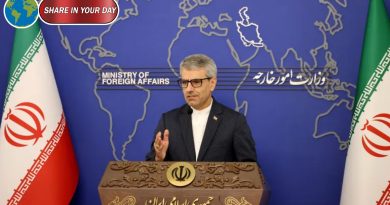
China Iran Peace Deal: 5 Key Ceasefire Moves
The proposed China Iran peace deal is rapidly emerging as a potential turning point in the escalating 2026 Middle East conflict. Announced jointly by China and Pakistan, the initiative aims to halt hostilities and restore stability in one of the world’s most critical geopolitical regions.
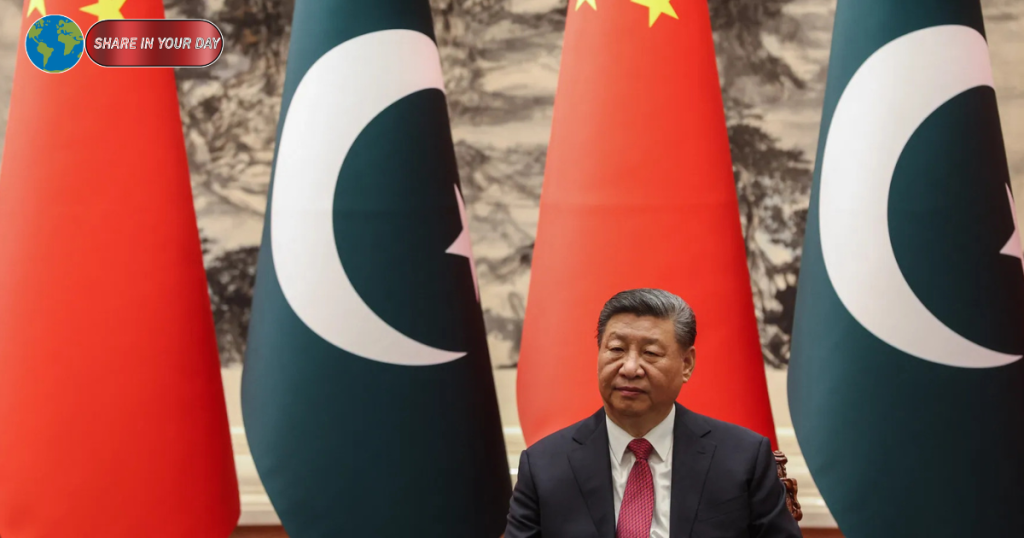
At the center of the proposal is a clear trade-off: an immediate ceasefire in exchange for reopening the Strait of Hormuz, a vital global oil shipping route. As tensions continue to disrupt energy markets and raise fears of wider war, this diplomatic move is gaining international attention.
A Strategic Proposal Backed by China and Pakistan
The China Iran peace deal was unveiled following high-level talks in Beijing between Chinese Foreign Minister Wang Yi and Pakistan’s Foreign Minister Ishaq Dar. The proposal outlines a multi-step roadmap focused on de-escalation and diplomacy.
Key elements include:
- Immediate cessation of military operations
- Launch of formal peace negotiations
- Protection of civilian and critical infrastructure
- Restoration of maritime security
- Reopening of the Strait of Hormuz
According to reports, both countries emphasized that dialogue remains the only viable path forward amid rising tensions.
Why the Strait of Hormuz Is Central
The China Iran peace deal revolves heavily around the Strait of Hormuz, a narrow waterway that handles a significant portion of the world’s oil supply.
Since the conflict escalated, Iran has restricted access to the strait, effectively disrupting global trade and energy flows. This has led to:
- Rising oil prices
- Shipping delays and rerouting
- Increased military presence in the region
In fact, only limited vessels—often linked to countries maintaining neutral or favorable relations with Iran—have been able to pass through safely.
Therefore, reopening the strait is not just a regional concern—it is a global economic priority.
Pakistan’s Role as a Key Mediator
Pakistan has emerged as a crucial intermediary in the China Iran peace deal, leveraging its unique diplomatic relationships.
The country maintains ties with:
- The United States
- Iran
- Saudi Arabia
- China
This positioning allows Pakistan to act as a bridge between competing interests. Analysts note that Islamabad has actively promoted dialogue and even offered to host peace talks.
Additionally, Pakistan faces direct risks from the conflict, including:
- Border instability with Iran
- Economic pressure from disrupted oil supplies
- Potential spillover of regional violence
These factors give Pakistan strong incentives to push for a diplomatic resolution.
China’s Expanding Diplomatic Influence
China’s involvement in the China Iran peace deal signals a significant shift in global geopolitics.
Traditionally cautious in military conflicts, Beijing has instead positioned itself as a neutral mediator focused on stability. Its priorities include:
- Securing energy imports from the region
- Protecting global trade routes
- Expanding diplomatic influence
China has long-standing economic ties with Iran and is its largest oil customer. As a result, prolonged instability threatens Beijing’s strategic interests.
By stepping into a mediation role, China is not only addressing immediate concerns but also strengthening its position as a global diplomatic power.
U.S. Reaction and Ongoing Negotiations
While the China Iran peace deal has gained traction, the United States has responded cautiously.
President Donald Trump has not fully endorsed the proposal but indicated that negotiations with Iran are progressing positively.
At the same time:
- The U.S. continues military operations in the region
- Washington has its own peace framework under discussion
- Pressure remains on Iran to reopen the Strait of Hormuz
Interestingly, some analysts interpret the lack of strong opposition from the U.S. as a sign that the proposal could align with broader diplomatic efforts.
The Broader Impact on Global Markets
The China Iran peace deal carries significant implications for global markets, particularly energy.
Since the conflict began:
- Oil prices have surged
- Shipping insurance costs have increased
- Supply chains have faced major disruptions
Any successful ceasefire agreement could:
- Stabilize oil prices
- Restore normal shipping operations
- Reduce economic uncertainty worldwide
Conversely, failure to reach an agreement could deepen the crisis and trigger further escalation.
Challenges Facing the Peace Plan
Despite its promise, the China Iran peace deal faces several obstacles:
1. Conflicting Demands
Different parties have competing objectives, making consensus difficult.
2. Trust Deficit
Years of geopolitical tension have eroded trust between key actors.
3. Military Momentum
Ongoing operations may reduce incentives for immediate compromise.
4. Regional Complexity
The involvement of multiple countries increases the risk of escalation.
Moreover, Iran has previously signaled resistance to certain international demands, suggesting negotiations may be prolonged.
A Potential Turning Point in the War
The China Iran peace deal represents one of the most significant diplomatic efforts since the conflict began.
If successful, it could:
- End weeks of intense fighting
- Prevent further humanitarian crises
- Reopen critical global trade routes
Additionally, it could reshape alliances and redefine how major powers engage in conflict resolution.
What Happens Next?
The coming days will be critical for the China Iran peace deal.
Key developments to watch include:
- Iran’s official response to the proposal
- U.S. stance on multilateral negotiations
- Progress toward reopening the Strait of Hormuz
- Potential ceasefire announcements
Notably, President Trump is expected to address the nation soon, potentially outlining the next phase of U.S. strategy.
Conclusion: A High-Stakes Diplomatic Gamble
The China Iran peace deal is more than just a ceasefire proposal—it is a high-stakes diplomatic effort with global consequences.
By linking peace to the reopening of the Strait of Hormuz, China and Pakistan have introduced a pragmatic solution to a complex crisis. However, its success will depend on cooperation from all major stakeholders.
For now, the world watches closely as diplomacy attempts to succeed where military force has struggled.