Chinese Automakers Eye U.S. Market Move: Vehicles Could Hit U.S. Showrooms Within a Decade
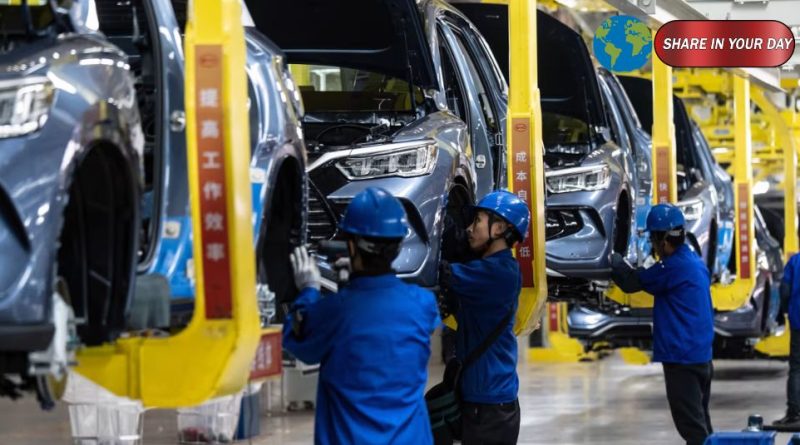
Chinese automakers are increasingly positioning themselves for entry into the U.S. automobile market, a strategic shift that could reshape the global automotive landscape and offer consumers new choices — especially in the electric vehicle (EV) segment. According to industry analysts, leading Chinese brands are planning for a market presence in the United States within the next five to ten years, even as high tariffs and trade tensions continue to present challenges.
Barriers and the Road Ahead
For decades, Chinese carmakers have dominated global vehicle production and exports, but the U.S. market has remained largely inaccessible due to tariffs, trade policy barriers, and a historically protectionist stance. Chinese automakers currently hold less than 1 % market share in the U.S., a stark contrast with their growing footprint in Europe, Southeast Asia, and Latin America.
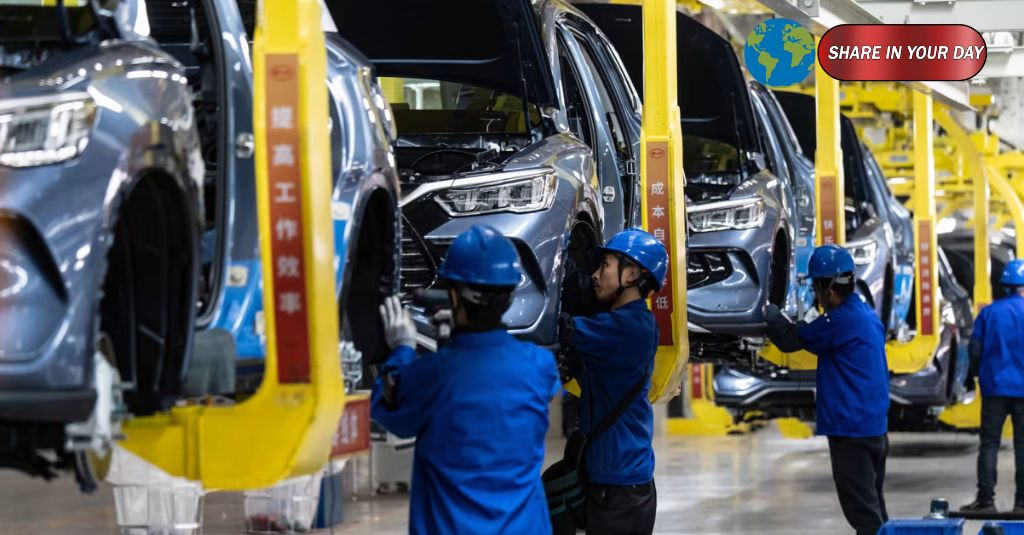
Analysts note that many Chinese manufacturers — including heavyweights such as BYD, Geely, and Chery — have demonstrated a strong “readiness to come to the United States,” with plans that may include establishing manufacturing facilities on American soil rather than exporting vehicles directly from China. This approach would help them circumvent steep import tariffs and align with U.S. domestic content requirements in trade agreements like the US‑Mexico‑Canada Agreement (USMCA).
The EV Advantage and Consumer Appeal
China’s strength in electric vehicle technology is a key driver behind these expansion plans. With competitive pricing, cutting‑edge battery systems, and rapid development cycles, Chinese EVs have surged worldwide, with companies like BYD overtaking traditional leaders in global EV sales.
Experts argue that if Chinese automakers can offer more affordable, technologically advanced EV models, the U.S. market — where EV adoption continues to grow — could become a lucrative arena. Analysts describe the United States as the “ultimate arena for triumph,” given its affluent consumer base and potential for higher profit margins.
Strategic Manufacturing and Partnerships
Chinese firms may pursue joint ventures or partnerships with U.S. automakers as part of their market strategy, echoing earlier patterns of automotive globalization. A report suggests that frameworks under discussion could allow Chinese companies to manufacture vehicles in the United States through partnerships, with U.S. companies holding controlling stakes.
This model resembles the approach China’s auto industry once used domestically — a strategy that helped it rapidly mature and scale production in partnership with global manufacturers decades ago.
Industry Implications and Competitive Dynamics
A Chinese entry into the U.S. auto market could intensify competition with established American manufacturers like Ford, General Motors, and Tesla — particularly as the EV transition accelerates globally. Analysts say heightened competition could drive innovation, lower prices for consumers, and expand vehicle options.
However, it also poses strategic challenges. U.S. automakers and policymakers are weighing complex considerations around national industrial capacity, auto supply chains, and the balance between protectionism and market openness. Whether Chinese brands achieve broad U.S. distribution may depend on how these policy debates evolve in the coming years.
Looking Forward
Although concrete announcements about specific model launches or factory openings in the United States are still years away, industry insiders believe the momentum is building. With global EV demand rising and Chinese electric vehicle exports continuing to climb, American showrooms could soon feature right‑hand‑drive models from Beijing — not just Detroit.
As the timeline advances toward the end of the decade, whether these automakers enter the U.S. by 2029 or sooner will hinge on tariff negotiations, policy shifts, and strategic alliances that navigate both economic and geopolitical currents shaping the international auto industry.