Cuba Jet Fuel Shortage Worsens as U.S. Sanctions Force Airline Adjustments
HAVANA — Cuba’s worsening jet fuel shortage has prompted international airlines to adjust operations and suspend service to the island, after aviation authorities warned that fuel supplies at several major airports could dry up through March 11 amid deepening energy shortages linked to tightened U.S. sanctions.
The Cuban government issued official notices to carriers last week, saying aviation fuel — crucial to keeping international flights operating — would not be available at nine airports, including José Martí International Airport in Havana and other regional hubs. The advisory is expected to remain in effect until early March.
Sanctions Cut Off Key Fuel Links
The crisis stems from the U.S. administration’s intensification of punitive measures that have effectively cut Cuba off from principal oil suppliers, particularly Venezuela and Mexico. These countries played a key role in supplying refined petroleum to the island nation, which lacks domestic production capacity sufficient to meet its aviation and broader fuel needs.
In late January, President Donald Trump signed an executive order authorizing tariffs on goods from countries that supply oil to Cuba, a move that has further discouraged fuel shipments and compounded Cuba’s energy crunch. This policy shift has indirectly disrupted Cuba’s ability to import jet fuel, intensifying shortages already felt across the tourism-dependent economy.
Airlines Adjust as Refueling Options Disappear
The jet fuel crisis has forced notable operational changes by airline carriers:
- Air Canada announced it would suspend flights to Cuba, citing the unreliability of refueling options on the island. The airline plans to fly empty aircraft into Cuba to repatriate roughly 3,000 stranded passengers and assess future service adjustments.
- Canadian carriers WestJet and Air Transat are also adapting operations, either suspending some services or arranging specialized repatriation flights.
- European airlines such as Air Europa and Iberia are continuing scheduled service but have begun technical refueling stops in nearby countries like the Dominican Republic to ensure aircraft can complete their routes safely.
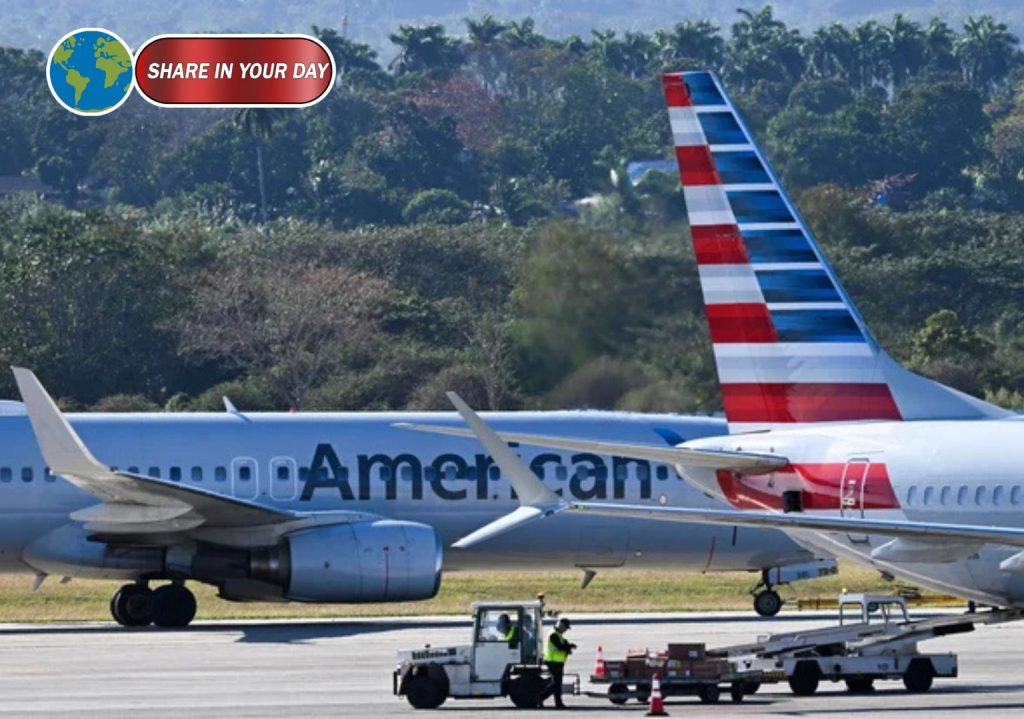
- U.S. carriers including American Airlines, Delta Air Lines and Southwest Airlines say their operations remain unaffected so far — largely because flights from the United States to Cuba are short enough that aircraft can carry enough fuel for round trips or alternate destinations without refueling on the island.
The lack of refueling capability poses a significant challenge for long-haul routes from countries such as Canada, Russia and across Europe, which historically relied on Cuban airports for interim fuel stops.
Broader Impact on Tourism and Infrastructure
The jet fuel shortage has hit at a sensitive time for Cuba’s tourism sector — a vital economic lifeline that once drew millions of visitors annually. With fuel supplies constrained, airlines are facing higher costs, increased logistical complexity, and the potential for reduced connectivity that could deter travelers.
Cuba’s energy crisis extends beyond aviation. Ongoing fuel scarcity has led to power outages, reductions in public transport services, fuel rationing and curtailed cultural events, amplifying hardships for residents and visitors alike. The situation has prompted comparisons to the crippling shortages of the 1990s “Special Period” following the dissolution of Soviet support.
International Response
The fuel shortage has drawn attention from global partners. China’s foreign ministry affirmed its willingness to assist Cuba as the crisis unfolds, reaffirming support for Cuban sovereignty and opposition to foreign intervention.
Mexican President Claudia Sheinbaum also criticized U.S. sanctions as unfair while affirming that Mexico would continue humanitarian support that includes food and essential supplies.