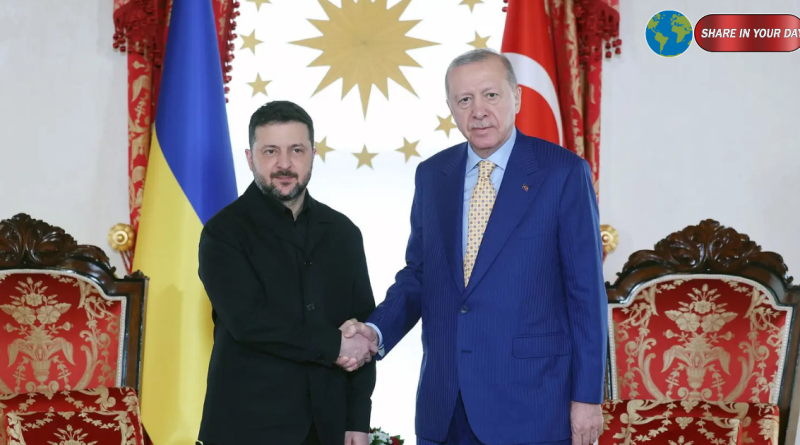
Erdogan Zelensky Meeting Signals New Diplomatic Push
The Erdogan Zelensky meeting in Istanbul has drawn global attention, coming just one day after Turkish President Recep Tayyip Erdoğan held a phone call with Russian leader Vladimir Putin. The timing of these high-level diplomatic engagements underscores Turkey’s increasingly pivotal role in mediating the ongoing war between Russia and Ukraine.
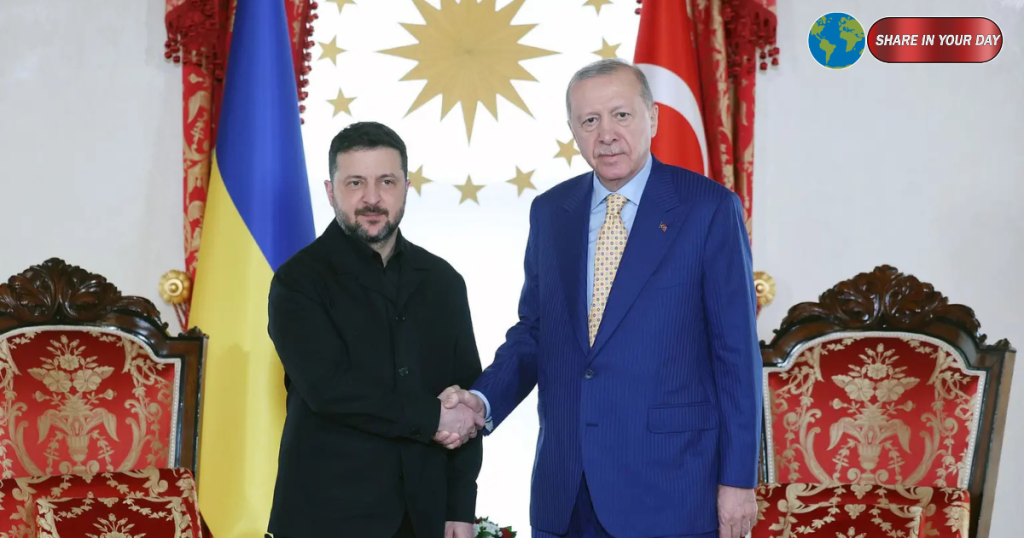
Ukrainian President Volodymyr Zelenskyy traveled to Turkey for talks that focused on security cooperation, regional stability, and potential pathways toward peace. The meeting, held in Istanbul on April 4, 2026, highlights renewed diplomatic momentum amid continued fighting on the battlefield.
A Meeting Shaped by Strategic Timing
The significance of the Erdogan Zelensky meeting lies not only in its content but also in its timing. Just one day earlier, Erdoğan spoke directly with Putin, discussing regional issues and ongoing geopolitical tensions.
This sequence of engagements positions Turkey as a rare intermediary maintaining open lines of communication with both Kyiv and Moscow. Unlike many NATO members, Turkey has balanced its relationships with both sides since the start of the war.
Zelenskyy’s visit followed shortly after the call, suggesting coordinated diplomatic efforts aimed at exploring new opportunities for dialogue and cooperation.
Key Outcomes of the Erdogan Zelensky Meeting
Following the talks, Zelenskyy confirmed that both leaders agreed on “new steps in security cooperation.”
These steps include:
- Expanded collaboration in defense technology
- Sharing wartime expertise and tactical knowledge
- Strengthening joint security initiatives
Zelenskyy emphasized that Ukraine is prepared to support Turkey with its battlefield experience, particularly in areas such as drone warfare and modern combat strategies.
This reflects Ukraine’s evolving role—not just as a recipient of aid, but as a contributor to international security partnerships.
Turkey’s Role as a Mediator
Turkey has consistently positioned itself as a mediator in the Russia-Ukraine conflict. Since 2022, Ankara has hosted negotiations, facilitated grain export agreements, and maintained diplomatic ties with both nations.
During the Erdogan Zelensky meeting, Erdoğan reaffirmed his commitment to supporting peace talks between Ukraine and Russia.
Turkey’s unique geopolitical position allows it to:
- Engage directly with both Kyiv and Moscow
- Maintain influence in the Black Sea region
- Act as a neutral ground for negotiations
This balancing act has made Turkey one of the few countries capable of bridging the diplomatic gap between the two sides.
Broader Context: Ongoing War and Escalation
The meeting comes at a time of intensified conflict. Russia and Ukraine continue to exchange large-scale drone and missile strikes, causing casualties and infrastructure damage.
Recent developments include:
- Hundreds of drones launched in coordinated attacks
- Civilian casualties in multiple regions
- Continued targeting of energy and industrial facilities
Despite these escalations, diplomatic efforts have not ceased. Instead, they are evolving alongside the conflict, with countries like Turkey attempting to create openings for dialogue.
Istanbul as a Diplomatic Hub
The choice of Istanbul as the meeting location is significant. The city has become a recurring venue for negotiations related to the war.
Turkey previously hosted early peace talks in 2022, and Istanbul continues to be seen as neutral ground for potential future discussions.
There are even indications that broader negotiations—including possible direct talks between Ukraine and Russia—could take place in Turkey if conditions allow.
Energy and Security Cooperation
Beyond military cooperation, the Erdogan Zelensky meeting also touched on energy partnerships.
Discussions reportedly included:
- Joint gas infrastructure projects
- Potential collaboration on energy development
- Strengthening regional energy security
These initiatives highlight the economic dimension of the relationship, which complements the security-focused agenda.
Energy security remains a critical issue in the region, especially given the war’s impact on supply routes and infrastructure.
Diplomatic Signaling to Russia
The timing of the meeting also sends a clear message to Moscow.
By engaging with Zelenskyy immediately after speaking with Putin, Erdoğan demonstrates Turkey’s intention to remain actively involved in shaping the diplomatic landscape.
This dual engagement strategy allows Turkey to:
- Maintain credibility with both sides
- Influence the direction of negotiations
- Reinforce its role as a key power broker
While it does not guarantee progress toward peace, it keeps communication channels open—an essential factor in any prolonged conflict.
Ukraine’s Expanding Global Partnerships
The Erdogan Zelensky meeting is part of a broader effort by Ukraine to strengthen international alliances.
In recent months, Kyiv has:
- Signed agreements with Middle Eastern countries
- Expanded defense cooperation with multiple partners
- Increased diplomatic outreach beyond Europe
These efforts aim to diversify Ukraine’s support network and reduce reliance on any single region.
Turkey plays a crucial role in this strategy due to its geographic location and political influence.
Challenges to Peace Efforts
Despite renewed diplomatic activity, significant obstacles remain.
Key challenges include:
- Deep mistrust between Russia and Ukraine
- Disagreements over territory and sovereignty
- Ongoing military operations on both sides
Previous rounds of negotiations—such as those held in Abu Dhabi and Geneva—have struggled to produce concrete results.
While Turkey’s mediation offers hope, achieving a lasting ceasefire or peace agreement will require substantial compromises from all parties involved.
Global Reactions and Implications
The Erdogan Zelensky meeting has been closely watched by the international community.
Analysts see it as:
- A sign of renewed diplomatic momentum
- An indication of Turkey’s growing geopolitical influence
- A potential stepping stone toward future negotiations
However, skepticism remains about whether such meetings can translate into tangible outcomes.
The war has entered a prolonged phase, and diplomatic breakthroughs have proven elusive.
The Bigger Picture
At its core, the Erdogan Zelensky meeting reflects the complex interplay between diplomacy and conflict.
While fighting continues on the ground, leaders are simultaneously exploring pathways to de-escalation.
Turkey’s role highlights the importance of:
- Neutral intermediaries
- Open communication channels
- Strategic diplomacy in times of war
These elements are critical for any long-term resolution.
Conclusion
The Erdogan Zelensky meeting in Istanbul marks a significant moment in ongoing diplomatic efforts surrounding the Ukraine war.
Coming just one day after Erdoğan’s call with Putin, the meeting underscores Turkey’s unique position as a bridge between opposing sides.
While no immediate breakthroughs have been announced, the agreement on enhanced security cooperation and continued dialogue offers a glimmer of progress.
As the conflict continues, such diplomatic engagements remain essential—even if their outcomes are uncertain.
For now, the world watches closely as Turkey navigates its delicate role in one of the most complex geopolitical crises of our time.