Fed Holds Interest Rates Steady as Inflation Rises and Job Market Shows Signs of Weakness
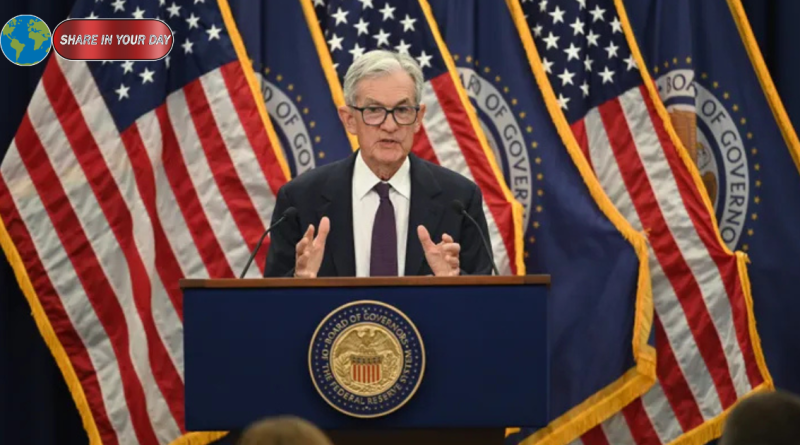
The U.S. Federal Reserve has opted to hold interest rates steady, underscoring growing uncertainty in an economy caught between persistent inflation and a cooling labor market.
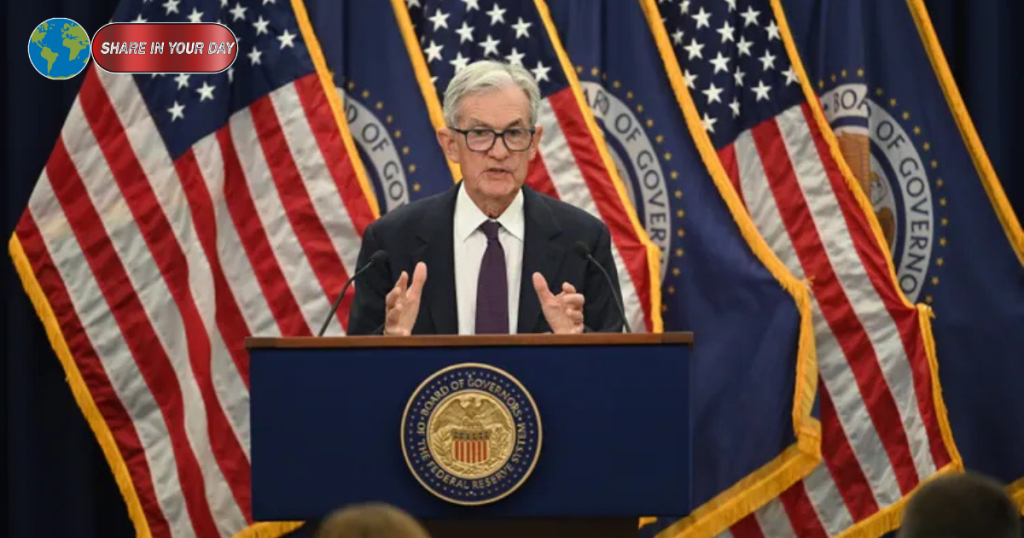
At its March 2026 policy meeting, the central bank kept its benchmark rate unchanged at a range of 3.5% to 3.75%, a level it has maintained since late last year. The decision, widely anticipated by markets, reflects the Fed’s increasingly delicate balancing act as it navigates competing economic risks.
A Policy Caught Between Two Pressures
The Federal Reserve’s mandate—to maintain stable prices while supporting maximum employment—is now being tested from both sides.
Inflation, which had shown signs of easing in previous months, is once again trending higher. Policymakers have revised their 2026 core inflation forecast upward to around 2.7%, signaling that price pressures remain stubbornly above the central bank’s 2% target.
At the same time, cracks are beginning to appear in the labor market. Job growth has slowed significantly, and recent data suggests hiring momentum is weakening—raising concerns that aggressive monetary tightening could further strain employment.
Typically, the Fed would respond decisively in one direction: raising rates to combat inflation or cutting them to support jobs. But the current environment offers no clear path, leaving policymakers in a holding pattern.
A Divided Federal Reserve
The latest decision was not entirely unanimous. While the majority of officials supported keeping rates unchanged, at least one policymaker favored a rate cut—highlighting internal divisions over how best to respond to shifting economic conditions.
This split reflects a broader debate within the Fed. Some officials remain focused on inflation risks, warning that easing policy too soon could reignite price growth. Others are increasingly concerned about the labor market, arguing that delaying rate cuts could deepen an اقتصادی slowdown.
For now, the consensus appears to favor patience.
Global Tensions Add to Economic Uncertainty
Complicating the Fed’s outlook are rising geopolitical risks, particularly tensions in the Middle East that have driven up energy prices.
Higher oil costs are feeding into inflation expectations, making it more difficult for the central bank to justify rate cuts in the near term. At the same time, these external pressures could dampen economic growth, adding another layer of uncertainty to policy decisions.
This combination—slowing growth alongside persistent inflation—has revived concerns about a potential “stagflation-lite” scenario, though officials have stopped short of using that term.
Rate Cuts Still Possible—but Not Guaranteed
Despite the current pause, the Federal Reserve has not ruled out easing policy later this year.
Projections still point to a possible single rate cut in 2026, though expectations have become less certain as inflation risks persist. Market analysts increasingly caution that the next move could even be a rate hike if price pressures accelerate further.
For investors and consumers alike, the message is clear: the path forward for interest rates is no longer predictable.
Political Pressure in the Background
The Fed’s decision also comes amid renewed political scrutiny.
President Donald Trump has publicly called for more aggressive rate cuts, setting up a potential clash with Fed leadership. While the central bank operates independently, such pressure adds complexity to an already challenging policy environment.
Meanwhile, uncertainty over future leadership at the Fed—with a potential transition on the horizon—has added another variable to market expectations.
A Wait-and-See Economy
For now, the Federal Reserve is signaling a cautious approach, choosing to hold rates steady while monitoring incoming data.
The central bank appears to be betting that maintaining current policy will give it time to better assess whether inflation or unemployment poses the greater long-term threat.
But with economic signals pulling in opposite directions, that clarity may not come quickly.
As 2026 unfolds, the Fed’s next moves will likely depend on a fragile balance—one that could shift rapidly as new data emerges, leaving policymakers with little margin for error.