Indonesia Earthquake 7.4 Shocking Tsunami Alert
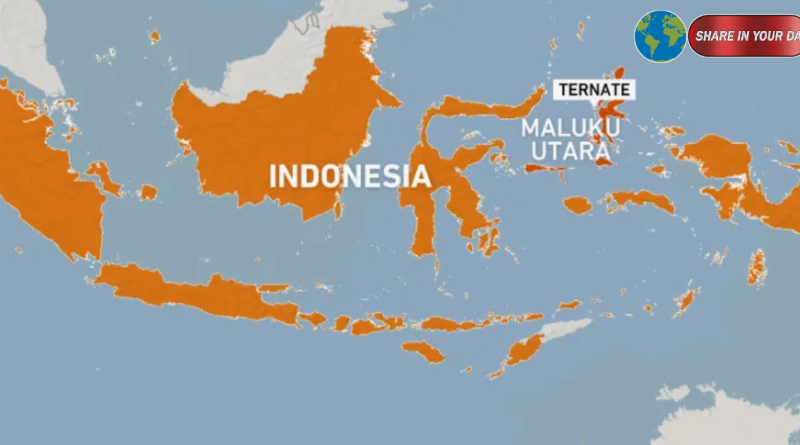
A powerful Indonesia earthquake tsunami scare unfolded after a magnitude 7.4 quake struck off the coast near Ternate, triggering widespread panic and an immediate tsunami warning across parts of Southeast Asia.
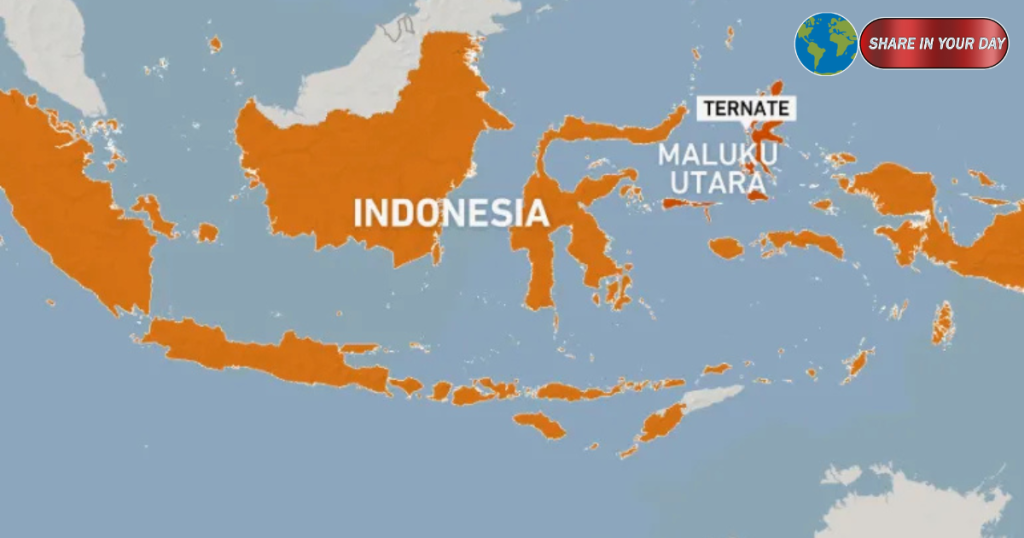
The earthquake, which occurred in the seismically active Molucca Sea, sent shockwaves through nearby islands and prompted emergency responses from Indonesian authorities. While early fears suggested a potentially devastating tsunami, subsequent updates provided cautious relief.
Where and How the Earthquake Struck
According to early seismic data, the earthquake hit approximately 127 kilometers northwest of Ternate in Indonesia’s North Maluku province. It struck at a depth of around 35 kilometers beneath the seabed, making it a relatively shallow quake capable of causing strong surface shaking.
The United States Geological Survey recorded the magnitude at 7.4, categorizing it as a major seismic event.
Shallow earthquakes of this magnitude are often more dangerous because they release energy closer to the Earth’s surface, increasing the likelihood of damage and tsunami formation.
Tsunami Warning Triggers Regional Alarm
Shortly after the quake, Indonesia’s Meteorology, Climatology, and Geophysics Agency (BMKG) issued a tsunami warning. The alert was precautionary but urgent, advising coastal communities to remain vigilant and prepare for possible wave impacts.
The Pacific Tsunami Warning Center also evaluated the situation and warned that tsunami waves could affect nearby regions, including:
- Indonesia
- The Philippines
- Malaysia
- Papua New Guinea
Fortunately, there was no threat to distant regions such as Hawaii or Guam, reducing concerns of a wider Pacific disaster.
Small Tsunami Waves Detected
Within minutes of the earthquake, monitoring stations began detecting unusual sea-level activity. Small tsunami waves were recorded, confirming that the undersea quake had indeed displaced water.
Authorities reported wave heights of:
- Around 20 centimeters in Bitung
- Up to 30 centimeters in West Halmahera
Although these waves were relatively small and did not cause damage, they validated the initial tsunami warning and demonstrated how quickly such events can escalate.
Residents Flee Coastal Areas
As news of the quake spread, residents in affected areas quickly evacuated coastal zones. Panic was especially visible in parts of North Sulawesi and nearby islands, where tremors were strongly felt.
Eyewitnesses described people rushing out of homes, seeking higher ground, and waiting anxiously for updates. Emergency sirens and alerts played a crucial role in mobilizing communities.
Indonesia’s disaster response systems, developed after past tragedies, helped ensure that warnings were delivered rapidly.
No Immediate Damage or Casualties
Despite the intensity of the earthquake, early reports indicate that there were no immediate casualties or major structural damage.
Officials emphasized that assessments were still ongoing, and remote areas might take longer to report conditions. However, the absence of significant destruction is a positive sign.
This outcome highlights improvements in early warning systems and public awareness since previous disasters.
Why Indonesia Faces Frequent Earthquakes
The Indonesia earthquake tsunami event is part of a broader geological reality. Indonesia lies along the Pacific “Ring of Fire,” one of the most active seismic zones on Earth.
This region is characterized by the movement of tectonic plates, which frequently collide, causing earthquakes and volcanic eruptions.
Over the past decades, Indonesia has experienced several major disasters, including:
- The devastating 2004 Indian Ocean tsunami
- The 2018 Sulawesi earthquake and tsunami
- Numerous smaller but frequent seismic events
Because of this, earthquake preparedness is a constant priority for the country.
How Tsunami Warning Systems Work
Modern tsunami warning systems are designed to detect potential threats within minutes of an earthquake.
According to global monitoring standards, seismic data is analyzed immediately to determine whether undersea movement could generate waves.
If conditions suggest a risk, warnings are issued even before waves are confirmed. This precautionary approach can save thousands of lives, even if it occasionally results in false alarms.
In this case, the system worked exactly as intended—triggering alerts quickly and allowing residents to respond.
Regional Impact and International Monitoring
The earthquake did not just affect Indonesia. Neighboring countries also monitored the situation closely.
Authorities in the Philippines and Malaysia issued advisories, while international agencies tracked wave propagation across the region.
Australia’s Bureau of Meteorology confirmed there was no threat to its coastline, helping to limit widespread panic.
This coordinated response demonstrates how global cooperation plays a key role in disaster management.
Experts Weigh In on the Event
Seismologists noted that while the earthquake was powerful, its specific characteristics limited its destructive potential.
Factors that reduced impact included:
- The depth of the quake
- The location in open water
- The relatively small displacement of the seafloor
However, experts warn that similar events can easily become catastrophic under slightly different conditions.
Lessons From the 2026 Ternate Earthquake
The Indonesia earthquake tsunami alert offers several important lessons:
1. Early Warning Saves Lives
The rapid issuance of tsunami warnings allowed people to evacuate before waves arrived.
2. Preparedness Matters
Communities familiar with earthquake protocols responded quickly and effectively.
3. Not All Tsunami Warnings Lead to Disaster
Even small waves can trigger warnings, but caution is always necessary.
What Happens Next?
Authorities have now downgraded the tsunami threat, but monitoring continues. Aftershocks remain possible, and officials urge residents to stay alert.
Emergency teams are conducting inspections of infrastructure, including:
- Ports
- Coastal roads
- Residential areas
Meanwhile, scientists will analyze the earthquake data to better understand the region’s seismic behavior.
Global Attention on Indonesia
The earthquake has once again drawn international attention to Indonesia’s vulnerability to natural disasters.
Organizations and governments worldwide are watching closely, not only for updates but also for insights into how disaster preparedness can be improved globally.
Final Thoughts
The Indonesia earthquake tsunami scare near Ternate serves as a powerful reminder of nature’s unpredictability.
While the situation could have been far worse, the event underscores the importance of vigilance, preparedness, and rapid response systems.
For now, Indonesia has avoided a major catastrophe—but the region remains on alert.
As seismic activity continues to shape the landscape of Southeast Asia, the world will be watching closely for what comes next.