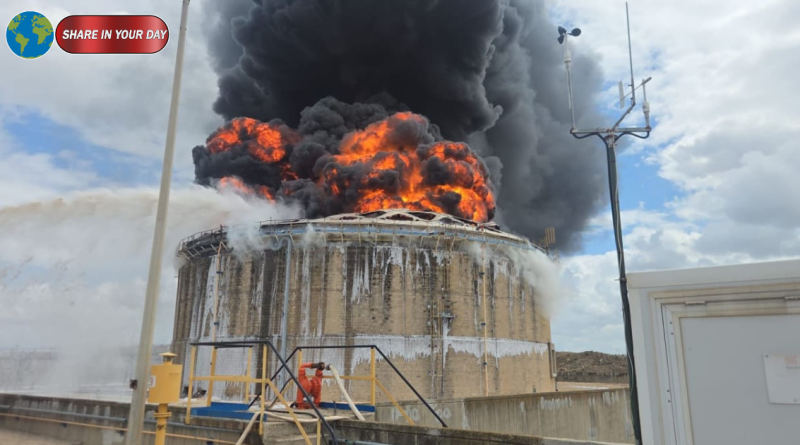
Iran Israel Energy Targets Revealed: 5 Shocking Risks
The revelation of Iran Israel energy targets has triggered fresh concerns about a major escalation in the already volatile Middle East conflict. According to a recent report, Russian intelligence has allegedly provided Iran with a detailed list of critical Israeli energy infrastructure, raising fears of precision attacks that could cripple the country’s power grid.
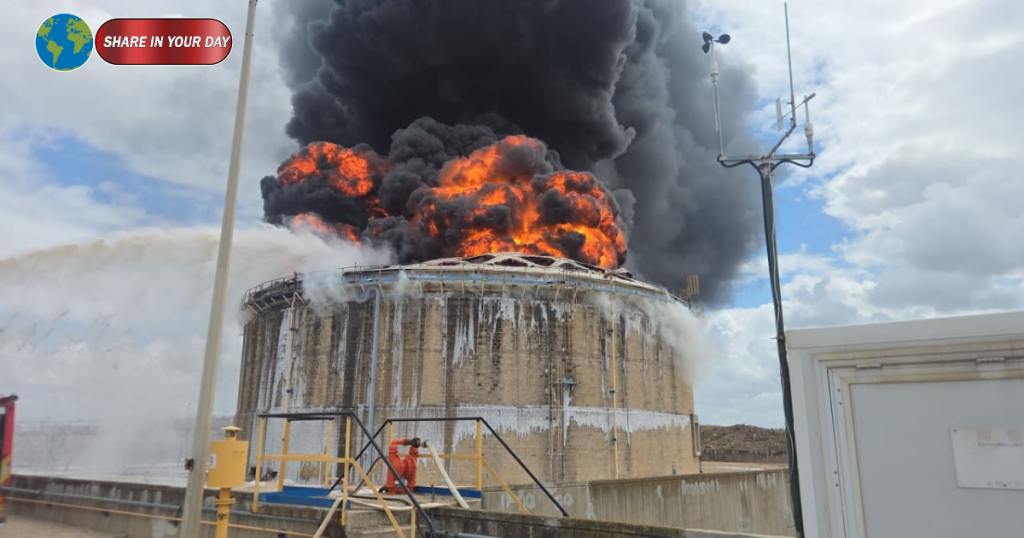
This development marks a significant turning point in regional geopolitics, highlighting deeper cooperation between Moscow and Tehran while increasing the stakes for Israel and its allies.
Russia’s Alleged Role in Sharing Intelligence
At the center of the controversy is the claim that Russia supplied Iran with sensitive intelligence identifying 55 critical Israeli energy sites.
These targets reportedly include power plants and infrastructure that are essential to Israel’s national electricity network. The intelligence is said to be highly detailed, potentially enabling Iran to carry out precise missile strikes.
This move, if confirmed, would represent a dramatic escalation in Russia’s involvement in Middle Eastern conflicts, expanding its influence beyond Ukraine and into direct strategic support for Iran.
Breakdown of the Iran Israel Energy Targets
The reported list of Iran Israel energy targets is divided into three strategic categories based on importance:
1. Critical Production Facilities
These are the most vital energy sites—facilities whose destruction could severely disrupt Israel’s entire electricity supply.
One example mentioned is the Orot Rabin power station, one of Israel’s largest electricity-producing facilities.
Damage to such infrastructure could lead to nationwide blackouts, affecting millions of civilians and critical services.
2. Urban and Industrial Energy Hubs
The second category includes major energy distribution centers located in densely populated areas.
These hubs power cities, industries, and transportation systems. Attacks on them could create widespread disruption, economic damage, and chaos in urban life.
3. Strategic Backup and Support Systems
The third category focuses on backup systems and secondary infrastructure.
While less critical individually, coordinated attacks on these sites could weaken Israel’s ability to recover quickly from primary infrastructure damage.
Why These Targets Matter
The exposure of Iran Israel energy targets highlights a growing shift toward infrastructure warfare.
Modern conflicts increasingly target energy systems because they are:
- Essential for civilian life
- Critical for military operations
- Highly vulnerable to precision strikes
By focusing on energy infrastructure, an adversary can cause maximum disruption without necessarily engaging in large-scale ground warfare.
Connection to the Ongoing 2026 Conflict
This revelation comes amid the broader 2026 Iran war, a rapidly escalating conflict involving Israel, Iran, and global powers.
The war began with coordinated strikes by the United States and Israel on Iranian targets, followed by retaliatory missile and drone attacks from Iran.
Since then, the conflict has expanded across multiple fronts, including:
- Attacks on military bases
- Strikes on infrastructure
- Regional proxy involvement
The addition of detailed energy target intelligence significantly raises the potential for further escalation.
Strategic Implications for Israel
For Israel, the identification of these targets presents both a threat and a challenge.
Increased Vulnerability
Energy infrastructure is difficult to fully defend due to its size and distribution. Even with advanced missile defense systems, protecting dozens of critical sites simultaneously is a complex task.
Pressure on Defense Systems
Israel’s air defense systems, such as Iron Dome and David’s Sling, may face increased strain if multiple coordinated attacks occur.
Civilian Impact
Perhaps most concerning is the potential effect on civilians. Large-scale power outages could disrupt hospitals, water systems, and emergency services.
What This Means for Iran
For Iran, access to such intelligence could significantly enhance its strategic capabilities.
Precision Strike Potential
Detailed targeting data allows for more accurate missile strikes, increasing the likelihood of successful attacks.
Deterrence Strategy
Possessing the ability to threaten critical infrastructure may serve as a deterrent against further attacks from Israel or its allies.
Escalation Risk
However, such actions could also provoke stronger military responses, potentially leading to a broader regional war.
Russia’s Expanding Influence
The alleged sharing of intelligence underscores Russia’s evolving role in global conflicts.
Traditionally focused on Eastern Europe and Syria, Russia now appears to be deepening its involvement in the Iran-Israel conflict.
This raises several concerns:
- Expansion of geopolitical alliances
- Increased complexity in conflict dynamics
- Greater risk of confrontation between global powers
If Russia is actively supporting Iran with intelligence, it could reshape the balance of power in the region.
Global Reactions and Concerns
International reactions to the report have been cautious but concerned.
Many analysts warn that targeting energy infrastructure could:
- Violate international norms
- Increase civilian suffering
- Trigger retaliatory strikes
There are also fears that such actions could disrupt global energy markets, especially if the conflict spreads to other countries in the region.
5 Shocking Risks of the Iran Israel Energy Targets
1. Nationwide Blackouts in Israel
A coordinated attack on key energy facilities could result in widespread power outages affecting millions.
2. Escalation Into Regional War
Strikes on critical infrastructure could trigger broader military responses involving neighboring countries.
3. Civilian Infrastructure Collapse
Hospitals, water systems, and communication networks could be severely impacted.
4. Global Energy Market Disruption
Any instability in the region could affect oil prices and global energy supply chains.
5. Direct Superpower Involvement
The involvement of Russia increases the risk of a larger geopolitical confrontation involving multiple global powers.
The Future of the Conflict
The revelation of Iran Israel energy targets adds a dangerous new dimension to the ongoing conflict.
As both sides continue to escalate, the focus on infrastructure signals a shift toward more strategic and potentially devastating forms of warfare.
Diplomatic efforts may become increasingly urgent to prevent further escalation.
Conclusion
The exposure of Iran Israel energy targets is more than just an intelligence leak—it is a warning sign of how modern warfare is evolving.
With Russia allegedly providing critical data to Iran, the stakes have risen dramatically. Israel now faces the challenge of defending its most vital infrastructure, while Iran gains a potential strategic advantage.
In a region already on edge, this development could mark the beginning of a new and more dangerous phase of conflict.